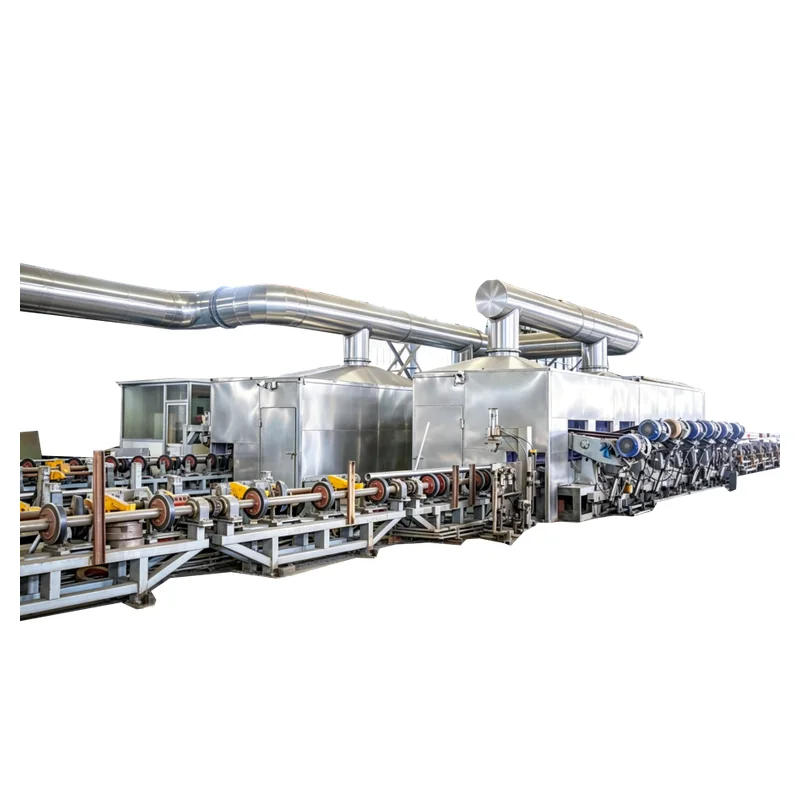
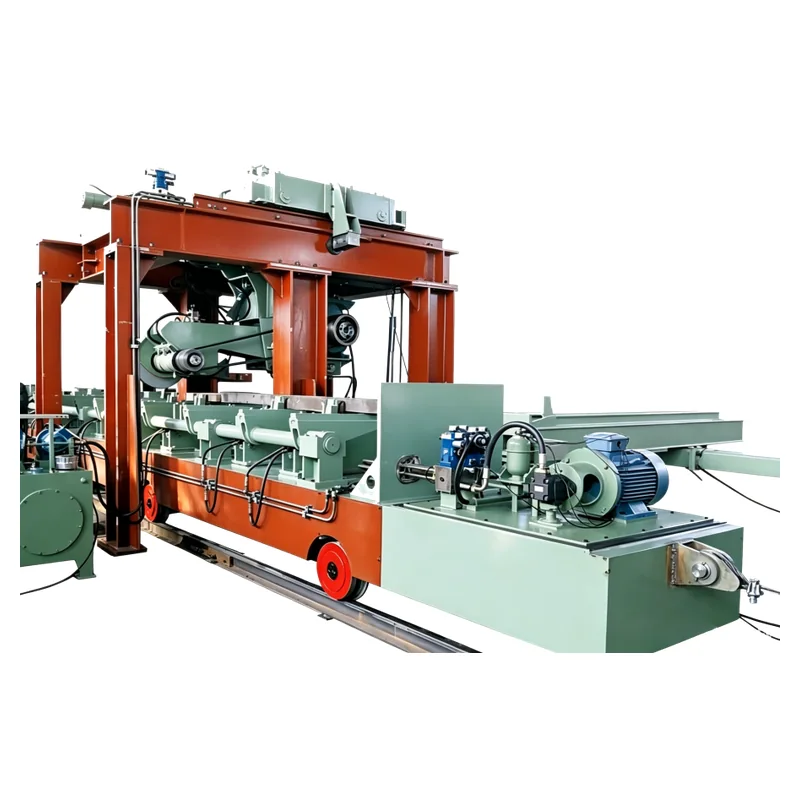
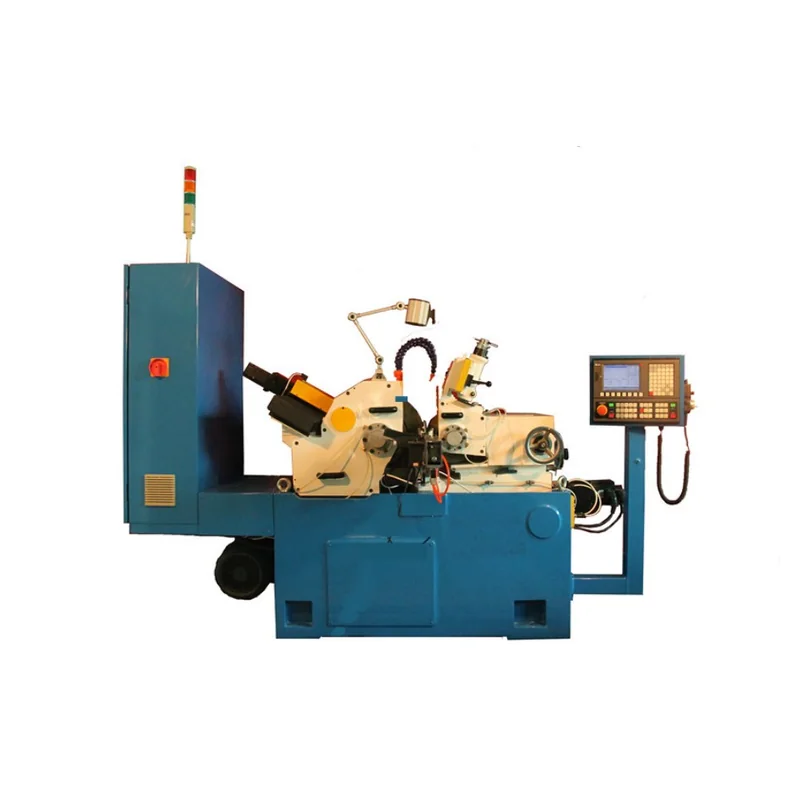
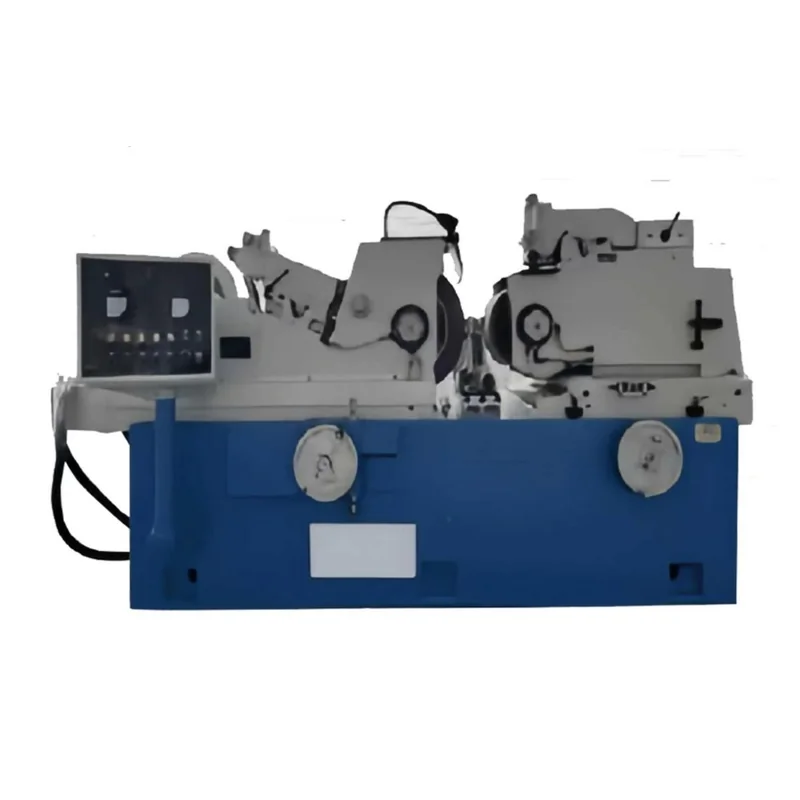
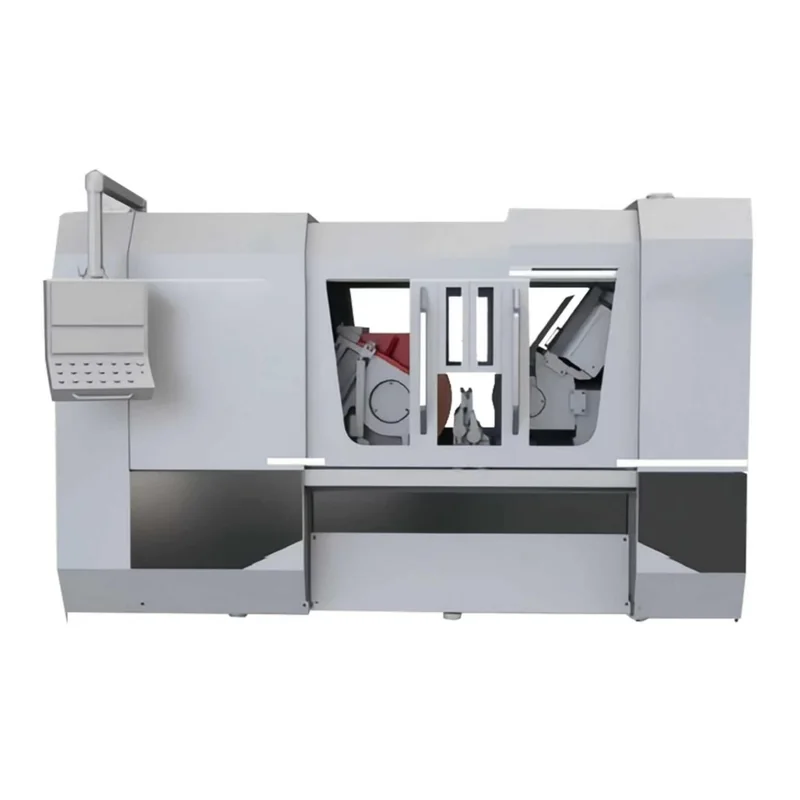
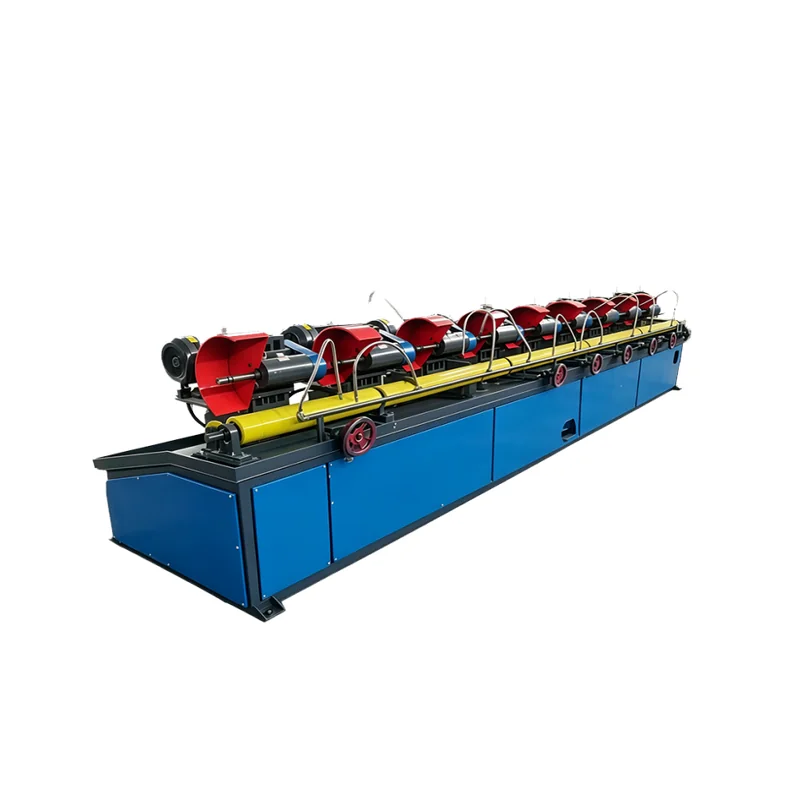
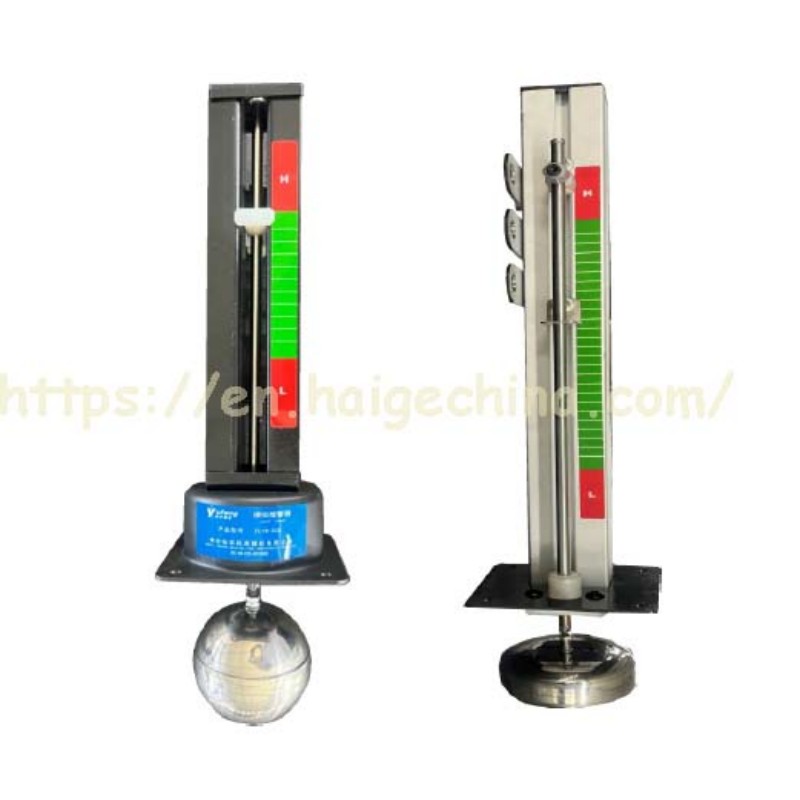
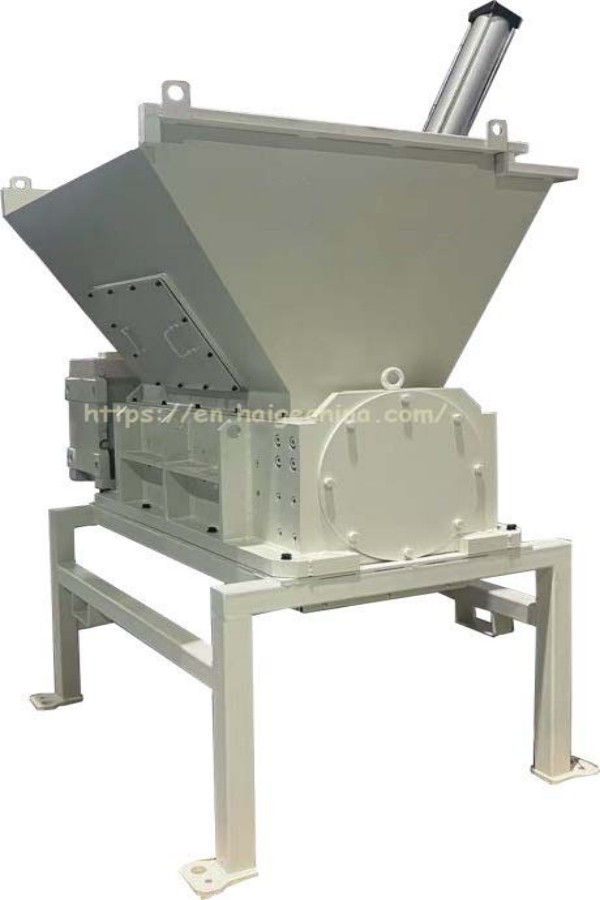
If you are sourcing the grinding machine, start by matching the machine type and configuration to your production task, workpiece requirements, and expected order quantity. A useful RFQ should describe the application, destination market, technical needs, and approval process.
For export order preparation, ask about available specifications, OEM or ODM options, packaging requirements, sample confirmation, lead time, and after-sales support. Clear information helps suppliers respond with a more relevant quotation.
Before sending an inquiry, define how the grinding machine will be used in your factory or project. Include the workpiece material, processing purpose, required accuracy level if known, operating environment, and any installation limits that may affect model selection.
For bulk order preparation, provide target quantity, delivery destination, expected shipping method, packaging preferences, and required documentation. If your team needs CE-related information or other compliance details, ask the supplier to confirm what can be provided for the quoted model.
When comparing quotations, do not look only at unit price. Review configuration, optional accessories, spare parts, operating guidance, warranty terms, sample availability, and after-sales communication. These details affect purchasing risk, especially for export orders.
If you are comparing related products, ask the supplier to explain which model is suitable for your application and why. Share photos, drawings, sample workpieces, or current process issues so the recommendation is based on practical use rather than a general catalog list.