How to Choose a Bar Peeling Machine for Round Bar Surface Defect Removal
How to Choose a Bar Peeling Machine for Round Bar Surface Defect Removal
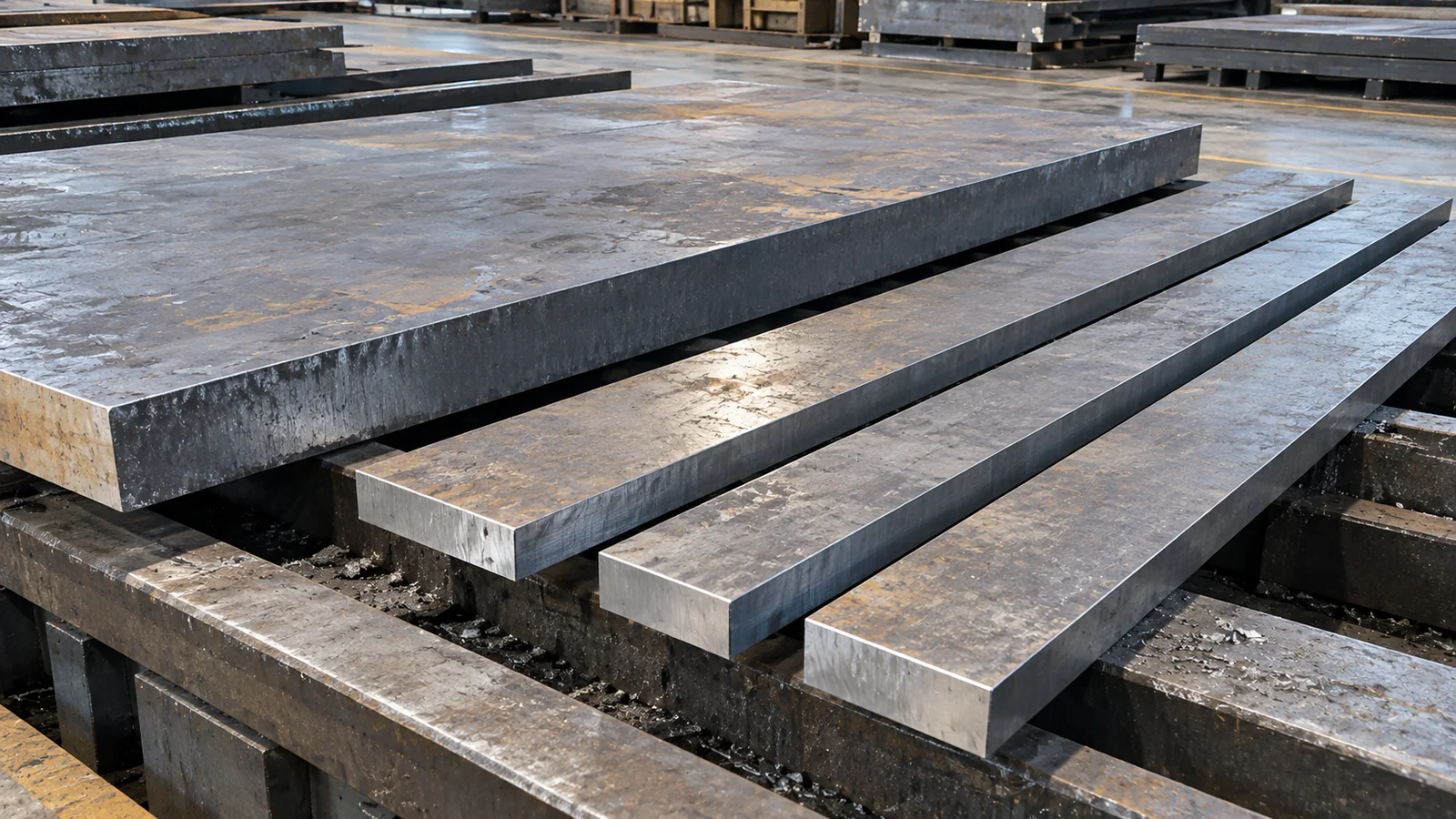
For round bar producers, steel mills and machining material suppliers, a bar peeling machine is usually purchased to solve a very specific production problem: the incoming bar surface cannot meet the next process requirement. Hot-rolled bars may carry oxide scale. Forged or rolled bars may have shallow cracks, decarburized layers, rust or uneven outer surfaces. If these defects are handled only by manual grinding or repeated conventional turning, the process can become slow, inconsistent and difficult to scale.
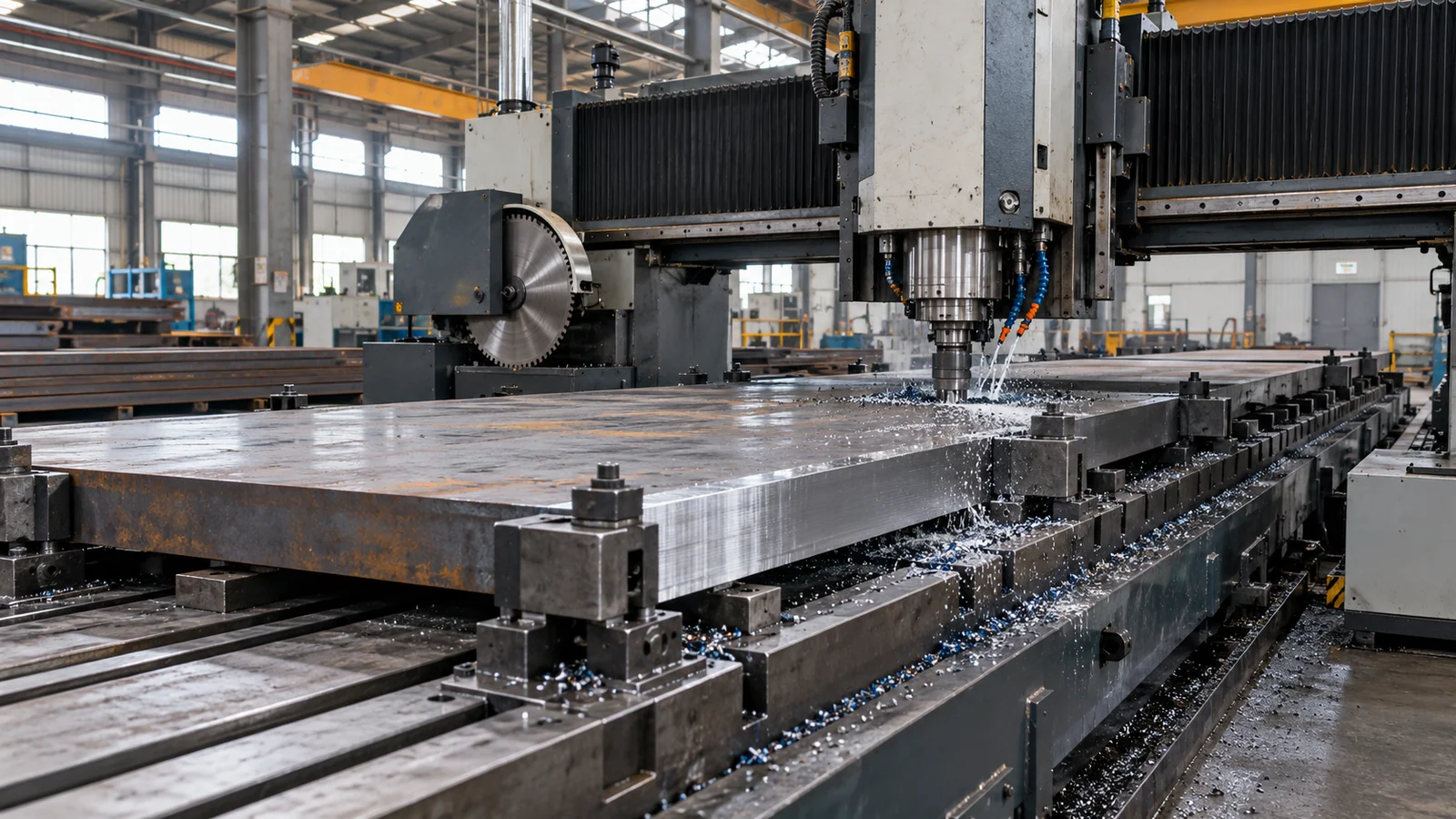
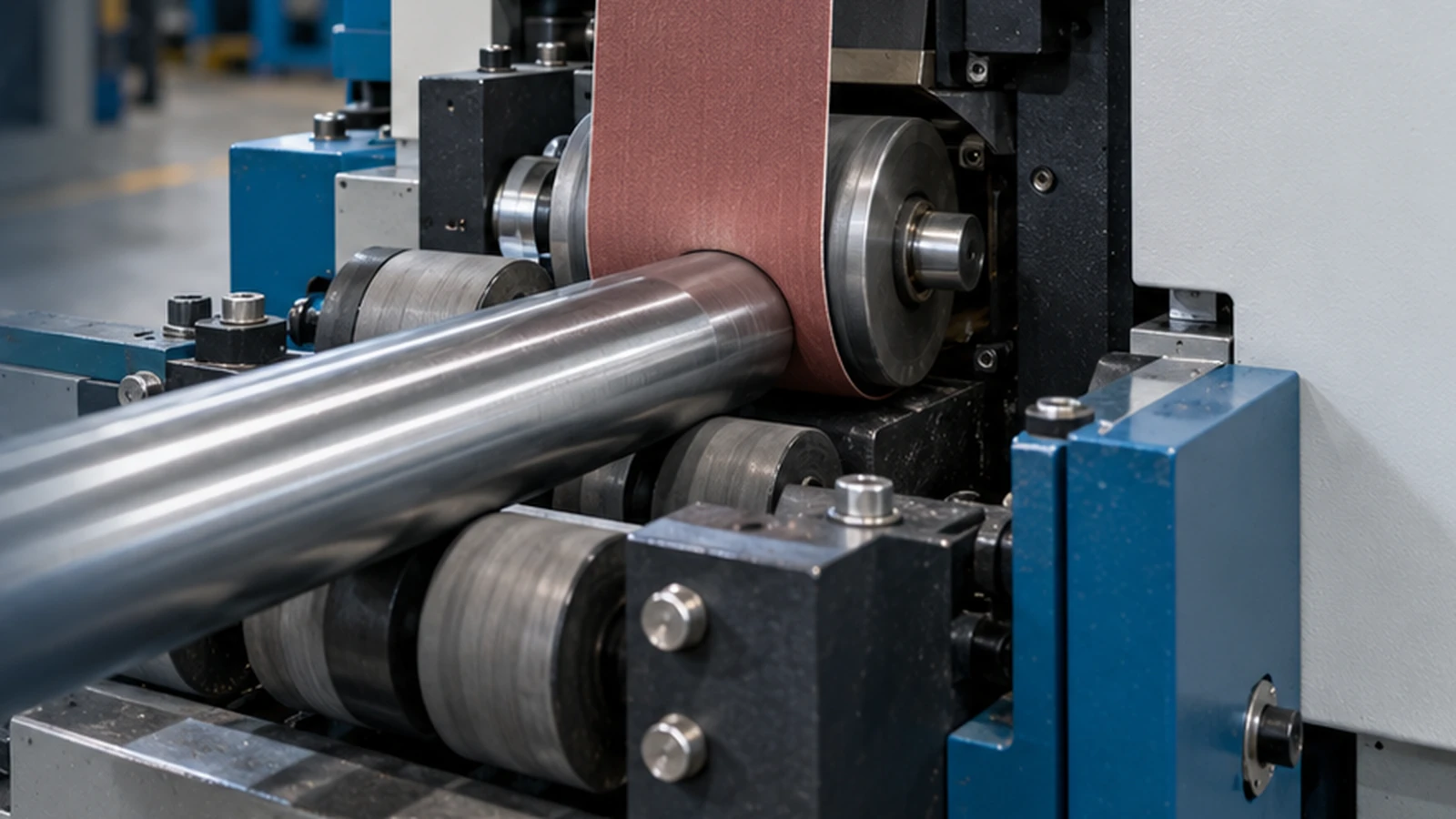
A bar peeling machine, also called a centerless lathe, removes the outer layer of a round bar in a controlled and continuous way. When it is selected correctly, it helps the workshop produce cleaner bright bars with more stable dimensions and better downstream machining performance. When it is selected only by price or by a single diameter value, the buyer may later find that feeding, tooling, straightness control or line connection does not match real production.
Start with the material and diameter range
The first question is not simply what model looks large enough. A buyer should confirm the exact material types, minimum and maximum diameter, bar length range and typical batch size. Haige equipment is used for steel, stainless steel, copper, titanium, magnesium, aluminum and other metal materials, with typical processing applications from 5mm to 700mm. Different materials place different demands on machine rigidity, feeding stability, tool arrangement and process speed.
For example, a special steel bar with higher hardness and deeper surface defects should not be evaluated in the same way as a softer non-ferrous bar that only needs light surface improvement. If the line will process several material groups, the buyer should tell the supplier which material is the main production load and which materials are occasional jobs. This helps the engineering team recommend a configuration that fits the real business rather than a theoretical catalogue range.
Confirm the defect type and removal allowance
Bar peeling is most valuable when the workshop needs efficient removal of surface cracks, oxide layers, decarburized layers or uneven outer surfaces. Before ordering, the buyer should review incoming material condition and define the expected removal allowance. If defect depth changes greatly from batch to batch, the machine should be selected with enough practical flexibility for the required cutting range.
It is also important to separate appearance requirements from functional requirements. Some bars need a clean and bright surface for visual inspection. Others require stable dimensions and surface condition for precision machining, cold drawing, heat treatment or final component production. A clear finished requirement allows the supplier to decide whether peeling alone is enough or whether straightening, burnishing, grinding or polishing should be added after peeling.
Review straightness before and after peeling
Many buyers focus on the peeling head but forget the condition of the bar entering the machine. If the bar is badly bent, feeding accuracy and processing stability can be affected. In some projects, pre-straightening before peeling is necessary. After peeling, precision straightening and burnishing may be required to improve final straightness and surface consistency.
This is why bar peeling should be planned as part of a process line instead of an isolated machine. The buyer should review the original straightness, target straightness, finished bar application and handling method. A line that includes loading, pre-straightening, centerless turning, precision straightening, cutting and unloading can often deliver more stable output than a single machine added into an unclear workshop flow.
Think about production rhythm and automation
A machine that can process the correct diameter is not automatically the correct machine for the factory. The buyer should also confirm output target, number of shifts, operator arrangement, workshop space, power supply, chip handling and material transfer direction. These practical details affect whether the line runs smoothly after installation.
For continuous bright bar production, auxiliary equipment can matter as much as the main bar peeling machine. Loading racks, unloading systems, transfer devices, saws, chamfering machines and inspection points help connect the process. If the buyer plans to expand production later, it is better to discuss future automation at the quotation stage so the layout does not block later upgrades.
Questions to prepare before requesting a quote
A useful inquiry should include material grade or material group, bar diameter range, length range, current surface defects, expected removal allowance, required finished surface, straightness target, production capacity target, available workshop space and whether the project needs a complete line. Photos or videos of incoming material are also helpful when defect condition is difficult to describe.
This information allows the supplier to review the application more like an engineering project. It also reduces the risk of receiving a simple machine quotation that does not solve the production problem.
How Haige supports bar peeling projects
Yantai Haige Machine Tools Co., Ltd. focuses on metal finishing equipment including bar peeling machines, centerless lathes, straightening and burnishing machines, drawing machines, abrasive belt grinding and polishing machines, electroplating equipment and auxiliary production line equipment. The company has two manufacturing facilities, a 20,000 square meter factory area, 140 employees and 16 dedicated R&D professionals. Its equipment is used for bright bar, tube and wire rod finishing projects in domestic and overseas markets.
For export buyers, machine selection is only one part of the project. Haige can support equipment selection, line configuration, manufacturing, inspection, export packaging, installation guidance, commissioning support, operator training and long-term technical service. If you are planning a round bar surface defect removal project, prepare your material, diameter range, defect condition and target finished result. Haige engineers can review the application and recommend a suitable bar peeling machine or complete bright bar finishing line.