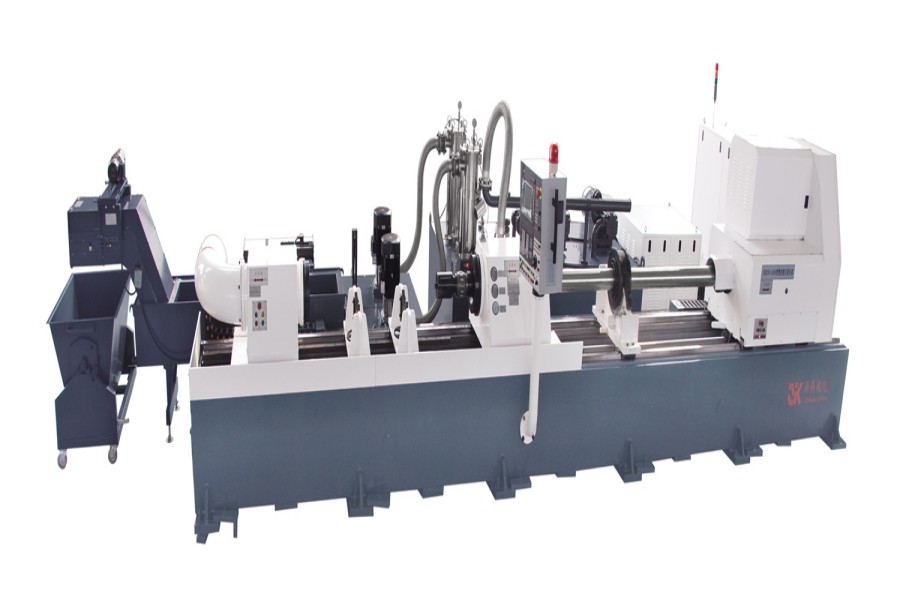
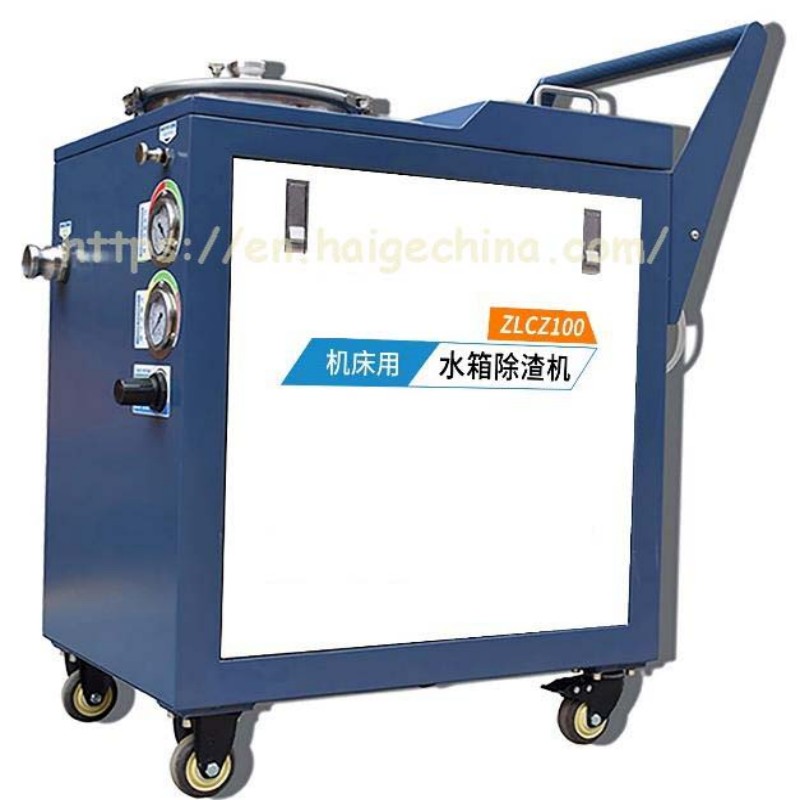
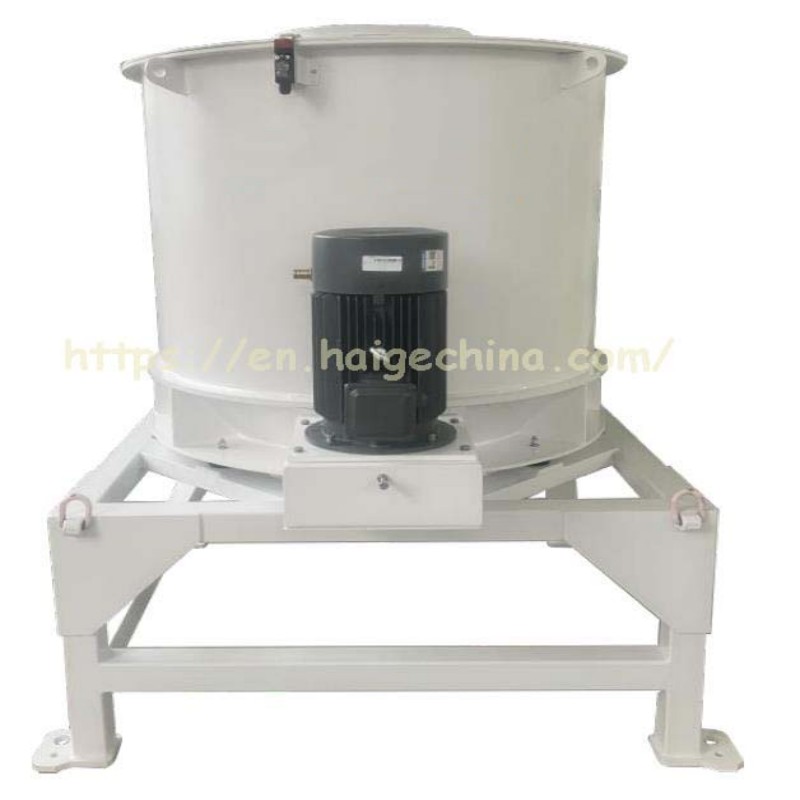
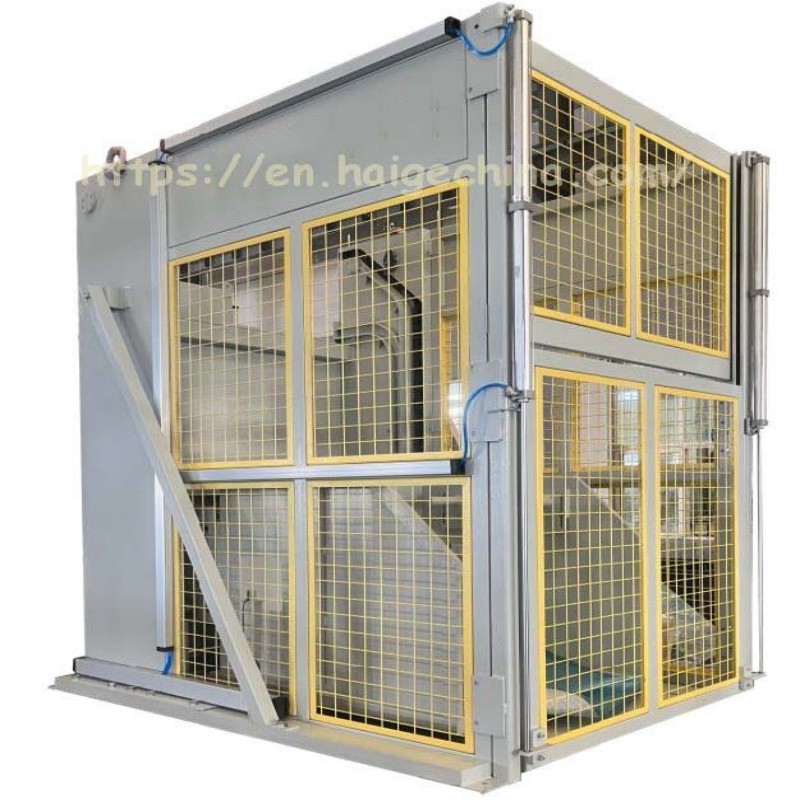
If you are sourcing a CNC grinding machine, start by matching the machine type to the workpiece, grinding process, accuracy needs, production volume, and available workshop conditions. Then confirm whether the supplier can support OEM or ODM requirements, sample review, technical communication, and export order documentation.
This page is designed to turn a broad supplier search into a practical shortlist. It helps procurement managers compare application fit, customization options, quality check points, and after-sales support questions before sending a detailed inquiry.
Begin with the application. Share the workpiece material, size range, target surface requirement, grinding method, and expected output. For OEM project planning, also include drawings, photos, process notes, or reference samples so the supplier can judge whether a standard model or customized configuration is more suitable.
Next, confirm the customization scope. Ask which items can be adjusted, such as control system, fixture design, grinding wheel specification, automation interface, safety cover, coolant system, or branding details. If CE-related documentation or other market documents are needed, mention this early so the supplier can respond clearly.
Sample approval should be treated as a decision checkpoint, not only a formality. Discuss how samples or trial grinding results will be reviewed, what inspection data can be shared, and how changes will be handled before bulk order confirmation. This helps reduce misunderstandings in later production.
When comparing supplier replies, look beyond the first price. Check whether the response addresses your technical details, delivery plan, packaging needs, spare parts, training, and after-sales support. A useful RFQ should include quantity range, destination, required timeline, acceptance criteria, and any custom options needed for the project.