Why Centerless Lathes Matter for Precision Bar Surface Finishing
Why Centerless Lathes Matter for Precision Bar Surface Finishing
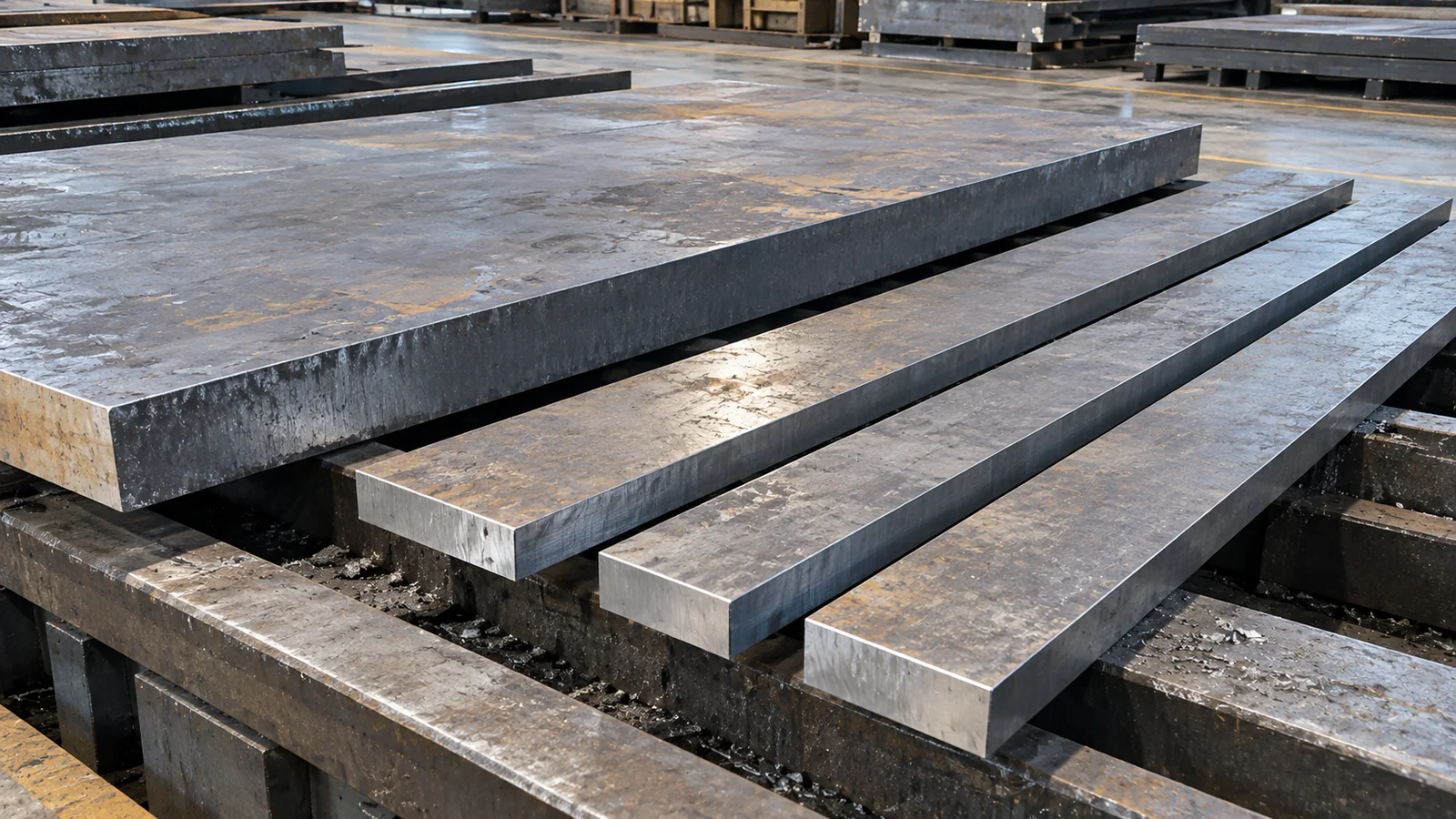
In metal bar production, surface quality is not only a visual requirement. For many steel, copper, titanium, magnesium and aluminum materials, surface cracks, oxide layers and decarburized layers can affect downstream machining, drawing, polishing, heat treatment and final product stability. A centerless lathe is designed to remove these surface defects efficiently while keeping the bar supported during continuous processing.
What a centerless lathe does in bar finishing
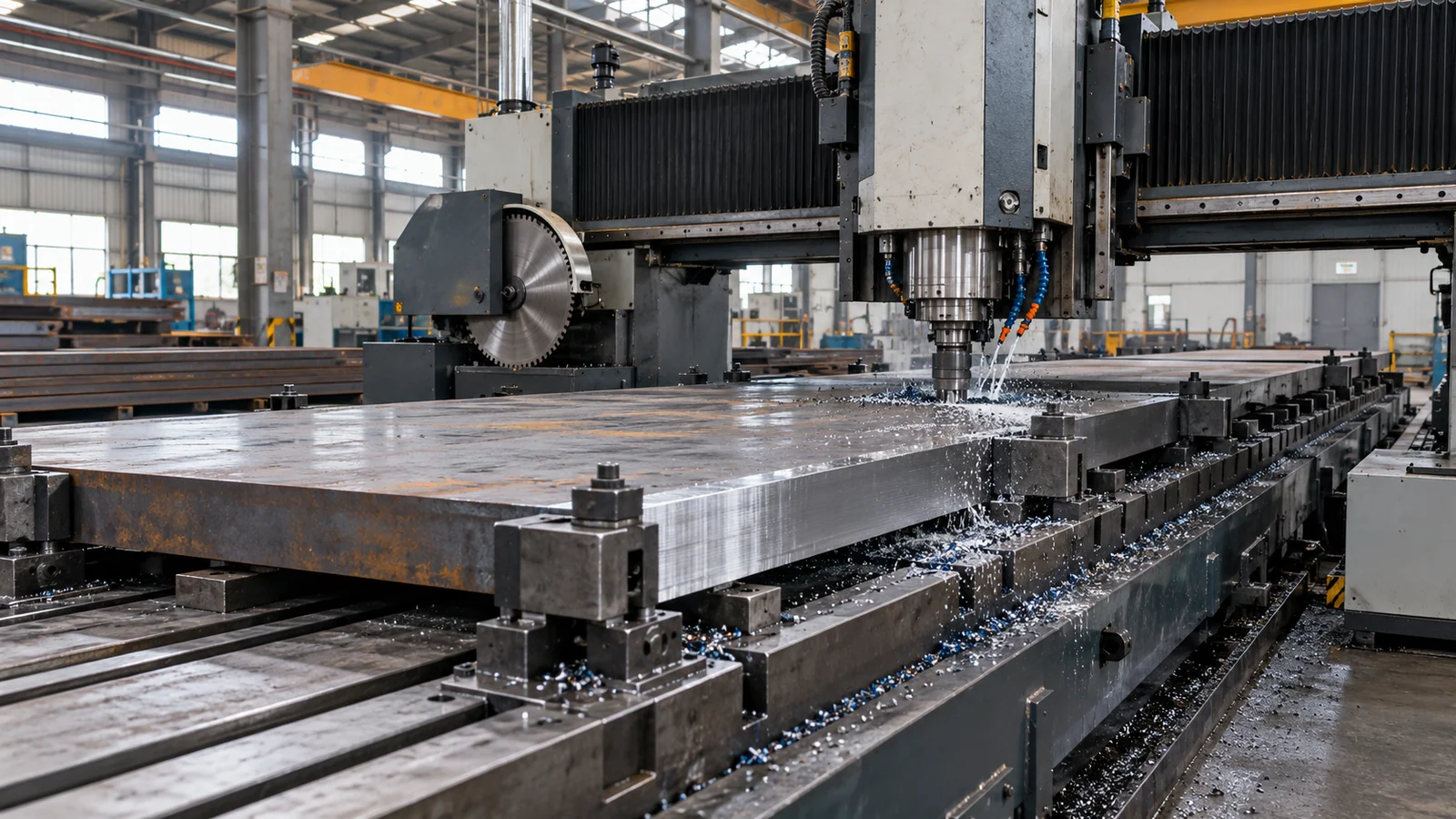
A centerless lathe, also commonly connected with bar peeling applications, processes round bars without the same clamping logic used in ordinary turning. The bar is supported and guided through the machine while cutting tools remove a controlled layer from the surface. This makes it suitable for bright bar preparation, high-volume surface defect removal and production lines where consistent diameter and surface condition matter.
For manufacturers, the main value is process stability. When the oxide layer, shallow surface cracks or decarburized layer are removed before the next operation, the material can enter straightening, burnishing, polishing or drawing with fewer hidden surface risks.
Where centerless lathes are used in real production
In many metal processing plants, a centerless lathe is selected when the buyer needs a stable way to prepare round bars before precision finishing. The machine can be used for carbon steel, alloy steel, stainless steel, copper alloy, aluminum alloy, titanium alloy and other materials when the production requirement matches the machine configuration. The goal is not only to make the bar look cleaner. The deeper purpose is to remove unstable surface layers before they become quality problems in a later process.
For example, a steel mill may need to remove oxide scale and shallow cracks before straightening. A bright bar producer may need a more consistent surface before burnishing or polishing. A machining supplier may need better diameter consistency before CNC turning, grinding or drawing. In these situations, the centerless lathe becomes a practical first step in a controlled bar finishing route.
Key points buyers should evaluate
– Material range: Different metals require different cutting force, tool setting and line speed considerations.
– Bar diameter range: Haige’s metal finishing solutions cover bars, tubes and wire rods from 5 mm to 700 mm depending on project requirements.
– Surface defect depth: The peeling allowance should match the defect condition and target product grade.
– Line integration: A centerless lathe often works better as part of a complete finishing line with straightening, polishing and auxiliary equipment.
– Service support: Training, installation guidance and commissioning support are important for overseas projects.
How a complete finishing line improves consistency
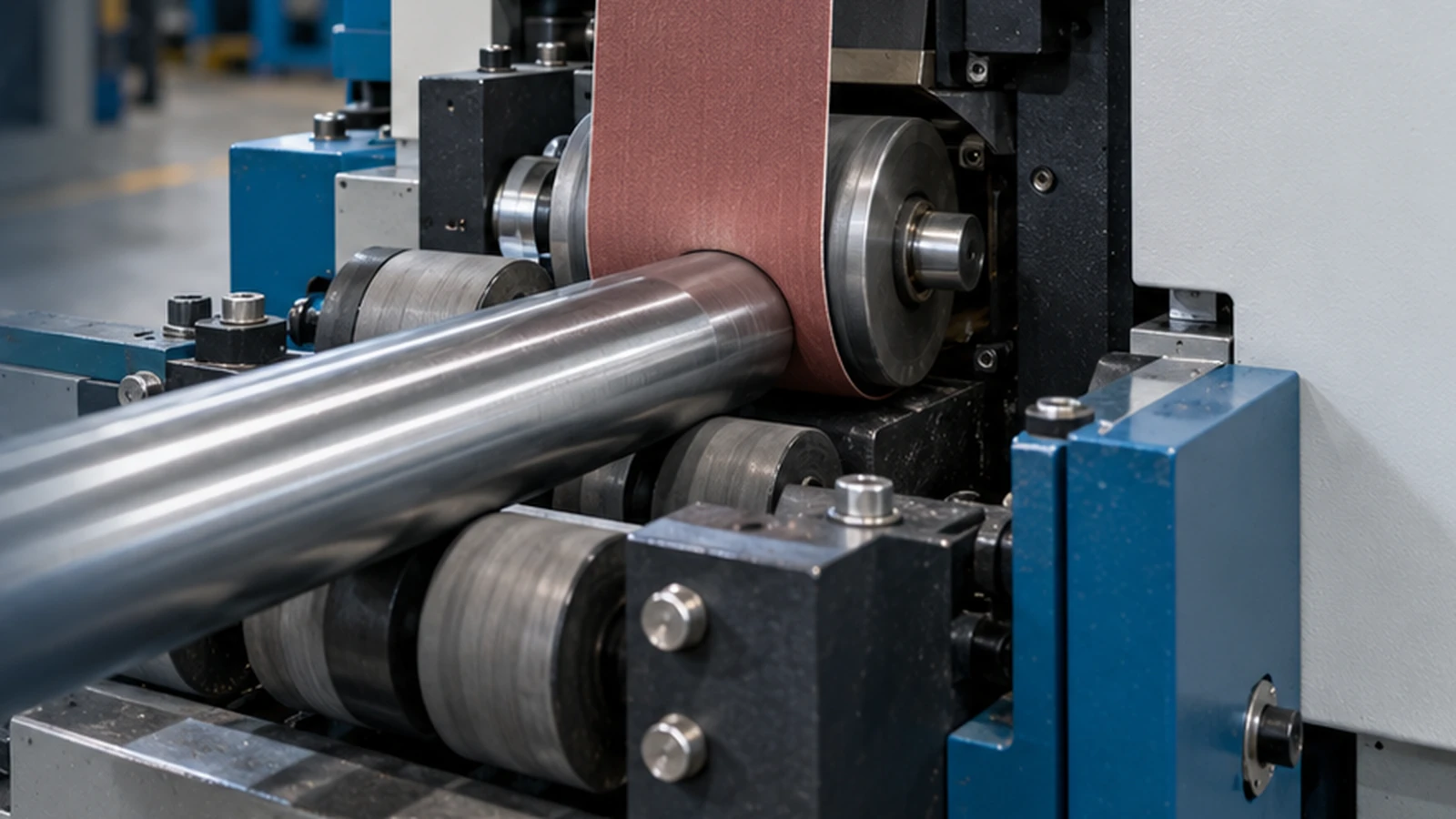
Although a single machine can solve a specific production problem, many export buyers prefer to discuss the complete flow from raw bar input to finished bar output. A centerless lathe can be combined with straightening equipment, abrasive belt polishing equipment, burnishing equipment, drawing equipment and automatic loading or unloading units. This makes the production route more continuous and reduces repeated manual handling.
For factories that process multiple materials or several bar sizes, line planning is especially important. The equipment layout should leave enough space for bar feeding, tool maintenance, inspection and packaging. Operators also need clear access to adjustment points, because stable production depends on both machine structure and daily operating discipline.
How Haige supports this type of project
Yantai Haige Machine Tools Co., Ltd. focuses on the R&D, production and sales of steel finishing processing equipment. Since 1999, Haige has developed equipment for bar peeling, centerless turning, straightening, polishing, drawing and complete bright bar finishing lines. With manufacturing facilities, a technical R&D team and practical export experience, Haige can help customers evaluate whether a single centerless lathe or a complete production line is more suitable.
For project communication, customers can provide bar material, diameter range, original surface condition, required finished tolerance, production capacity and downstream process. Based on this information, Haige can discuss a more practical equipment configuration for long-term production, not only a simple equipment quotation.