How Abrasive Belt Grinding Supports Bright Bar Surface Quality
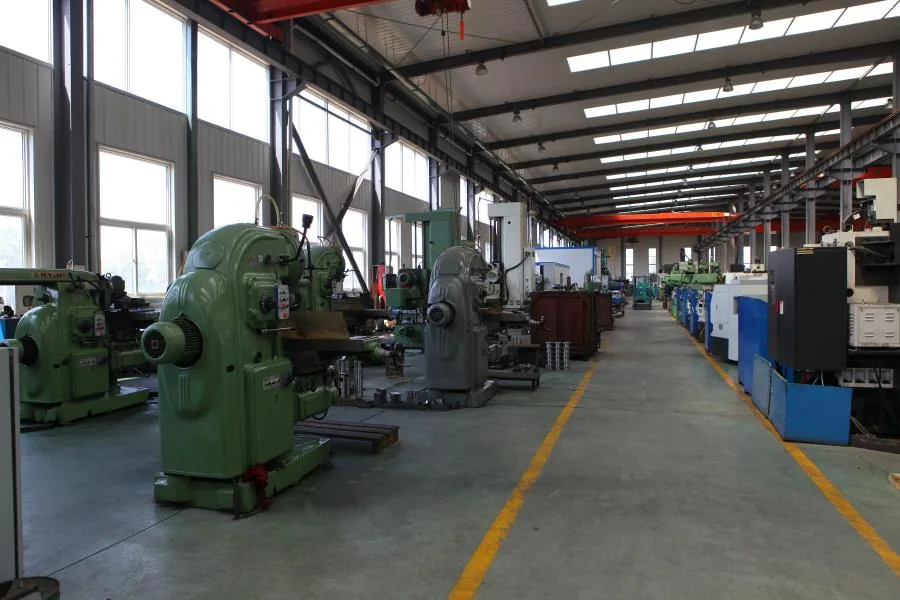
Bright bar surface quality depends on more than one machine. In many production lines, abrasive belt grinding and polishing equipment is used after peeling, turning or straightening to improve surface appearance, remove fine marks and prepare the material for higher-value applications. A well-configured grinding process can make the final product more consistent and easier to inspect.
Where abrasive belt grinding fits in the line
After surface defects are removed by a centerless lathe or bar peeling machine, the material may still require further finishing. Abrasive belt grinding helps refine the surface, reduce visible tool marks and improve the uniformity of bright bar products. For some customers, grinding and polishing are also important before coating, drawing, precision machining or final delivery.
The process should be matched with the previous and next steps. If the bar is not properly supported, if feed speed is unstable, or if the abrasive belt selection does not fit the material, the surface result may not meet expectations. This is why equipment selection should consider the complete line rather than only the grinding station.
Technical details that influence surface results
– Abrasive belt specification: Different grit and belt materials are used for rough grinding, fine finishing and polishing.
– Material hardness: Steel, copper, titanium and aluminum materials require different finishing strategies.
– Bar straightness: Straight bars help maintain stable contact and reduce uneven grinding marks.
– Feeding stability: Smooth feeding helps control surface consistency along the full bar length.
– Line matching: Grinding should be coordinated with peeling, straightening, burnishing and inspection.
What affects the final grinding result
The final surface depends on material hardness, original bar condition, removal allowance, contact pressure, belt grit, feeding speed and operator adjustment. If upstream peeling leaves heavy marks, grinding alone may not be efficient. If the bar is bent, abrasive contact becomes uneven. If the abrasive belt is too coarse, the surface may need extra polishing. This is why a practical grinding proposal should include the full production route, not only the grinding machine model.
For stainless steel, alloy steel, copper alloy or aluminum alloy bars, process settings can be different. A buyer should define whether the target is defect removal, fine surface preparation, mirror-like polishing support, or stable bright bar appearance for final delivery. The clearer the target, the easier it is to configure the correct grinding and polishing equipment.
Combining grinding with polishing and burnishing
Abrasive belt grinding is often only one section of a larger finishing route. After grinding, the bar may enter polishing or burnishing equipment to improve brightness and surface feel. If the project requires a bright bar with stable appearance, the sequence from peeling to straightening, grinding, polishing and final inspection should be designed as one production system.
Why manufacturers choose complete finishing support
Yantai Haige Machine Tools Co., Ltd. develops and manufactures specialized equipment for metal finishing, including abrasive belt grinding and polishing machines, bar peeling machines, centerless lathes and straightening equipment. With experience in complete bright bar finishing lines, Haige can help customers evaluate how each process affects surface quality and production efficiency.
For a new project, useful information includes material type, bar diameter, current surface condition, required finish, output target and available workshop layout. These details help determine whether the project needs a single grinding machine, a polishing line or a complete integrated finishing solution.