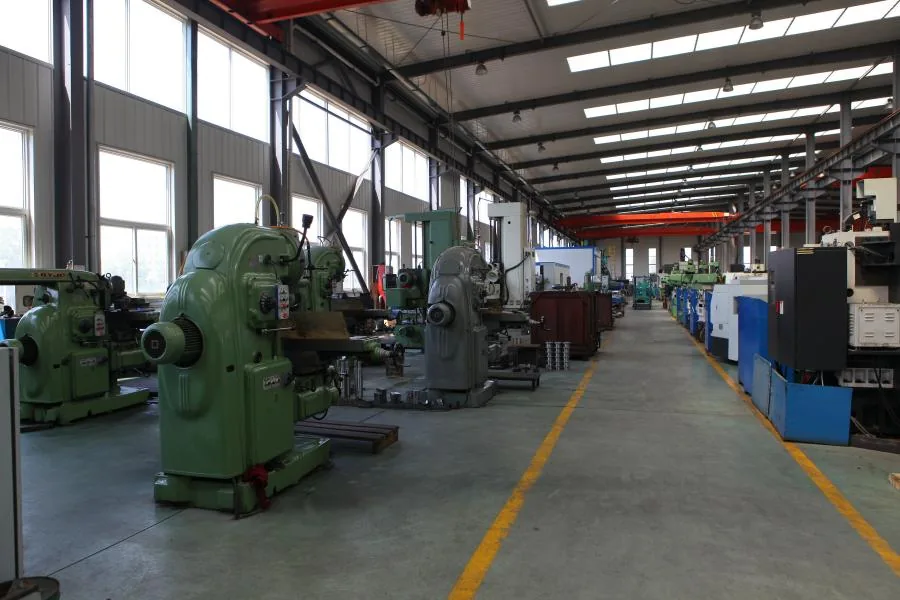
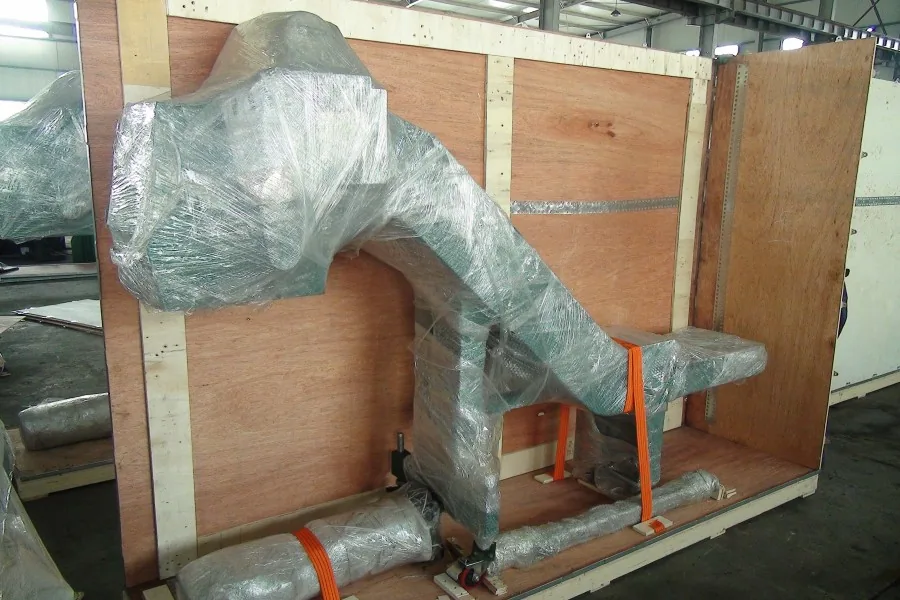
If you are searching for polished machined parts price, start by sharing the part application, drawing or sample reference, material request, surface finish, quantity range, and delivery destination. These details help a supplier understand whether standard machining, OEM, or ODM support is more suitable.
For B2B sourcing, the best next step is not only asking for a unit price. Prepare questions about tolerance, polishing expectations, inspection method, packaging, export documents, sample confirmation, and after-sales communication.
Begin your RFQ with the working environment and final use of the machined parts. Explain whether the parts are for assembly, replacement, equipment production, or a customized project, because application matching can affect material, finish, tolerance, and packaging choices.
Compare related products by drawing details, dimensions, surface finish, machining process, and required documentation. If you are unsure which product type fits, send photos, sketches, or sample information so the supplier can identify the closest match before pricing.
For sample confirmation, ask what information is needed before production, how sample differences will be reviewed, and which quality checks can be discussed before shipment. Clear sample notes reduce misunderstanding when moving from trial order to export order.
When reviewing quotations, check more than the polished machined parts price. Confirm installation concerns, usage limits, after-sales contact process, packing method, lead time basis, and how technical changes are handled after the RFQ stage.