Bar Peeling, Straightening and Burnishing: How to Build a Reliable Bright Bar Finishing Line
Bar Peeling, Straightening and Burnishing: How to Build a Reliable Bright Bar Finishing Line
For steel mills, bright bar producers and metal processing workshops, surface quality is not only a visual requirement. It affects downstream machining stability, straightness control, material utilization and the final confidence of the buyer. When round bars, tubes or wire rods enter the finishing workshop with oxide scale, shallow cracks, decarburized layers or bending, a single machine is often not enough to deliver stable results. A reliable bright bar finishing line should be planned around the material, defect condition, finished surface requirement and production rhythm.
Yantai Haige Machine Tools Co., Ltd. manufactures metal finishing equipment for steel, stainless steel, copper, titanium, magnesium, aluminum and other metal materials. The typical process range covers round bars, tubes and wire rods from 5mm to 700mm, with equipment such as centerless lathes, bar peeling machines, straightening and burnishing machines, abrasive belt grinding and polishing machines, drawing machines, saws, chamfering machines and related auxiliary systems.
Why Bright Bar Finishing Requires a Process Line View
Many buyers begin with one question: should we buy a bar peeling machine, a straightening machine or a polishing machine first? In practice, the better question is what problem the line must solve. A bar with surface cracks may need controlled material removal before polishing. A bar with poor straightness may require pre-straightening before peeling and precision straightening after peeling. A material that will be used for precision machining may need a cleaner surface, stable dimensions and consistent handling from loading to unloading.
Looking at the full line helps avoid mismatched equipment. It also makes it easier to plan floor space, operator workflow, inspection points and future automation upgrades.
Main Defects Addressed by Bar Peeling and Finishing Equipment
- Oxide layers and scale: common on hot-rolled bars and wire rods, often removed before precision finishing.
- Surface cracks and shallow defects: peeling can remove the outer layer to expose cleaner base material.
- Decarburized layers: controlled surface removal helps prepare material for higher-quality downstream use.
- Bending and poor straightness: straightening equipment improves handling stability and finished bar consistency.
- Uneven surface appearance: abrasive belt grinding, polishing or burnishing can improve the final surface condition when required by the application.
A Practical Bright Bar Finishing Flow
1. Incoming Material Review
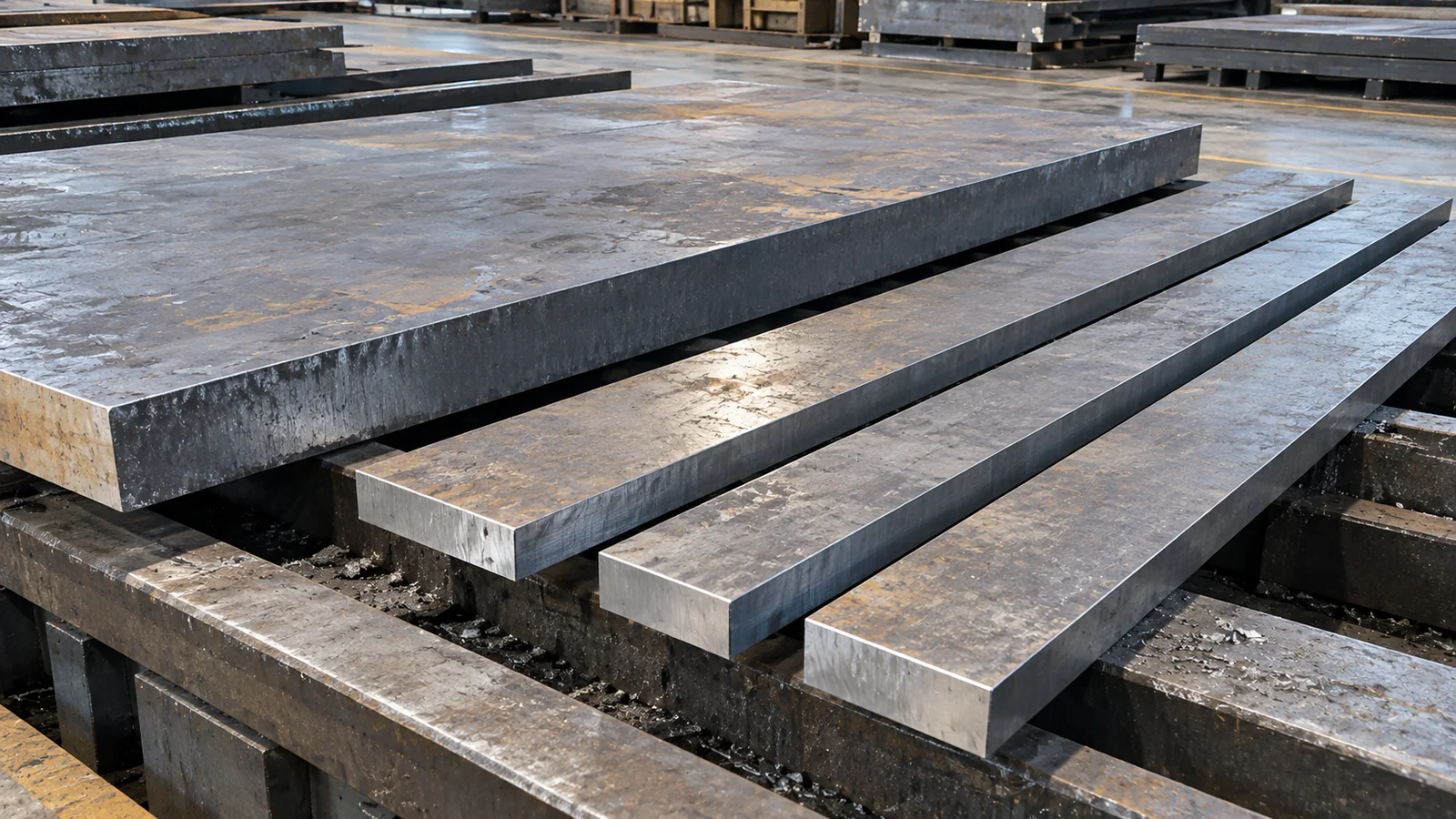
Before selecting equipment, the buyer should define the material grade, diameter range, length range, original surface condition and the target finished surface. If defect depth varies greatly, the removal allowance must be reviewed carefully. This step affects the choice of peeling, grinding, straightening and auxiliary handling equipment.
2. Bar Peeling / Centerless Turning
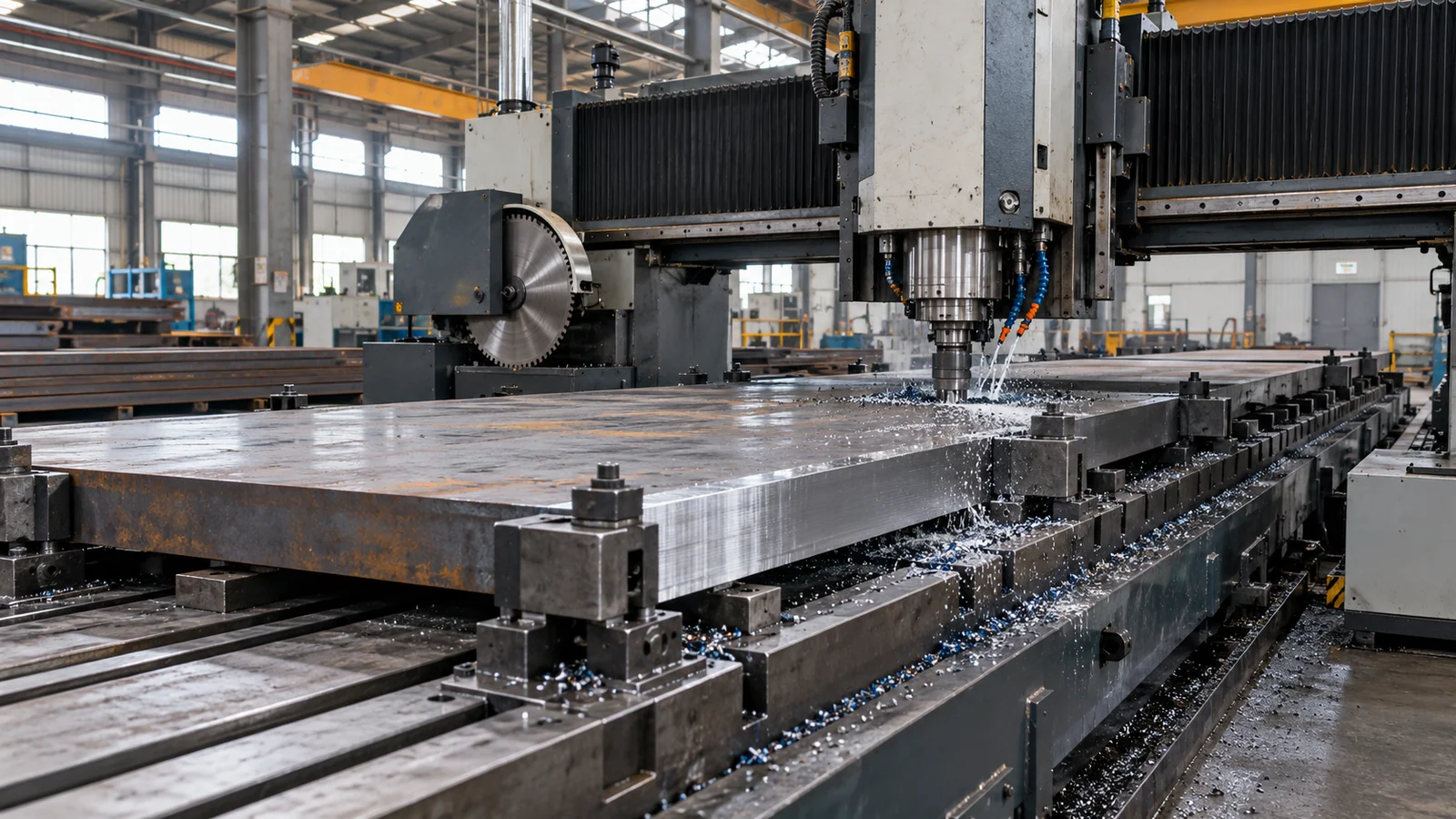
Bar peeling machines, also known as centerless lathes, are used to remove the outer surface layer of round bars. This process is suitable when the goal is to remove cracks, oxide layers or decarburized layers more efficiently than manual grinding or repeated conventional machining. The machine configuration should match the bar diameter, material hardness, defect condition and required output.
For stable production, pay attention to feeding accuracy, clamping and guiding, chip handling, tool arrangement and the connection with upstream and downstream machines. The peeling section should not be treated as an isolated unit; it is the core process around which the rest of the finishing line is organized.
3. Straightening and Burnishing
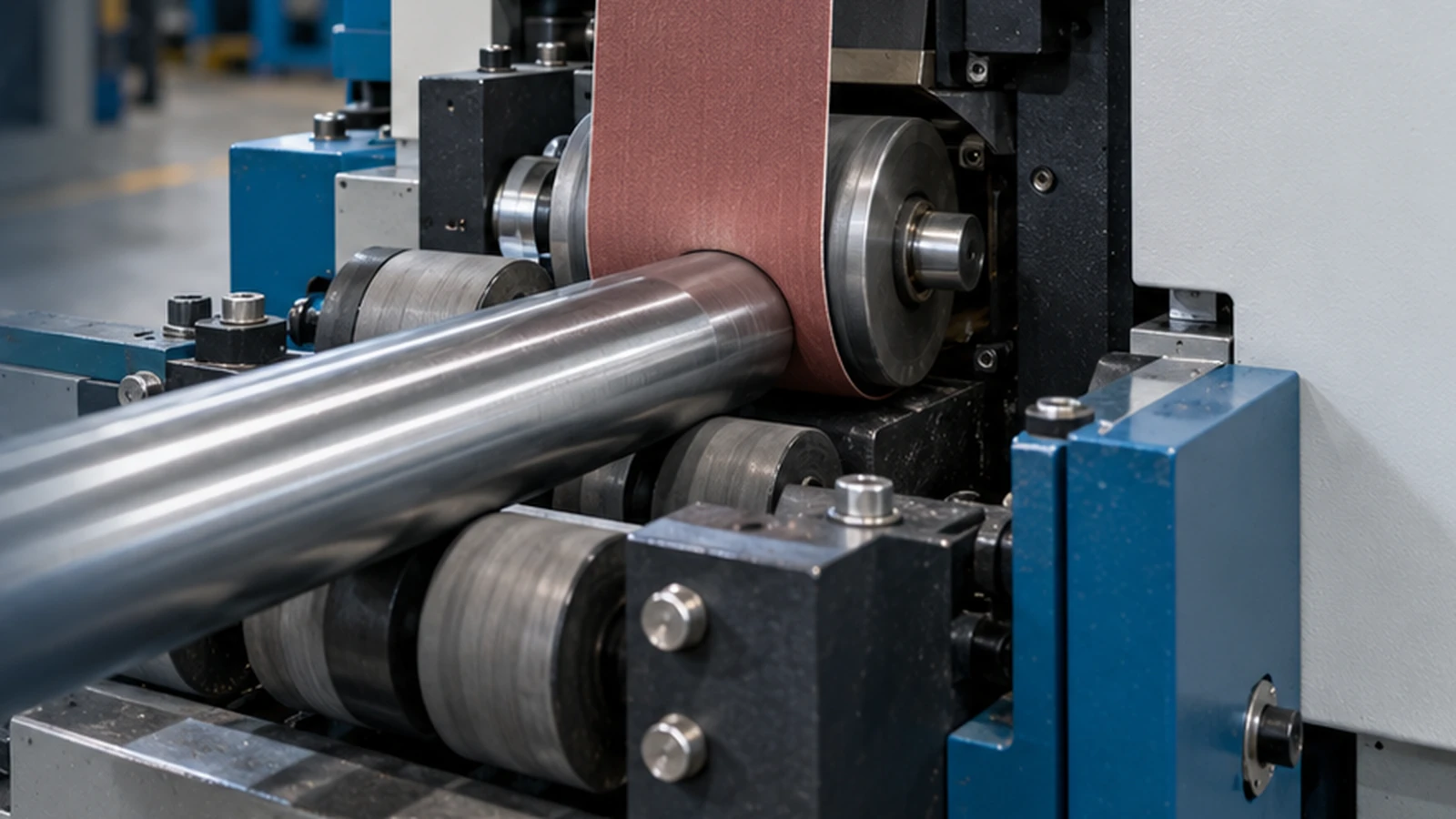
After peeling, the bar may need precision straightening to improve dimensional stability and downstream processing performance. Straightening and burnishing machines help improve bar straightness and surface quality after material removal. For many bright bar applications, this stage is important because surface quality and straightness are reviewed together by the final buyer.
Selection should consider bar diameter, material strength, initial bending condition, target straightness, required surface effect and whether the line needs automatic loading or unloading.
4. Abrasive Belt Grinding and Polishing
When the finished bar, tube or wire rod requires a smoother or more uniform surface, abrasive belt grinding and polishing equipment can be added after peeling or straightening. This section is especially useful for stainless steel, special steel and non-ferrous materials where appearance, surface cleanliness or downstream machining quality matters.
The correct configuration depends on the required surface finish, material type, abrasive belt arrangement, dust collection needs and production speed. It is better to define the finished surface requirement clearly before the equipment quotation stage.
5. Drawing, Sawing, Chamfering and Auxiliary Equipment
In a complete line, auxiliary equipment can be just as important as the main machine. Drawing machines, circular saws, chamfering machines, loading systems, unloading racks and transfer devices help connect the process into an efficient production flow. This is where a line becomes more than a group of independent machines.
For export projects, buyers should also consider maintenance access, operator training, spare parts management and packaging requirements before confirming the final layout.
Information Buyers Should Prepare Before Requesting a Quote
| Project Item | Information to Confirm | Why It Matters |
|---|---|---|
| Material | Steel, stainless steel, copper, titanium, aluminum or other alloy | Affects machine structure, tooling and process speed. |
| Diameter and length | Minimum and maximum bar, tube or wire rod size | Determines machine model, feeding and handling design. |
| Surface defects | Oxide layer, cracks, decarburized layer, rust or uneven surface | Defines removal allowance and process route. |
| Finished requirement | Straightness, surface quality and downstream use | Helps decide whether straightening, burnishing, grinding or polishing is needed. |
| Production target | Expected output, shifts and automation level | Supports line layout and auxiliary equipment planning. |
| Factory conditions | Workshop space, power supply and material flow | Helps avoid installation and operation problems later. |
When to Choose an Integrated Line Instead of a Single Machine
A single machine can be suitable when the customer only needs one process upgrade, such as replacing manual grinding with bar peeling. However, an integrated bright bar production line is usually the better option when the buyer needs stable mass production, consistent surface quality, automatic material transfer or a process that connects pre-straightening, peeling, precision straightening, cutting and unloading.
Integrated planning also makes the project easier to manage after delivery. Operators can follow a clearer process, maintenance teams can track key machines, and engineers can evaluate the full production result instead of troubleshooting each machine separately.
How Haige Supports Bright Bar Finishing Projects
Haige focuses on the R&D, manufacturing and export of steel finishing equipment. With two manufacturing facilities, dedicated R&D capability, ISO9001 quality management and experience in centerless lathes, straightening and burnishing machines, grinding and polishing equipment and complete line configuration, Haige helps customers review practical project requirements before recommending equipment.
For overseas customers, Haige can support equipment selection, manufacturing, inspection, export packaging, installation guidance, commissioning support, operator training and long-term technical service. The goal is not to sell a larger line than necessary, but to configure a line that fits the buyer’s material, process and production target.
Send Haige Your Project Requirements
If you are planning a bright bar, tube or wire rod finishing project, send the material type, diameter range, length range, surface defect condition, finished surface requirement and expected output. Haige’s engineering team can review the application and recommend a suitable single machine or complete finishing line configuration.