China Centerless Grinding Machine Parts RFQ Guide for OEM/ODM Wholesale Supply | Yantai Haige Machine Tools Co., Ltd.

China Centerless Grinding Machine Parts RFQ Guide for OEM/ODM Wholesale Supply

Prepare a clearer RFQ for China Cheap OEM Wholesale Buy Best Famous Discount CE Certification High-Quality ODM Centerless Grinding Machine Parts Manufacturer, Factory, Suppliers, Exporte by checking product fit, order details, and support questions before contacting a supplier.

This page is designed for factory purchasing teams planning export orders. Use it to organize application requirements, installation concerns, usage details, customization needs, and after-sales questions into a practical inquiry.

Hot Selling Product

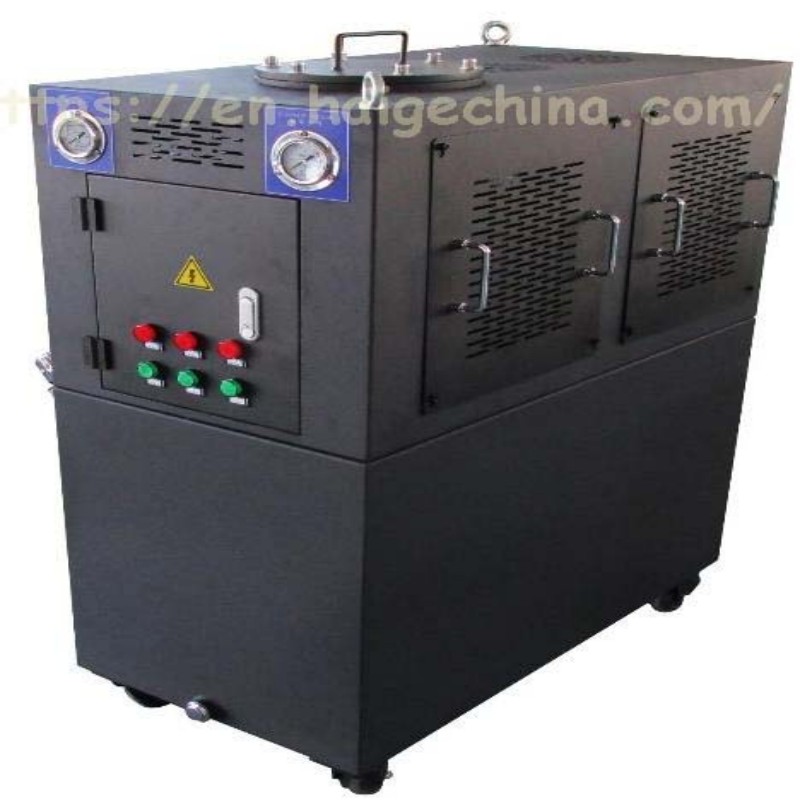
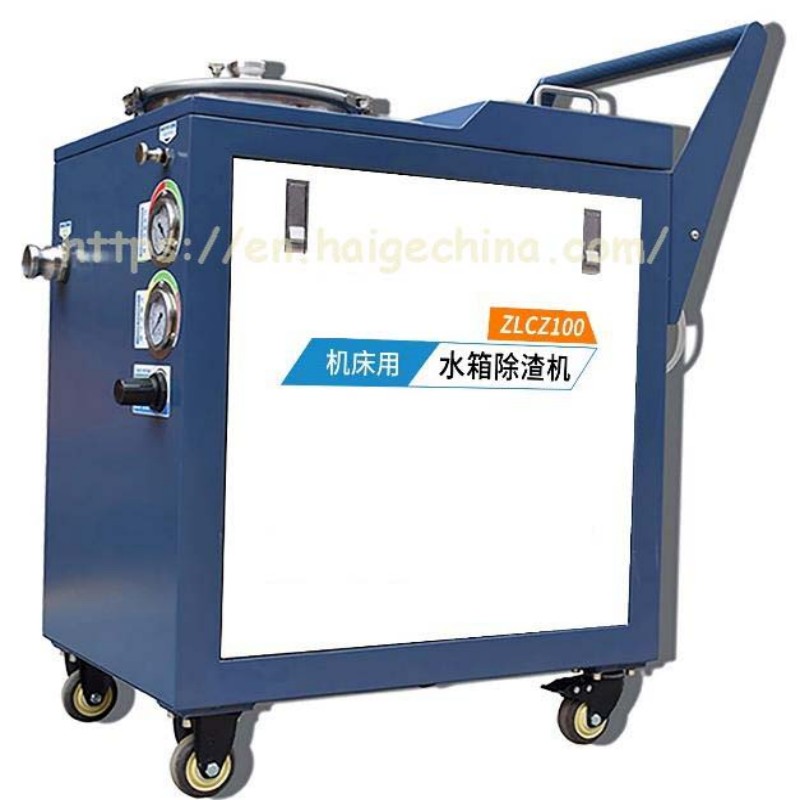
ZLCZ Series Debris Removers (for machine tools)

ZLCZ Series Debris Removers (for machine tools)

ZLCZ series slag remover is mainly applicable to the cleaning of metal and non-metal debris, sludge, etc. in the water tank of the machine tool. The main components of the machine include inlet and outlet pipe parts, filter barrel parts, water pump parts and box parts. The mixture of cutting fluid and metal debris is sucked into the filter barrel through the water inlet of the water pump, and the cutting fluid filtered by the filter screen is sent back to the cutting fluid pool, and the purpose of removing debris and debris is achieved by circulating filtration. This machine is plug free, the quick connector is plug and play, the machine tool is free of shut down, and can be cleaned at any time.

Read More
ZLTY Series Chip De-oiling Machines

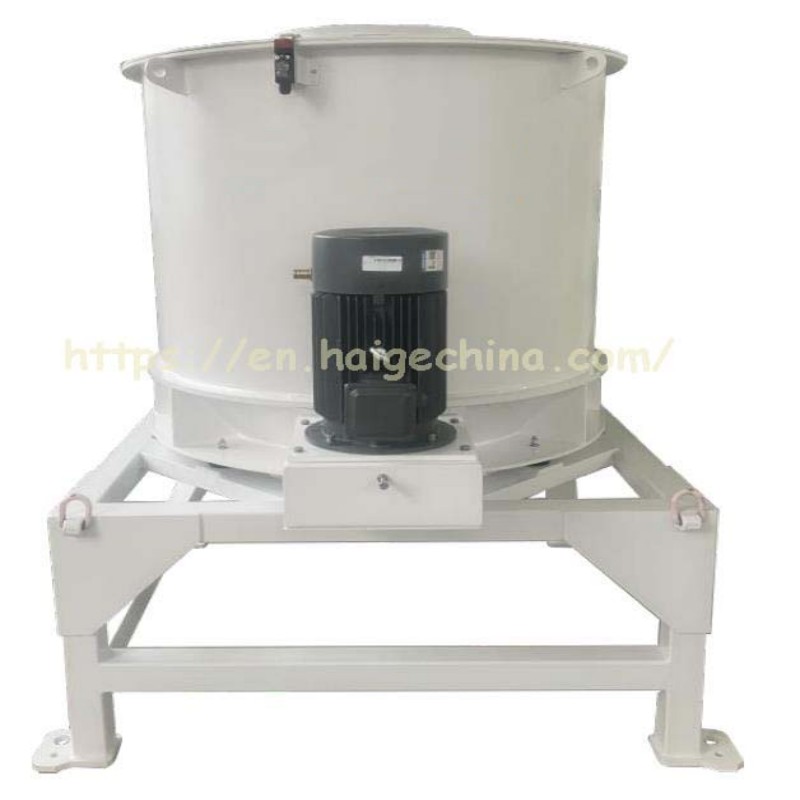
ZLTY Series Chip De-oiling Machines

ZLTY series chip dryer is mainly used for separating the oil -chips from machine tools(like gear-cutting machines and gun-drills) using expensive coolant (cutting oil) as coolant. Oil-chips drop into the rotary drum of the dryer through a conveying device, and metal filings with coolant (cutting oil) are dried by the action of high-speed centrifugal force, so as to separate oil from the chips. It has a separating load of 100–1000 kg/h, with a drying rate ≥95%. The recycled liquid can be reused, thus making it economical and environmentally friendly.

Read More
ZLTF Series Lifting and Tipping Machines

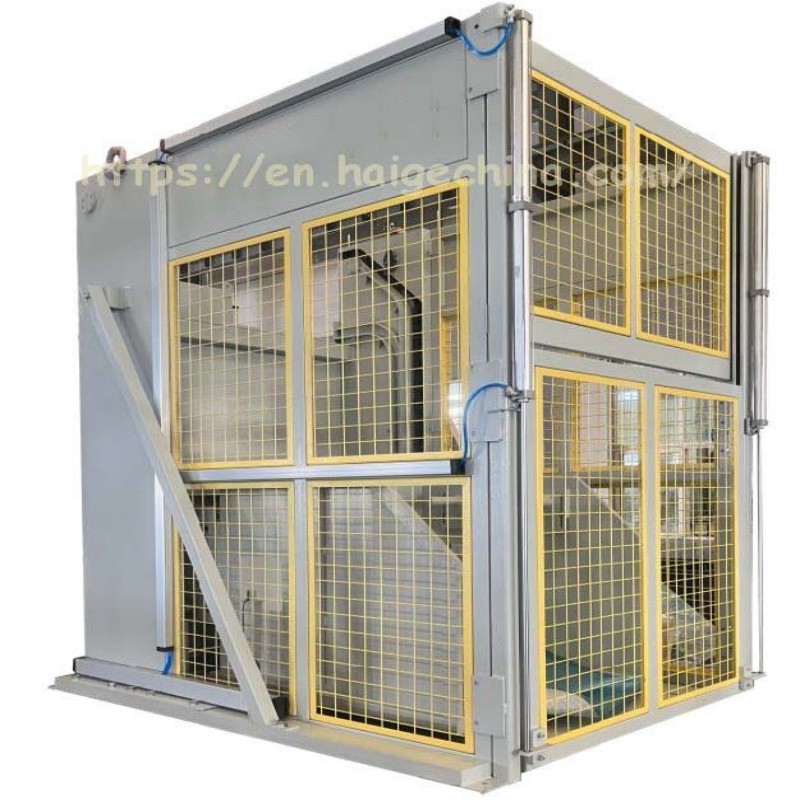
ZLTF Series Lifting and Tipping Machines

ZLTF series lifting and tipping machines are mainly used for the transfer and tipping of solid materials. When working, the chip collecting truck is lifted toa certain height, and the material is automatically inverted. The equipment is equipped with a limit interlock protection device and a protective device. When in use, it is driven by double chains, and the operation is stable and reliable.

Read More
High-pressure central water supply cooling system (for machine tools)

High-pressure central water supply cooling system (for machine tools)

The high-pressure central water cooling system adopts the two-stage filtration form of vortex separator + cloth bag filter. Vortex separators can effectively filter heavy foreign bodies such as cutting, and cloth bag filters can effectively filter light foreign bodies such as floating objects, ensuring that high precision coolant is provided to machine tools. The high pressure center outlet water system is compact in appearance, not limited by the installation site, convenient in maintenance and management, and especially suitable for high precision, high performance, high speed CNC machine tool cutting fluid supply.  This product is suitable for water soluble cutting fluid and other low viscosity fluids. System supply pressure 2–15 MPa can be designed and produced.

Read More
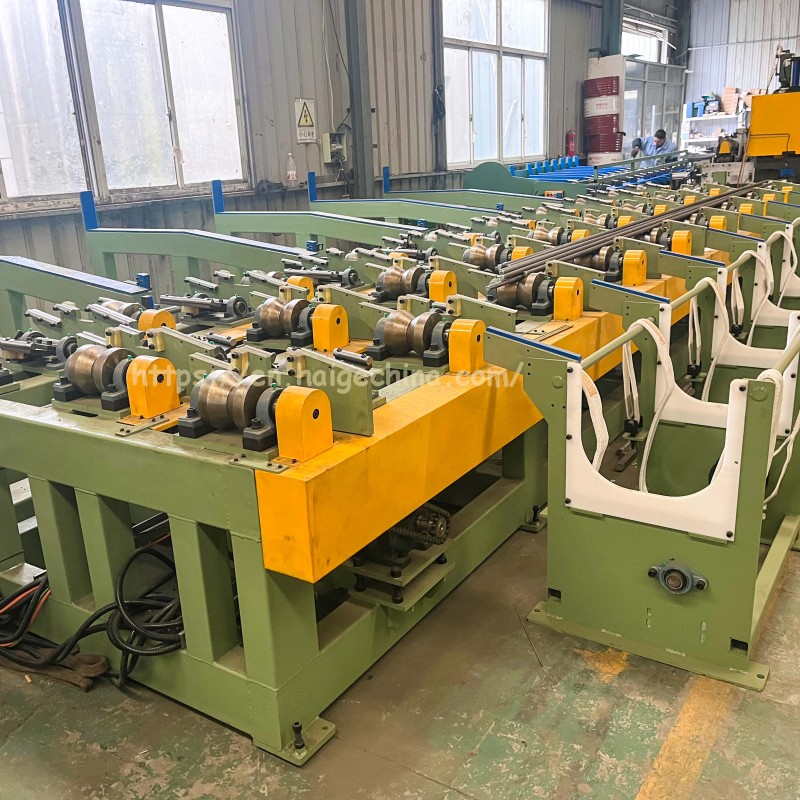
Chamfering Machine

Chamfering Machine

Double-bar dual-end Chamfering&facing and double-end chip removal device and conveying rack are all installed on the same body. The bar material is loaded to the left end facing device or the right end facing device through the dialing device on the roller table alternately. Two bars roll and slide into the double-station positioning V-groove. There are pulleys under the inner side of the V-groove. The cylinder pushes the bar on the pulley to the positioning block. The press cylinder on the double-facing device head drives the double V-shape holder to clamp the bar. Driven by the oil cylinder,the facing tool process the end surface.The left and right double facing devices process alternately. The jacking cylinder mechanism lifts the bar and convey the bar for the next double chamfering process (double pre-positioned V groove). The bar material was lifted and  slides down from the double pre-position slot to (the right ,the double-end chamfering v-groove), and the bar is pushed by the cylinder again to the right side of the double chamfering head. There is a positioning block in front of the head (pneumatic lifting block), the bar stops where the block positions, the block is lifted, and the pressure cylinder on the double chamfering head drives the double V-shaped clamp to clamp the right end of the bar and the double chamfering head begins the chamfering process. The bar material slides from the double chamfering V-groove on the right end and slides into the double chamfering V-groove on the left end, and pushes the bar on the pulley to the left double-chamfering head by the cylinder again. The left and right double-head chamfering is also processing alternately and repeatedly. The right machine head is fixed, the left head and the conveying rack are driven by hydraulic cylinders, which can be adjusted according to different bar materials, and the length of the bar to be processed can be adjusted on the operating table. Milled and chamfered products have no burrs and are smooth and flat. The milling depth of the end face can be adjusted from 3 to 5mm, and the chamfer size is 2 ~ 3 × 45 ° mm. The depth of the milling surface and the chamfer can be adjusted according to the actual situation of the incoming material. It is required that no new bending deformation should be caused to the bar during the processing.

Read More
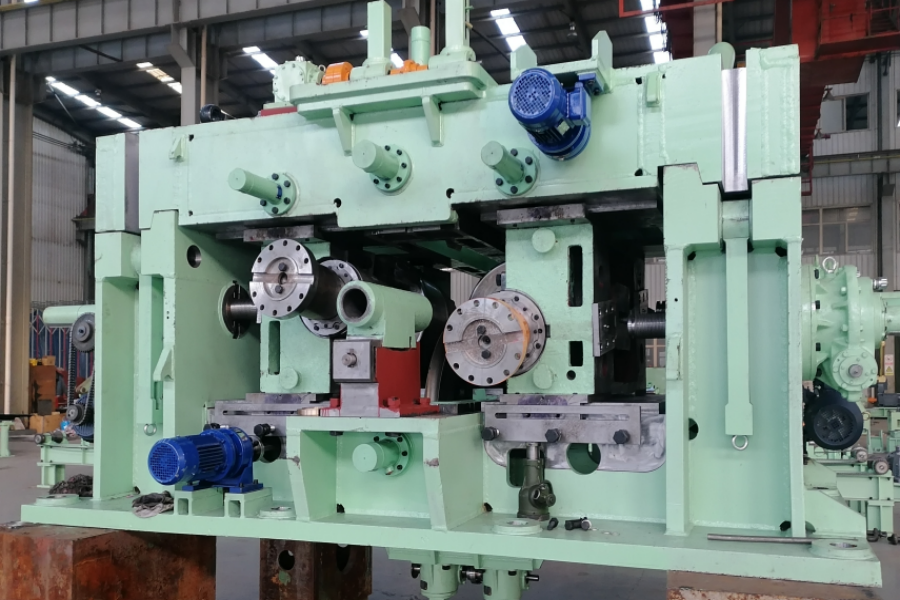
LG90-H Single line long stroke cold tube milling machine

LG90-H Single line long stroke cold tube milling machine

The main structure of LG cold tube rolling mill is composed of machine bed, rotary feeding mechanism, frame, a main motor, core rod, transmission system, electrical system, etc. With the development of technology, nowadays the rotary feeding mechanism has been evolved into single rotation, double feeding, double rotation, single feeding in,and double rotation double feeding in. And the usual feeding mode can be divided into mechanical feeding, photoelectric feeding, and servo feeding. The most critical part of one cold rolling mill is the frame, which includes roller, gear, rack, etc.. The working principle can be described as follows. By creating regular cavity by roller and mandrel, steel tube can be rolling milled taking advantage of elastic deformation of metal. The cold tube rolling mill machine can achieve cold rolling process to the shell using ring hole with relatively good first time rolling performance, and can process nonferrous metal seamless pipe of normal precision as well. The most obvious characteristic of cold mill is the high material utilization, with better precision and surface roughness than cold tube drawing machine.

Read More

How To Compare centerless grinding machine parts Options

Product Selection Guide

The related product list helps you compare China Cheap OEM Wholesale Buy Best Famous Discount CE Certification High-Quality ODM Centerless Grinding Machine Parts Manufacturer, Factory, Suppliers, Exporte by actual product direction rather than keyword wording alone. Check whether each product supports export order preparation, then use the table below to prepare a clearer RFQ.

Criterion What To Check Why It Matters Buyer Tip
Application fit Workpiece size, material, tolerance Avoids mismatch before RFQ Send drawings and use case
Installation needs Machine model, space, interfaces Confirms part compatibility Share current line photos
ODM/OEM scope Custom size, material, finish Clarifies factory capability request List required changes clearly
Export preparation Packing, documents, destination Reduces order delays Ask for export document list
After-sales questions Spare parts, guidance, response Supports stable production use Confirm service contact route

How To Choose centerless grinding machine parts Supplier

If you are sourcing centerless grinding machine parts, start by matching the part type, machine use, size requirements, material needs, and expected operating conditions. A useful supplier inquiry should include more than price; it should explain the application and purchasing plan.

For export order preparation, ask about custom options, sample review, packaging, lead time, installation guidance, and after-sales communication. Clear RFQ details help the supplier confirm whether the product matches your project.

Begin with the application. Confirm where the centerless grinding machine parts will be installed, what function they serve, and whether the order is for repair, replacement, production expansion, or equipment preparation. Share drawings, photos, models, or sample references when available.

List the commercial details early. Include estimated quantity, export destination, packaging expectations, preferred delivery schedule, and any required documents. This helps the supplier respond with more relevant information instead of a general product list.

Ask practical usage questions before confirming an order. Discuss installation requirements, compatibility with existing equipment, maintenance points, and whether technical support is available after delivery. These questions are especially important for factory teams preparing bulk or repeat purchases.

When comparing suppliers, review how they handle custom options, lead-time questions, sample communication, and follow-up support. A good RFQ process should make it easier to confirm application fit and reduce unclear details before purchase approval.

Criteria Importance Description Example Options
Drawing completeness High Controls quotation accuracy 2D/3D files, tolerances
Application match High Prevents installation mismatch Machine model, part position
Custom scope Medium Clarifies OEM/ODM feasibility Material or dimension changes
After-sales communication High Supports usage questions Installation and issue feedback
Export RFQ details Medium Improves order preparation Quantity, packaging, documents

Top Product Matches

Recommended Products

Top product matches should be reviewed by fit, specification clarity, customization readiness, and how well they support RFQ preparation. Use these factors to shortlist practical options before contacting the supplier.

Top Selling Product Selection Factors

RFQ detail readiness Drawings improve replies
Application matching Fit depends on use
Installation clarity Check model data
Custom option need Define OEM/ODM scope
Bulk order planning Confirm lead time early

Blog Articles / Reviews

How to Choose a Bar Peeling Machine for Round Bar Surface Defect Removal

How to Choose a Bar Peeling Machine for Round Bar Surface Defect Removal

For round bar producers, steel mills and machining material suppliers, a bar peeling machine is usually purchased to solve a very specific production problem: the incoming bar surface cannot meet the next process requirement. Hot-rolled bars may carry oxide scale. Forged or rolled bars may have shallow cracks, decarburized layers, rust or uneven outer surfaces. […]

Why Centerless Lathes Matter for Precision Bar Surface Finishing

Why Centerless Lathes Matter for Precision Bar Surface Finishing

In metal bar production, surface quality is not only a visual requirement. For many steel, copper, titanium, magnesium and aluminum materials, surface cracks, oxide layers and decarburized layers can affect downstream machining, drawing, polishing, heat treatment and final product stability. A centerless lathe is designed to remove these surface defects efficiently while keeping the bar […]

Improving Bar Straightness Before Downstream Grinding and Polishing

Improving Bar Straightness Before Downstream Grinding and Polishing

Bar straightness is one of the most practical quality factors in metal finishing. Even when the surface has been peeled or turned correctly, poor straightness can create problems in grinding, polishing, drawing, inspection and automatic feeding. For bright bar production lines, straightening is not an optional step; it is often the link that keeps the […]

How Abrasive Belt Grinding Supports Bright Bar Surface Quality

How Abrasive Belt Grinding Supports Bright Bar Surface Quality

Bright bar surface quality depends on more than one machine. In many production lines, abrasive belt grinding and polishing equipment is used after peeling, turning or straightening to improve surface appearance, remove fine marks and prepare the material for higher-value applications. A well-configured grinding process can make the final product more consistent and easier to […]

Buyer feedback and inquiry notes can help your team review export order needs, organize sample questions, confirm application details, and shortlist related products before supplier communication.

Marina K. Feld August 18, 2026
I used the page to separate centerless grinding machine parts by function, which helped me ask clearer questions about guide plates, work rests, and wear items.
Jonas P. Varga August 9, 2026
I was checking replacement planning for our centerless grinder, and the page made it easier to discuss compatible parts without sending an unfocused maintenance request.
Priya N. Desai July 29, 2026
The content helped me organize our inquiry around centerless grinding machine parts, especially when comparing tooling contact areas, adjustment needs, and routine replacement concerns.
Caleb R. Monroe July 12, 2026
I referenced this tag page while preparing sourcing notes, and it helped me describe the centerless grinder parts we needed in more practical production terms.

Frequently Asked Questions

For an RFQ, what details should a factory purchasing team provide for China OEM/ODM centerless grinding machine parts?

Share part drawings, material grade, dimensions, tolerance targets, grinding application, machine model, usage environment, quantity range, packaging needs, and export documents required. Clear inputs help suppliers assess manufacturability and application matching.

How can buyers confirm whether centerless grinding machine parts fit their existing production line?

Provide photos, original part numbers if available, installation position, mating component details, and operating conditions. The supplier can compare these references with drawings and clarify whether standard, OEM, or ODM adjustment is needed.

What after-sales questions should be included when buying high-quality centerless grinding machine parts for export orders?

Ask about installation guidance, troubleshooting communication, replacement recommendations, drawing confirmation process, and how quality issues are reviewed. Avoid assuming service scope; request written support terms before placing a wholesale or bulk order.

Can Yantai Haige Machine Tools discuss custom options for OEM or ODM centerless grinding machine parts?

Yes, buyers may request custom discussion by submitting technical drawings, target performance, material preferences, and application details. The final feasibility depends on design review, process requirements, and confirmed specifications between both parties.

What should purchasing teams ask suppliers before comparing cheap or discount centerless grinding machine parts?

Compare material requirements, machining process, tolerance control method, inspection items, packaging approach, and communication responsiveness. A low quoted cost should still be reviewed against application risk, installation needs, and long-term usage expectations.

How should lead-time questions be framed for export preparation without assuming availability?

Ask for estimated production and dispatch timing based on drawings, quantity, customization level, and documentation needs. Request confirmation after technical review, because timing can vary by part complexity, order volume, and supplier workload.

Leave Your Message

Send your RFQ with part details, drawings or photos, quantity, destination, timeline, customization needs, and questions about installation, usage, and after-sales support.