China Bar Peeling Machine Sourcing: OEM/ODM Manufacturers & Export Suppliers | Yantai Haige Machine Tools Co., Ltd.

China Bar Peeling Machine Sourcing: OEM/ODM Manufacturers & Export Suppliers

For a product development team building a new metal processing line, supplier review should begin with clear inspection expectations. This page helps you assess China Cheap OEM Wholesale Buy Best Famous Discount CE Certification High-Quality ODM Bar Peeling Machine Manufacturers In China Manufacturer, Factory, Suppliers with a focus on specification accuracy, documentation, and RFQ readiness.

Use the product matches, guide notes, and inquiry prompts to compare bar peeling machine options before contacting Yantai Haige Machine Tools Co., Ltd. with project details.

Hot Selling Product

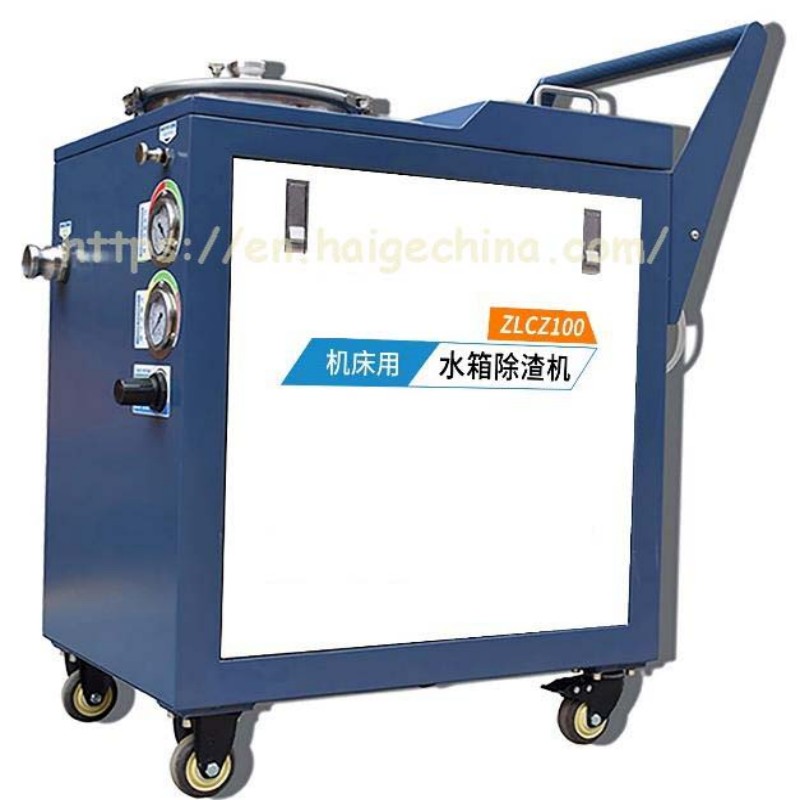
ZLCZ Series Debris Removers (for machine tools)

ZLCZ Series Debris Removers (for machine tools)

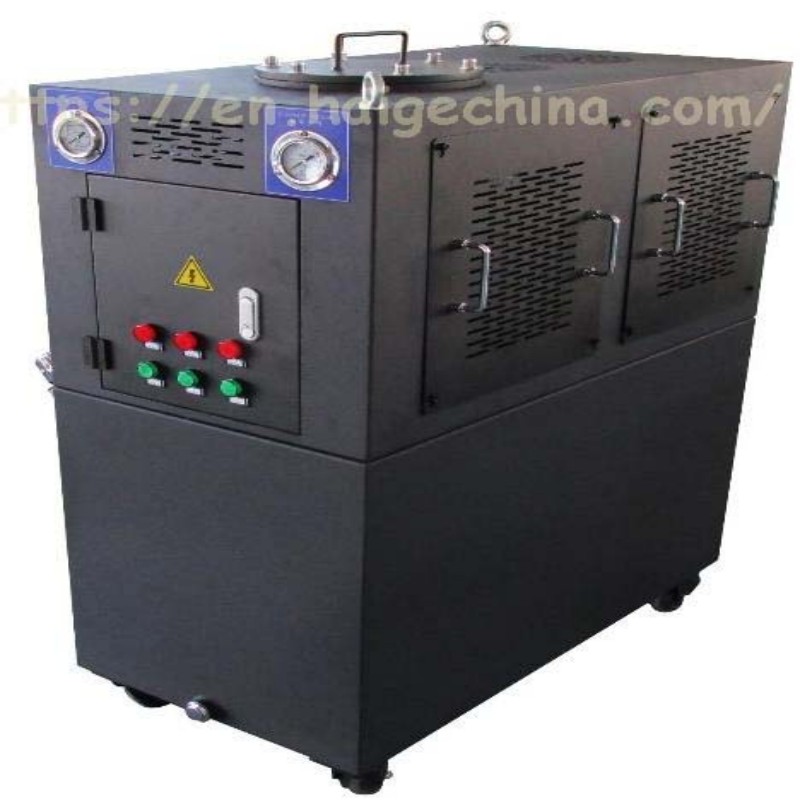
ZLCZ series slag remover is mainly applicable to the cleaning of metal and non-metal debris, sludge, etc. in the water tank of the machine tool. The main components of the machine include inlet and outlet pipe parts, filter barrel parts, water pump parts and box parts. The mixture of cutting fluid and metal debris is sucked into the filter barrel through the water inlet of the water pump, and the cutting fluid filtered by the filter screen is sent back to the cutting fluid pool, and the purpose of removing debris and debris is achieved by circulating filtration. This machine is plug free, the quick connector is plug and play, the machine tool is free of shut down, and can be cleaned at any time.

Read More
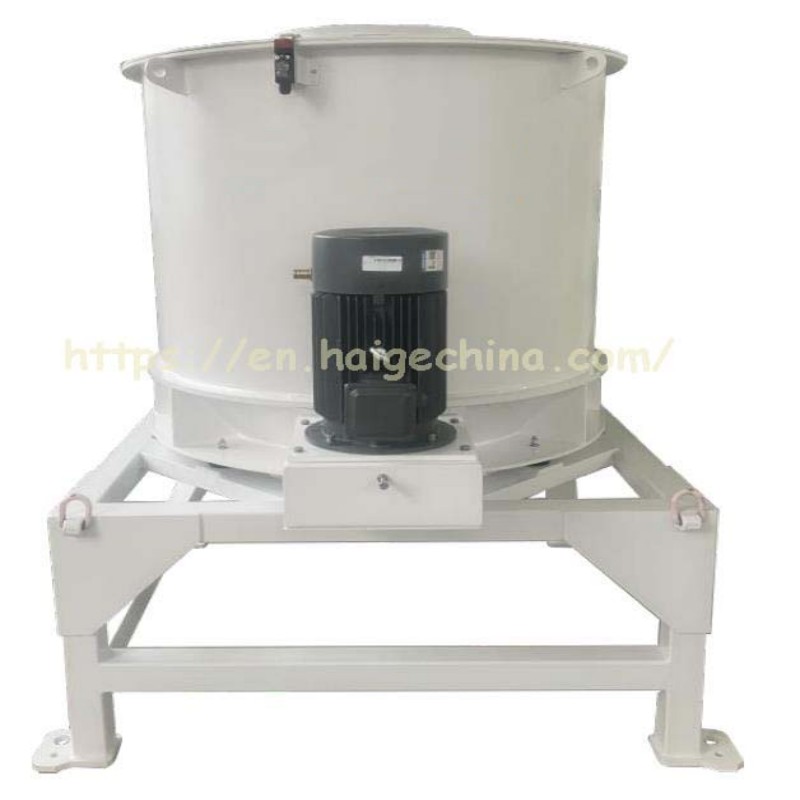
ZLTY Series Chip De-oiling Machines

ZLTY Series Chip De-oiling Machines

ZLTY series chip dryer is mainly used for separating the oil -chips from machine tools(like gear-cutting machines and gun-drills) using expensive coolant (cutting oil) as coolant. Oil-chips drop into the rotary drum of the dryer through a conveying device, and metal filings with coolant (cutting oil) are dried by the action of high-speed centrifugal force, so as to separate oil from the chips. It has a separating load of 100–1000 kg/h, with a drying rate ≥95%. The recycled liquid can be reused, thus making it economical and environmentally friendly.

Read More
ZLTF Series Lifting and Tipping Machines

ZLTF Series Lifting and Tipping Machines

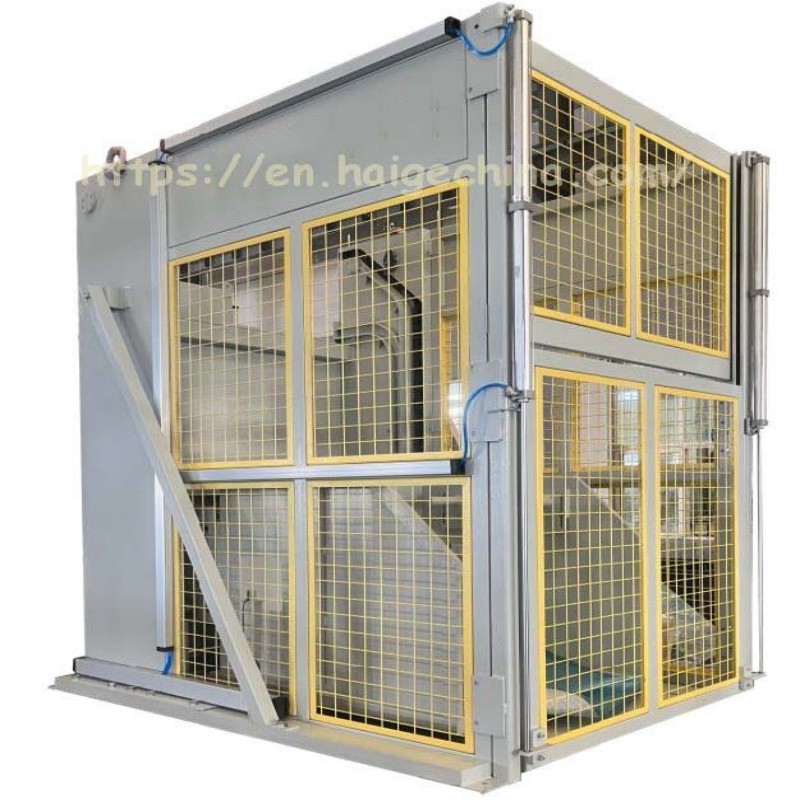
ZLTF series lifting and tipping machines are mainly used for the transfer and tipping of solid materials. When working, the chip collecting truck is lifted toa certain height, and the material is automatically inverted. The equipment is equipped with a limit interlock protection device and a protective device. When in use, it is driven by double chains, and the operation is stable and reliable.

Read More
High-pressure central water supply cooling system (for machine tools)

High-pressure central water supply cooling system (for machine tools)

The high-pressure central water cooling system adopts the two-stage filtration form of vortex separator + cloth bag filter. Vortex separators can effectively filter heavy foreign bodies such as cutting, and cloth bag filters can effectively filter light foreign bodies such as floating objects, ensuring that high precision coolant is provided to machine tools. The high pressure center outlet water system is compact in appearance, not limited by the installation site, convenient in maintenance and management, and especially suitable for high precision, high performance, high speed CNC machine tool cutting fluid supply.  This product is suitable for water soluble cutting fluid and other low viscosity fluids. System supply pressure 2–15 MPa can be designed and produced.

Read More
Chamfering Machine

Chamfering Machine

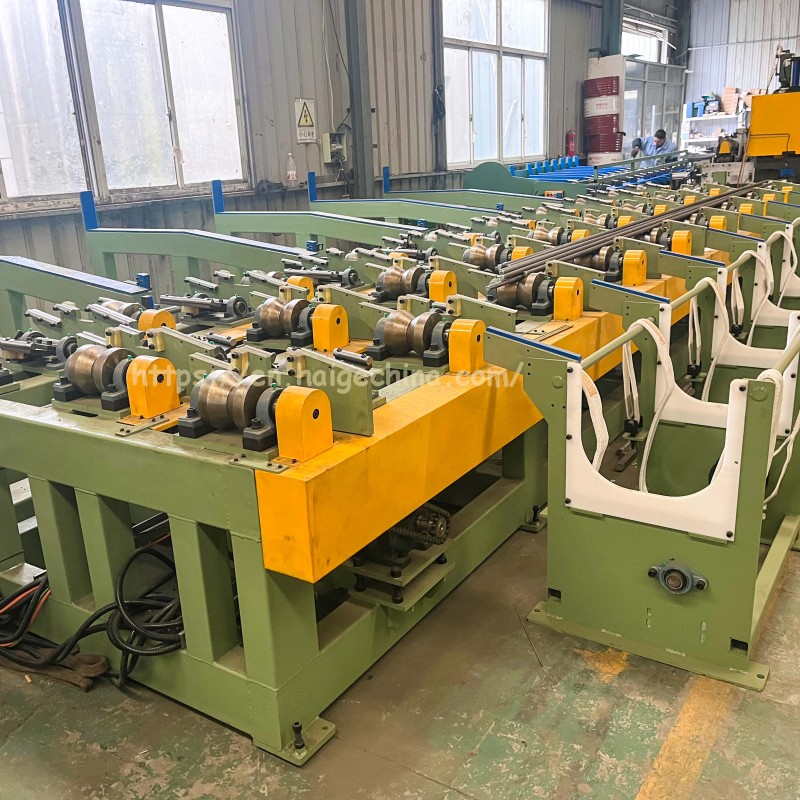
Double-bar dual-end Chamfering&facing and double-end chip removal device and conveying rack are all installed on the same body. The bar material is loaded to the left end facing device or the right end facing device through the dialing device on the roller table alternately. Two bars roll and slide into the double-station positioning V-groove. There are pulleys under the inner side of the V-groove. The cylinder pushes the bar on the pulley to the positioning block. The press cylinder on the double-facing device head drives the double V-shape holder to clamp the bar. Driven by the oil cylinder,the facing tool process the end surface.The left and right double facing devices process alternately. The jacking cylinder mechanism lifts the bar and convey the bar for the next double chamfering process (double pre-positioned V groove). The bar material was lifted and  slides down from the double pre-position slot to (the right ,the double-end chamfering v-groove), and the bar is pushed by the cylinder again to the right side of the double chamfering head. There is a positioning block in front of the head (pneumatic lifting block), the bar stops where the block positions, the block is lifted, and the pressure cylinder on the double chamfering head drives the double V-shaped clamp to clamp the right end of the bar and the double chamfering head begins the chamfering process. The bar material slides from the double chamfering V-groove on the right end and slides into the double chamfering V-groove on the left end, and pushes the bar on the pulley to the left double-chamfering head by the cylinder again. The left and right double-head chamfering is also processing alternately and repeatedly. The right machine head is fixed, the left head and the conveying rack are driven by hydraulic cylinders, which can be adjusted according to different bar materials, and the length of the bar to be processed can be adjusted on the operating table. Milled and chamfered products have no burrs and are smooth and flat. The milling depth of the end face can be adjusted from 3 to 5mm, and the chamfer size is 2 ~ 3 × 45 ° mm. The depth of the milling surface and the chamfer can be adjusted according to the actual situation of the incoming material. It is required that no new bending deformation should be caused to the bar during the processing.

Read More
Bar Rolling Mill

Bar Rolling Mill

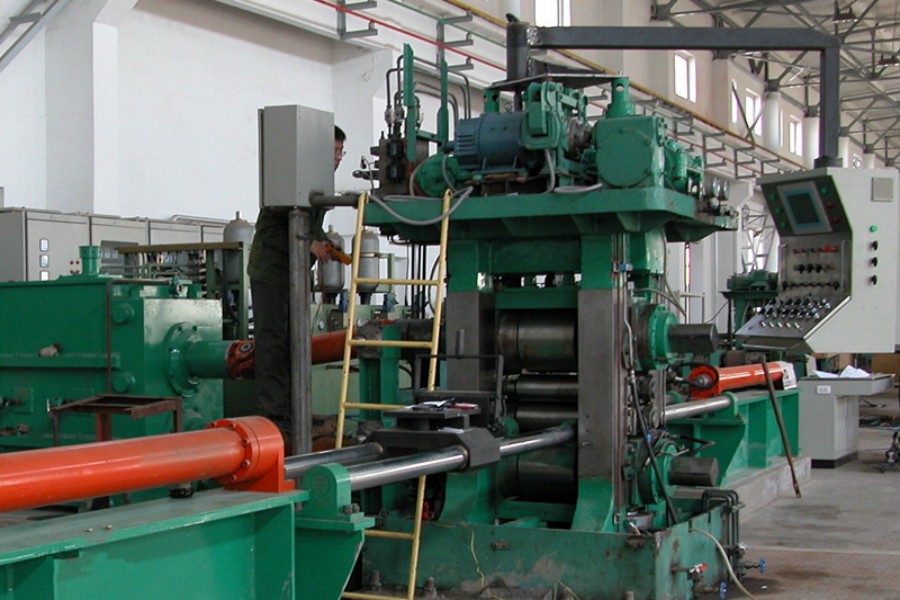
The working stand of roll mill is usually composed of roller, roller bearing, frame, rail support, roller adjustment device, up roller balance device and roller changing device. And other series of auxiliary processing equipment during rolling such as raw material preparation, heating, steel turning over , shearing, straightening, cooling, crack detection, heat treatment and pickling equipment. The type and size of finished or semi-finished rolling mill selection should be decided according to the machine variety, specification, quality and quantity, and with the consideration of necessary auxiliary, lifting transport and ancillary equipment. Finally the decision can be made referring to various kinds of factors to achieve a balanced choice.

Read More

How To Compare bar peeling machine manufacturers in China Options

Product Guide for Quality Review

The related product list helps you compare China Cheap OEM Wholesale Buy Best Famous Discount CE Certification High-Quality ODM Bar Peeling Machine Manufacturers In China Manufacturer, Factory, Suppliers by actual product direction rather than keyword wording alone. Check whether each product supports new product line development, then use the table below to prepare a clearer RFQ.

Criterion What To Check Why It Matters Buyer Tip
Spec fit Confirm bar diameter, material, tolerance Avoids mismatch in new line trials Attach drawings in RFQ
Inspection plan Ask for key QC points and records Supports quality review before sourcing Request sample report format
Customization scope Clarify OEM/ODM changes allowed Helps product development planning List must-have vs optional items
Certification docs Verify CE-related files if required Reduces compliance review delays Ask for current document copies
Delivery prep Confirm lead time, packing, bulk terms Improves launch schedule control Include forecast quantity

How To Choose bar peeling machine manufacturers in China Supplier

If you are searching for bar peeling machine manufacturers in China, the best starting point is to confirm whether the supplier can match your bar size range, material requirements, surface expectations, and production planning needs.

For RFQ preparation, provide drawings or sample details, target output, inspection points, certification or documentation requests, order quantity, destination, and expected lead-time questions. This helps the supplier give a more useful technical and commercial response.

Begin with the product development brief. Define the bar materials, diameter range, finished surface requirements, straightness expectations, and where the machine will fit in the new production line. These details help narrow the comparison between standard models and possible ODM or OEM project support.

Quality review should include more than a price comparison. Ask what inspection points are checked before delivery, what documents can be supplied, and how technical parameters are confirmed. If CE Certification or other compliance documentation is important for your market, mention this in the first RFQ rather than after pricing.

For bulk order preparation, include expected purchase quantity, delivery destination, packaging requirements, spare parts needs, and installation or training questions. Clear supplier communication reduces repeated clarification and makes it easier to compare quotations from different manufacturers, factories, and suppliers.

When comparing related products, review the machine structure, applicable bar range, automation level, maintenance access, and after-sales communication process. A reliable quotation should connect the recommended model to your application, not only list a discount price or general product name.

Criteria Importance Description Example Options
Specification fit High Matches bar range and tolerance needs Diameter, material, finish
Inspection points High Defines quality review steps Runout, surface, dimensions
Documentation High Supports RFQ and approval Drawings, manuals, checklists
Customization scope Medium Clarifies OEM or ODM limits Tooling, layout, controls
Packaging plan Medium Reduces transport handling risk Labels, protection, loading

Top Product Matches

Recommended Products

Top product matches should be reviewed by fit, specification clarity, customization readiness, and how well they support quality review. Use these factors to shortlist practical options before contacting the supplier.

Top Selling Product Selection Factors

Specification clarity Drawings improve quotes
QC documentation Key for review
Customization readiness Confirm scope early
Supplier communication Fast replies matter
Packaging detail Needed for bulk orders

Blog Articles / Reviews

How to Choose a Bar Peeling Machine for Round Bar Surface Defect Removal

How to Choose a Bar Peeling Machine for Round Bar Surface Defect Removal

For round bar producers, steel mills and machining material suppliers, a bar peeling machine is usually purchased to solve a very specific production problem: the incoming bar surface cannot meet the next process requirement. Hot-rolled bars may carry oxide scale. Forged or rolled bars may have shallow cracks, decarburized layers, rust or uneven outer surfaces. […]

Bar Peeling, Straightening and Burnishing: How to Build a Reliable Bright Bar Finishing Line

Bar Peeling, Straightening and Burnishing: How to Build a Reliable Bright Bar Finishing Line

For steel mills, bright bar producers and metal processing workshops, surface quality is not only a visual requirement. It affects downstream machining stability, straightness control, material utilization and the final confidence of the buyer. When round bars, tubes or wire rods enter the finishing workshop with oxide scale, shallow cracks, decarburized layers or bending, a […]

Why Centerless Lathes Matter for Precision Bar Surface Finishing

Why Centerless Lathes Matter for Precision Bar Surface Finishing

In metal bar production, surface quality is not only a visual requirement. For many steel, copper, titanium, magnesium and aluminum materials, surface cracks, oxide layers and decarburized layers can affect downstream machining, drawing, polishing, heat treatment and final product stability. A centerless lathe is designed to remove these surface defects efficiently while keeping the bar […]

Improving Bar Straightness Before Downstream Grinding and Polishing

Improving Bar Straightness Before Downstream Grinding and Polishing

Bar straightness is one of the most practical quality factors in metal finishing. Even when the surface has been peeled or turned correctly, poor straightness can create problems in grinding, polishing, drawing, inspection and automatic feeding. For bright bar production lines, straightening is not an optional step; it is often the link that keeps the […]

How Abrasive Belt Grinding Supports Bright Bar Surface Quality

How Abrasive Belt Grinding Supports Bright Bar Surface Quality

Bright bar surface quality depends on more than one machine. In many production lines, abrasive belt grinding and polishing equipment is used after peeling, turning or straightening to improve surface appearance, remove fine marks and prepare the material for higher-value applications. A well-configured grinding process can make the final product more consistent and easier to […]

Recent buyer-style feedback on this page focuses on shortlisting related products, planning custom projects, checking specifications, and comparing supplier options before placing a bulk inquiry.

Natalie K. Brooks August 22, 2026
I used this tag page to compare bar peeling machine manufacturers in China and prepare clearer questions about bar range, surface finish needs, and setup requirements.
Victor H. Chen August 19, 2026
I needed a more focused RFQ, and this page helped me describe our bar peeling application without sending vague requests to manufacturers in China.
Amelia R. Grant August 15, 2026
I appreciated how the page kept my attention on practical comparison points for Chinese bar peeling machine manufacturers, especially material handling and machining expectations.
Marcus J. Patel August 9, 2026
I shared this page with our maintenance and purchasing teams because it helped us align on what to ask China-based bar peeling machine suppliers.

Frequently Asked Questions

What should a product development team ask China bar peeling machine manufacturers during initial supplier communication?

Ask for machine model scope, bar material compatibility, diameter range, surface finish targets, inspection records, drawing support, and customization process. For OEM or ODM review, clarify what documentation can be supplied before final RFQ comparison.

How should we prepare a bulk RFQ for a high-quality ODM bar peeling machine project?

Prepare bar specifications, material grades, expected peeling allowance, tolerance needs, line layout limits, power requirements, tooling preferences, packaging expectations, and inspection checkpoints. This helps manufacturers respond with comparable technical and commercial information.

Which lead-time questions are useful when comparing bar peeling machine manufacturers in China?

Ask how lead time is calculated, which stages depend on design confirmation, when inspections occur, and what documents are needed before production. Avoid assuming delivery dates until the supplier confirms project scope and customization requirements.

What packaging requirements should be discussed before buying a wholesale bar peeling machine?

Discuss machine protection, moisture prevention, wooden case or frame requirements, spare parts labeling, tool packaging, loading drawings, and destination handling conditions. Packaging should match machine size, transport route, and buyer-side unloading arrangements.

What quotation information helps compare cheap, discount, and high-quality bar peeling machine options fairly?

Request model configuration, included tooling, control system details, inspection items, optional functions, technical documents, packaging method, and excluded items. A low quote should be reviewed against specification completeness rather than price wording alone.

How can related products be shortlisted against a bar peeling machine for a new product line?

Compare bar peeling machines with centerless lathes, straightening machines, and grinding equipment by process purpose, material condition, required finish, tolerance target, and production sequence. This helps confirm whether peeling is the correct primary process.

Leave Your Message

Send your RFQ with bar material, diameter range, required finish, quantity, destination, documentation requests, packaging needs, and lead-time questions so the team can review your project more efficiently.