China Bar Peeling Machine Manufacturer Sourcing: OEM/ODM, Wholesale & Supplier Checks | Yantai Haige Machine Tools Co., Ltd.

China Bar Peeling Machine Manufacturer Sourcing: OEM/ODM, Wholesale & Supplier Checks

If you are replacing an existing supply source, this page helps you build a focused shortlist for China Cheap OEM Wholesale Buy Best Famous Discount CE Certification High-Quality ODM Bar Peeling Machine Manufacturer Manufacturer, Factory, Suppliers, Exporter.

For private-label brand owners, fast supplier communication and clear quotation details can shorten early comparison work. Review the product direction, customization points, and inquiry tips before contacting Yantai Haige Machine Tools Co., Ltd.

Hot Selling Product

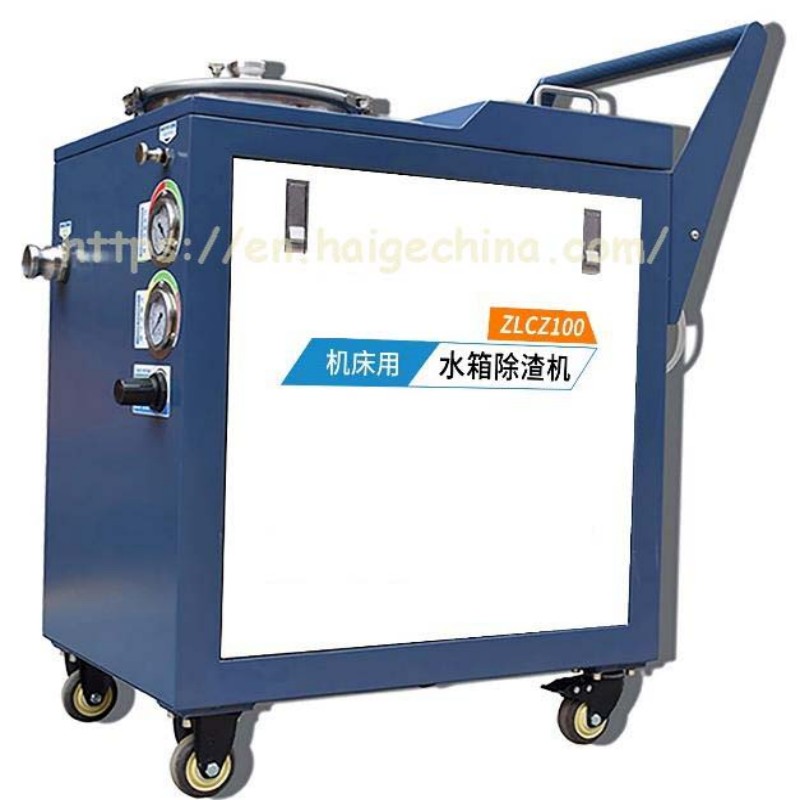
ZLCZ Series Debris Removers (for machine tools)

ZLCZ Series Debris Removers (for machine tools)

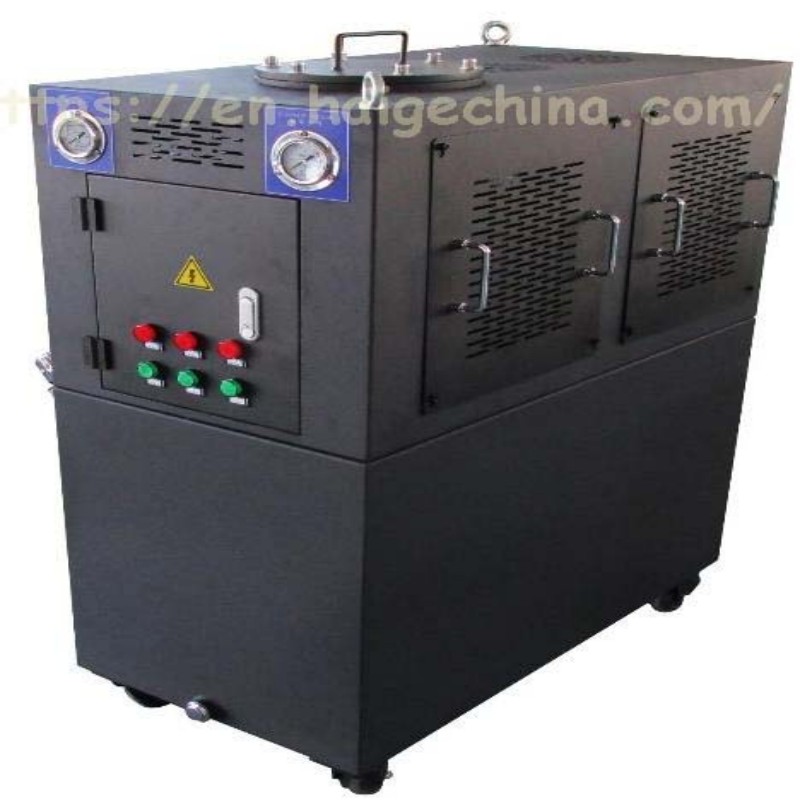
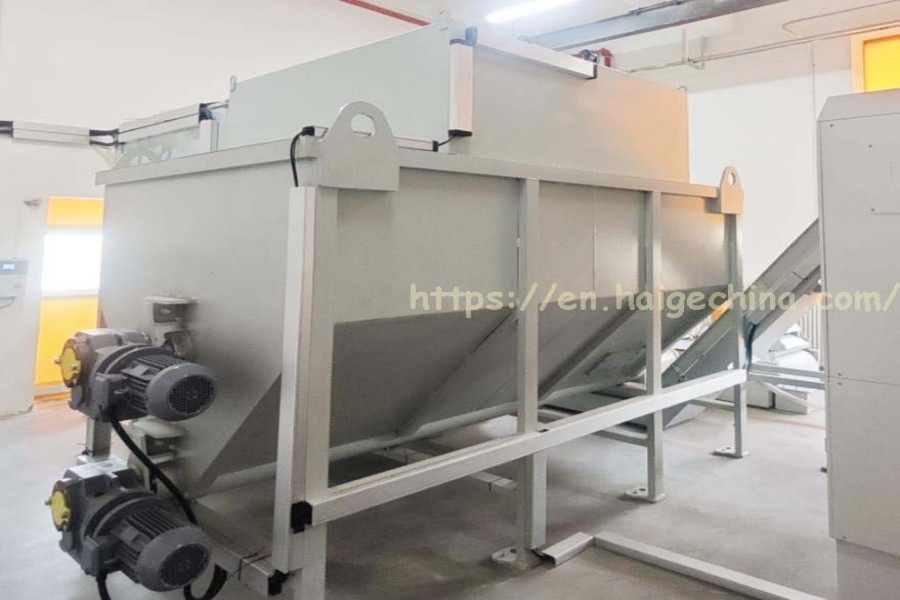
ZLCZ series slag remover is mainly applicable to the cleaning of metal and non-metal debris, sludge, etc. in the water tank of the machine tool. The main components of the machine include inlet and outlet pipe parts, filter barrel parts, water pump parts and box parts. The mixture of cutting fluid and metal debris is sucked into the filter barrel through the water inlet of the water pump, and the cutting fluid filtered by the filter screen is sent back to the cutting fluid pool, and the purpose of removing debris and debris is achieved by circulating filtration. This machine is plug free, the quick connector is plug and play, the machine tool is free of shut down, and can be cleaned at any time.

Read More
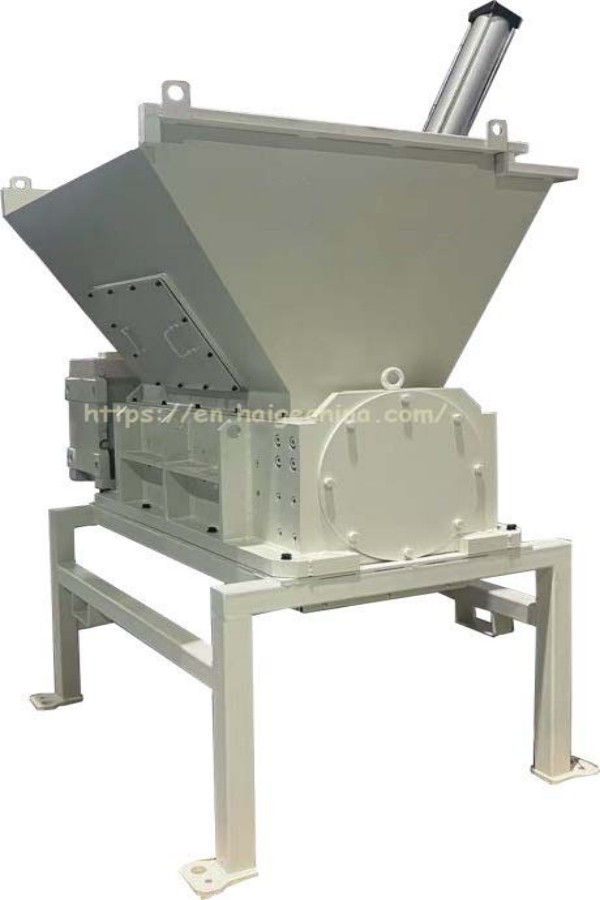
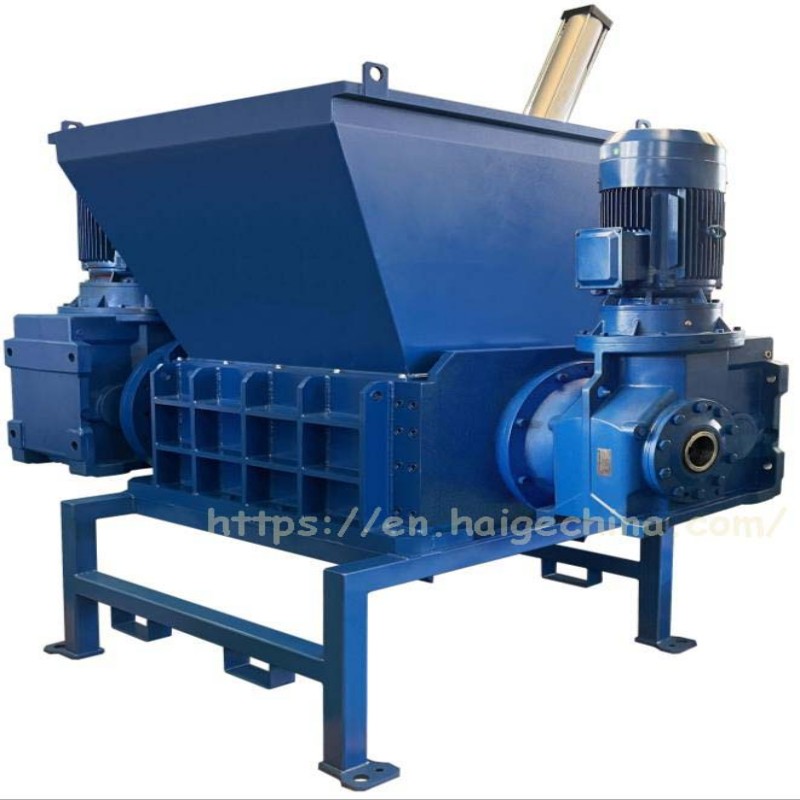
ZLTY Series Chip De-oiling Machines

ZLTY Series Chip De-oiling Machines

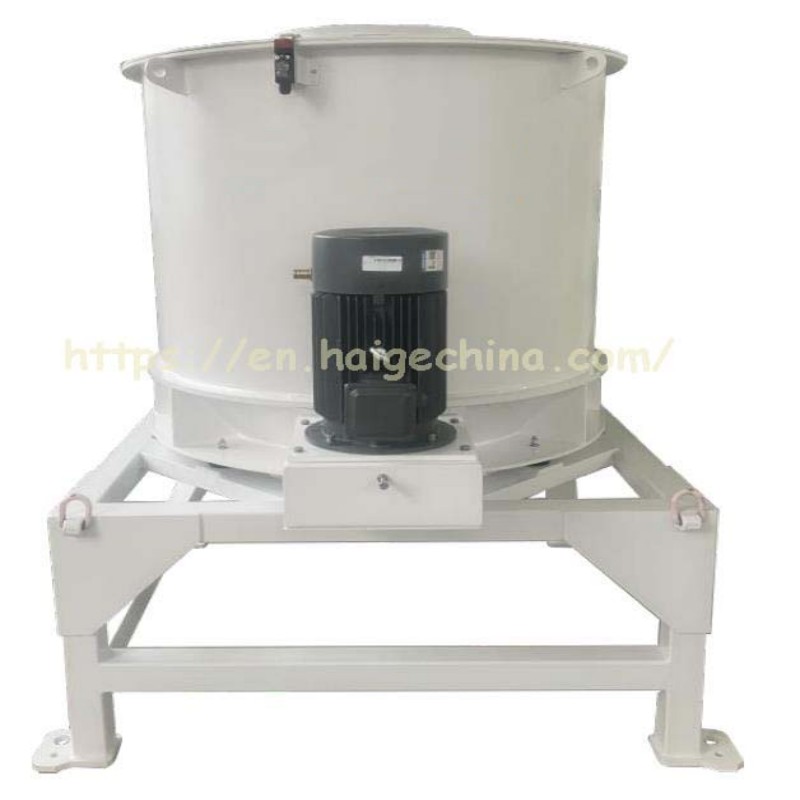
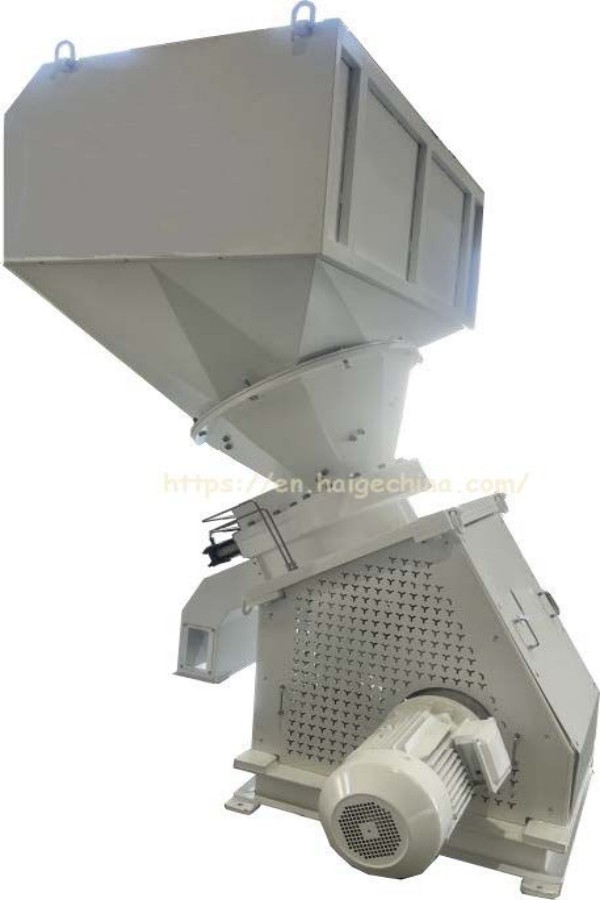
ZLTY series chip dryer is mainly used for separating the oil -chips from machine tools(like gear-cutting machines and gun-drills) using expensive coolant (cutting oil) as coolant. Oil-chips drop into the rotary drum of the dryer through a conveying device, and metal filings with coolant (cutting oil) are dried by the action of high-speed centrifugal force, so as to separate oil from the chips. It has a separating load of 100–1000 kg/h, with a drying rate ≥95%. The recycled liquid can be reused, thus making it economical and environmentally friendly.

Read More
ZLTF Series Lifting and Tipping Machines

ZLTF Series Lifting and Tipping Machines

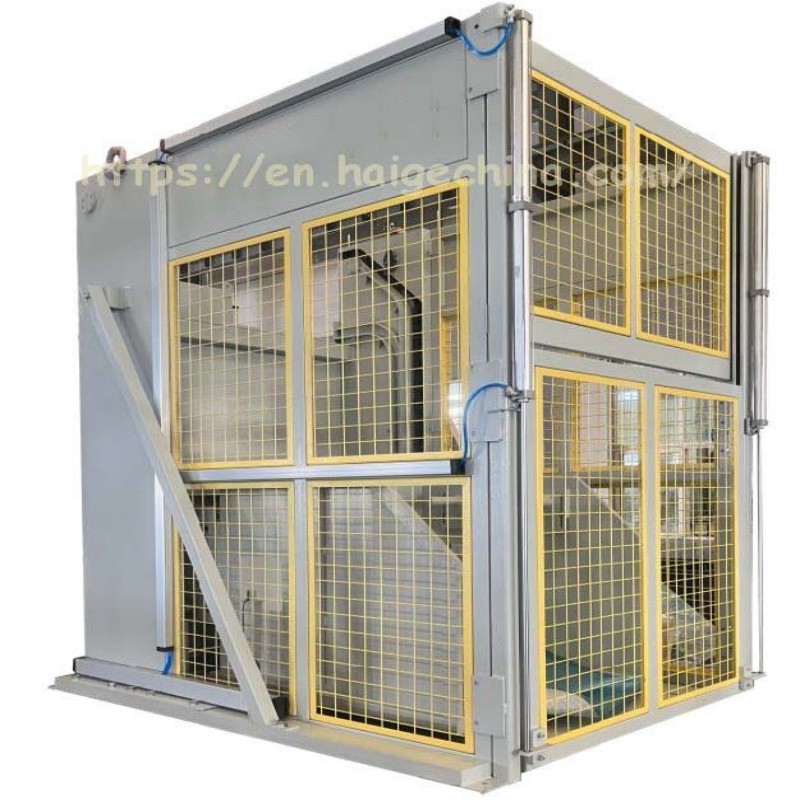
ZLTF series lifting and tipping machines are mainly used for the transfer and tipping of solid materials. When working, the chip collecting truck is lifted toa certain height, and the material is automatically inverted. The equipment is equipped with a limit interlock protection device and a protective device. When in use, it is driven by double chains, and the operation is stable and reliable.

Read More
High-pressure central water supply cooling system (for machine tools)

High-pressure central water supply cooling system (for machine tools)

The high-pressure central water cooling system adopts the two-stage filtration form of vortex separator + cloth bag filter. Vortex separators can effectively filter heavy foreign bodies such as cutting, and cloth bag filters can effectively filter light foreign bodies such as floating objects, ensuring that high precision coolant is provided to machine tools. The high pressure center outlet water system is compact in appearance, not limited by the installation site, convenient in maintenance and management, and especially suitable for high precision, high performance, high speed CNC machine tool cutting fluid supply.  This product is suitable for water soluble cutting fluid and other low viscosity fluids. System supply pressure 2–15 MPa can be designed and produced.

Read More
Chamfering Machine

Chamfering Machine

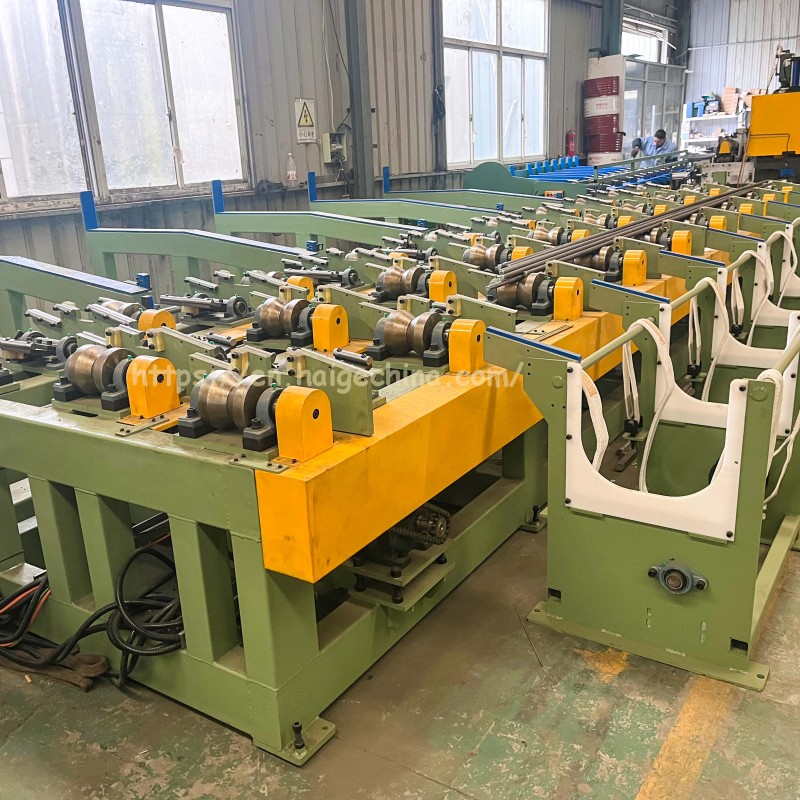
Double-bar dual-end Chamfering&facing and double-end chip removal device and conveying rack are all installed on the same body. The bar material is loaded to the left end facing device or the right end facing device through the dialing device on the roller table alternately. Two bars roll and slide into the double-station positioning V-groove. There are pulleys under the inner side of the V-groove. The cylinder pushes the bar on the pulley to the positioning block. The press cylinder on the double-facing device head drives the double V-shape holder to clamp the bar. Driven by the oil cylinder,the facing tool process the end surface.The left and right double facing devices process alternately. The jacking cylinder mechanism lifts the bar and convey the bar for the next double chamfering process (double pre-positioned V groove). The bar material was lifted and  slides down from the double pre-position slot to (the right ,the double-end chamfering v-groove), and the bar is pushed by the cylinder again to the right side of the double chamfering head. There is a positioning block in front of the head (pneumatic lifting block), the bar stops where the block positions, the block is lifted, and the pressure cylinder on the double chamfering head drives the double V-shaped clamp to clamp the right end of the bar and the double chamfering head begins the chamfering process. The bar material slides from the double chamfering V-groove on the right end and slides into the double chamfering V-groove on the left end, and pushes the bar on the pulley to the left double-chamfering head by the cylinder again. The left and right double-head chamfering is also processing alternately and repeatedly. The right machine head is fixed, the left head and the conveying rack are driven by hydraulic cylinders, which can be adjusted according to different bar materials, and the length of the bar to be processed can be adjusted on the operating table. Milled and chamfered products have no burrs and are smooth and flat. The milling depth of the end face can be adjusted from 3 to 5mm, and the chamfer size is 2 ~ 3 × 45 ° mm. The depth of the milling surface and the chamfer can be adjusted according to the actual situation of the incoming material. It is required that no new bending deformation should be caused to the bar during the processing.

Read More
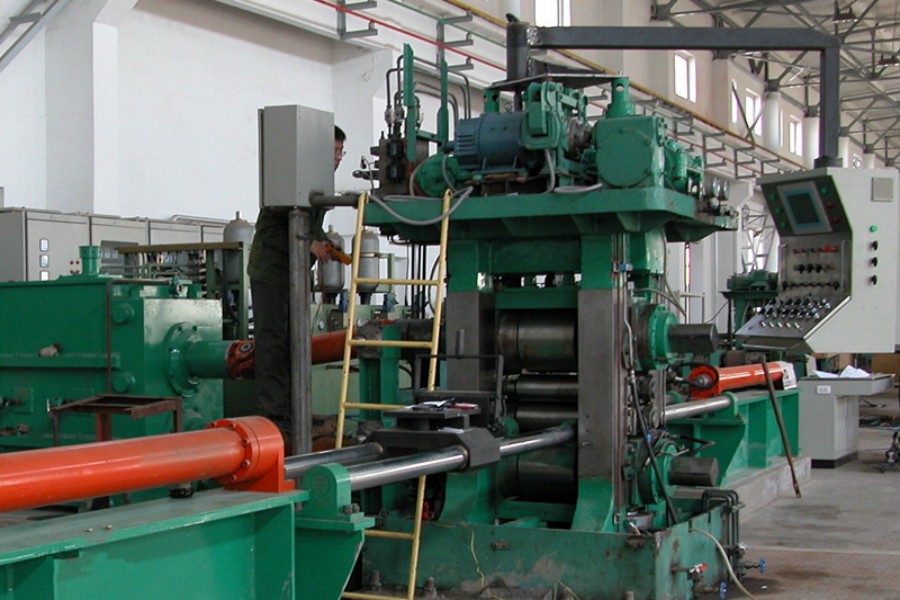
Bar Rolling Mill

Bar Rolling Mill

The working stand of roll mill is usually composed of roller, roller bearing, frame, rail support, roller adjustment device, up roller balance device and roller changing device. And other series of auxiliary processing equipment during rolling such as raw material preparation, heating, steel turning over , shearing, straightening, cooling, crack detection, heat treatment and pickling equipment. The type and size of finished or semi-finished rolling mill selection should be decided according to the machine variety, specification, quality and quantity, and with the consideration of necessary auxiliary, lifting transport and ancillary equipment. Finally the decision can be made referring to various kinds of factors to achieve a balanced choice.

Read More

How To Compare bar peeling machine manufacturer Options

Product Shortlist Guide

The related product list helps you compare China Cheap OEM Wholesale Buy Best Famous Discount CE Certification High-Quality ODM Bar Peeling Machine Manufacturer Manufacturer, Factory, Suppliers, Exporter by actual product direction rather than keyword wording alone. Check whether each product supports replacement sourcing, then use the table below to prepare a clearer RFQ.

Criterion What To Check Why It Matters Buyer Tip
RFQ response Ask reply time and quote format Speeds shortlist decisions Send one clear RFQ sheet
OEM/ODM scope Confirm branding, specs, drawings Fits private-label needs List must-have options first
Application match Share bar material and sizes Avoids wrong machine fit Attach sample specs
Bulk order prep Ask MOQ, packing, schedule Supports replacement sourcing Request phased delivery terms
Supplier comparison Compare service, documents, terms Quote price is not enough Use the same questions

How To Choose bar peeling machine manufacturer Supplier

A suitable bar peeling machine manufacturer should be evaluated by specification match, custom options, quotation clarity, and response speed. For replacement sourcing, buyers should explain the current machine reference, required bar range, material details, order plan, and packaging or documentation needs.

This page is designed to support product shortlist building. It helps private-label buyers compare related options, prepare better inquiry information, and ask suppliers the right questions before moving to samples, technical confirmation, or bulk order discussion.

Start with the replacement background. Share what you are currently using, what needs to change, and which specifications must remain stable. Useful details may include bar diameter range, material type, processing expectations, workshop conditions, and any drawings or photos available.

Next, define custom requirements early. Private-label buyers may need specific appearance details, nameplate information, packaging style, documentation, or matching accessories. Clear custom notes help the supplier decide whether a standard model, adjusted configuration, or ODM discussion is more suitable.

Before requesting a quotation, prepare the expected quantity, destination port or delivery area, preferred trade terms, target timeline, and approval process. If the order may be repeated, ask how technical confirmation, inspection, packaging consistency, and lead-time communication are handled.

When comparing suppliers, look beyond the first price. A useful reply should address your application, ask relevant follow-up questions, and provide enough quotation information for internal review. Fast, specific communication is often important when building a replacement sourcing shortlist.

Criteria Importance Description Example Options
Response clarity High Shows quoting efficiency Answers technical questions directly
Customization scope High Fits OEM or ODM needs Diameter range and controls
Quotation detail High Supports supplier comparison Specs, options, exclusions
Packaging discussion Medium Reduces receiving issues Export packing requirements
Lead-time explanation Medium Sets realistic planning Timeline by configuration

Top Product Matches

Recommended Products

Top product matches should be reviewed by fit, specification clarity, customization readiness, and how well they support product shortlist building. Use these factors to shortlist practical options before contacting the supplier.

Top Selling Product Selection Factors

Quotation speed Key for shortlisting
Custom option clarity OEM/ODM check point
Specification matching Confirms application fit
Packaging detail Needed for bulk orders
Lead-time transparency Supports sourcing plans

Blog Articles / Reviews

How to Choose a Bar Peeling Machine for Round Bar Surface Defect Removal

How to Choose a Bar Peeling Machine for Round Bar Surface Defect Removal

For round bar producers, steel mills and machining material suppliers, a bar peeling machine is usually purchased to solve a very specific production problem: the incoming bar surface cannot meet the next process requirement. Hot-rolled bars may carry oxide scale. Forged or rolled bars may have shallow cracks, decarburized layers, rust or uneven outer surfaces. […]

Bar Peeling, Straightening and Burnishing: How to Build a Reliable Bright Bar Finishing Line

Bar Peeling, Straightening and Burnishing: How to Build a Reliable Bright Bar Finishing Line

For steel mills, bright bar producers and metal processing workshops, surface quality is not only a visual requirement. It affects downstream machining stability, straightness control, material utilization and the final confidence of the buyer. When round bars, tubes or wire rods enter the finishing workshop with oxide scale, shallow cracks, decarburized layers or bending, a […]

Why Centerless Lathes Matter for Precision Bar Surface Finishing

Why Centerless Lathes Matter for Precision Bar Surface Finishing

In metal bar production, surface quality is not only a visual requirement. For many steel, copper, titanium, magnesium and aluminum materials, surface cracks, oxide layers and decarburized layers can affect downstream machining, drawing, polishing, heat treatment and final product stability. A centerless lathe is designed to remove these surface defects efficiently while keeping the bar […]

Improving Bar Straightness Before Downstream Grinding and Polishing

Improving Bar Straightness Before Downstream Grinding and Polishing

Bar straightness is one of the most practical quality factors in metal finishing. Even when the surface has been peeled or turned correctly, poor straightness can create problems in grinding, polishing, drawing, inspection and automatic feeding. For bright bar production lines, straightening is not an optional step; it is often the link that keeps the […]

How Abrasive Belt Grinding Supports Bright Bar Surface Quality

How Abrasive Belt Grinding Supports Bright Bar Surface Quality

Bright bar surface quality depends on more than one machine. In many production lines, abrasive belt grinding and polishing equipment is used after peeling, turning or straightening to improve surface appearance, remove fine marks and prepare the material for higher-value applications. A well-configured grinding process can make the final product more consistent and easier to […]

Recent review notes can help buyers understand how others approach application details, related product shortlisting, custom project planning, and specification checks before contacting a supplier.

Natalie R. Chen August 22, 2026
I used this tag page to frame questions for a bar peeling machine manufacturer, especially about bar size range, surface expectations, and downstream handling.
Miles T. Garner August 18, 2026
I was comparing potential bar peeling machine manufacturer partners, and the page helped me separate machine capability questions from general company background notes.
Priya S. Malhotra August 11, 2026
My procurement notes became clearer after reading the bar peeling machine manufacturer tag content because I could list material, tolerance, and maintenance questions together.
Evan K. Brooks July 29, 2026
I needed a concise sourcing reference for a bar peeling machine manufacturer, and this page helped me prepare a more focused inquiry for our engineering team.

Frequently Asked Questions

How can a private-label buyer use the China Cheap OEM Wholesale Buy Best Famous Discount CE Certification High-Quality ODM Bar Peeling Machine Manufacturer keyword when shortlisting suppliers?

Use the keyword as a sourcing label, then compare actual machine specifications, customization scope, communication responsiveness, and quotation completeness. Avoid relying on promotional wording alone when evaluating Yantai Haige Machine Tools Co., Ltd. or any alternative supplier.

What custom options should I clarify with a bar peeling machine manufacturer for replacement sourcing?

Clarify bar diameter range, material type, peeling allowance, surface finish target, feeding method, control preferences, tooling needs, and branding requirements. These details help the supplier judge feasibility before preparing an OEM or ODM quotation.

What information speeds up quotation communication with Yantai Haige Machine Tools Co., Ltd.?

Provide drawings or bar specifications, material grade, current machine issues, target output, required accessories, destination country, packaging expectations, and any documentation requests. Clear inputs reduce back-and-forth and help suppliers respond with a more useful proposal.

How should I prepare a bulk order inquiry for ODM bar peeling machines?

Prepare estimated quantity, project timeline, technical requirements, acceptance standards, labeling needs, spare parts expectations, and comparison products. For private-label sourcing, also state whether the request is for standard configuration, modified design, or deeper ODM cooperation.

What lead-time questions are appropriate without assuming fixed delivery promises?

Ask about estimated production schedule, customization impact, drawing confirmation steps, inspection arrangement, packaging preparation, and shipment coordination. Request a timeline based on your configuration instead of expecting a universal lead time for every bar peeling machine project.

What packaging requirements should be discussed before confirming a replacement bar peeling machine order?

Discuss moisture protection, export packing method, machine securing, accessory labeling, documentation placement, and private-label marks if needed. Packaging details should match transport route, handling conditions, and buyer receiving procedures rather than generic assumptions.

Leave Your Message

Send your bar range, material information, quantity plan, destination, packaging needs, and any replacement reference details. Clear information helps the supplier respond with a more practical quotation.