China Rolling Mill Buying Guide: OEM/ODM Wholesale Manufacturers | Yantai Haige Machine Tools Co., Ltd.

China Rolling Mill Buying Guide: OEM/ODM Wholesale Manufacturers

For a product development team building a new product line, Rolling Mill sourcing should begin with clear quality review criteria, not only price comparison. This page helps organize early evaluation around specifications, inspection points, documents, and supplier questions.

Use it to review China Cheap OEM Wholesale Buy Best Famous Discount CE Certification High-Quality ODM Rolling Mill Manufacturer, Factory, Suppliers, Exporter, Company, Products before preparing an RFQ. The goal is to make supplier comparison more structured and reduce unclear requirements.

Hot Selling Product

Bar Rolling Mill

Bar Rolling Mill

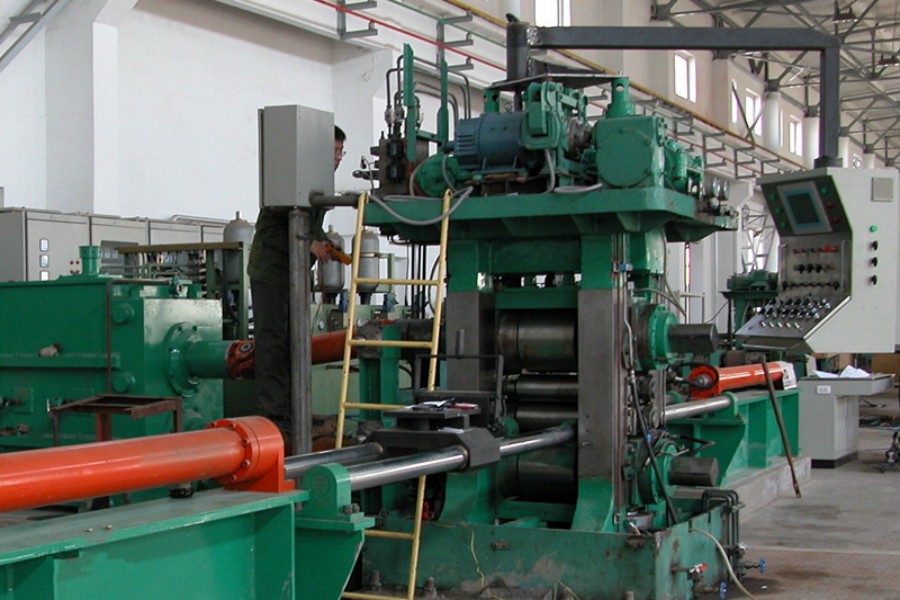
The working stand of roll mill is usually composed of roller, roller bearing, frame, rail support, roller adjustment device, up roller balance device and roller changing device. And other series of auxiliary processing equipment during rolling such as raw material preparation, heating, steel turning over , shearing, straightening, cooling, crack detection, heat treatment and pickling equipment. The type and size of finished or semi-finished rolling mill selection should be decided according to the machine variety, specification, quality and quantity, and with the consideration of necessary auxiliary, lifting transport and ancillary equipment. Finally the decision can be made referring to various kinds of factors to achieve a balanced choice.

Read More
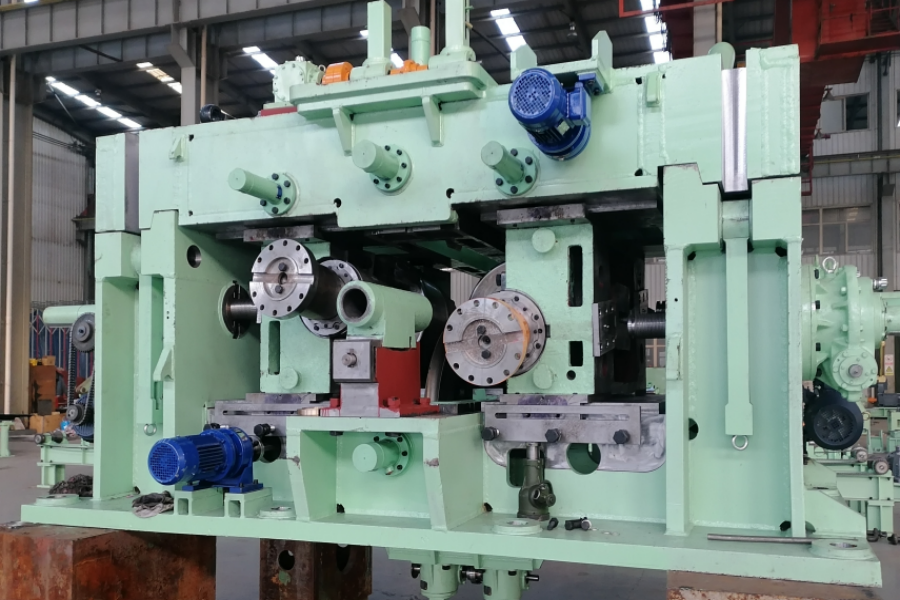
LG90-H Single line long stroke cold tube milling machine

LG90-H Single line long stroke cold tube milling machine

The main structure of LG cold tube rolling mill is composed of machine bed, rotary feeding mechanism, frame, a main motor, core rod, transmission system, electrical system, etc. With the development of technology, nowadays the rotary feeding mechanism has been evolved into single rotation, double feeding, double rotation, single feeding in,and double rotation double feeding in. And the usual feeding mode can be divided into mechanical feeding, photoelectric feeding, and servo feeding. The most critical part of one cold rolling mill is the frame, which includes roller, gear, rack, etc.. The working principle can be described as follows. By creating regular cavity by roller and mandrel, steel tube can be rolling milled taking advantage of elastic deformation of metal. The cold tube rolling mill machine can achieve cold rolling process to the shell using ring hole with relatively good first time rolling performance, and can process nonferrous metal seamless pipe of normal precision as well. The most obvious characteristic of cold mill is the high material utilization, with better precision and surface roughness than cold tube drawing machine.

Read More
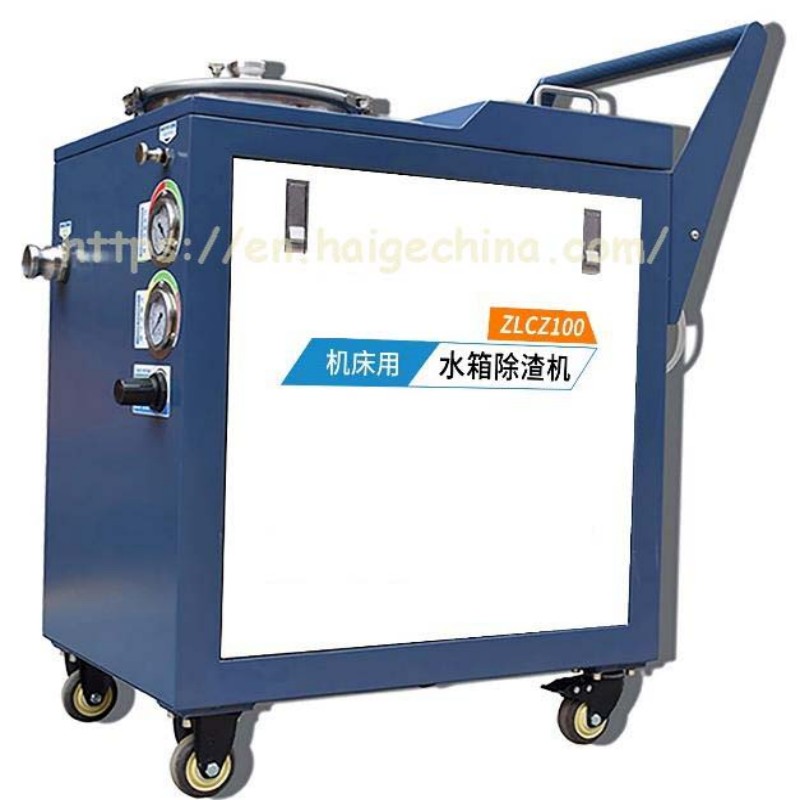
ZLCZ Series Debris Removers (for machine tools)

ZLCZ Series Debris Removers (for machine tools)

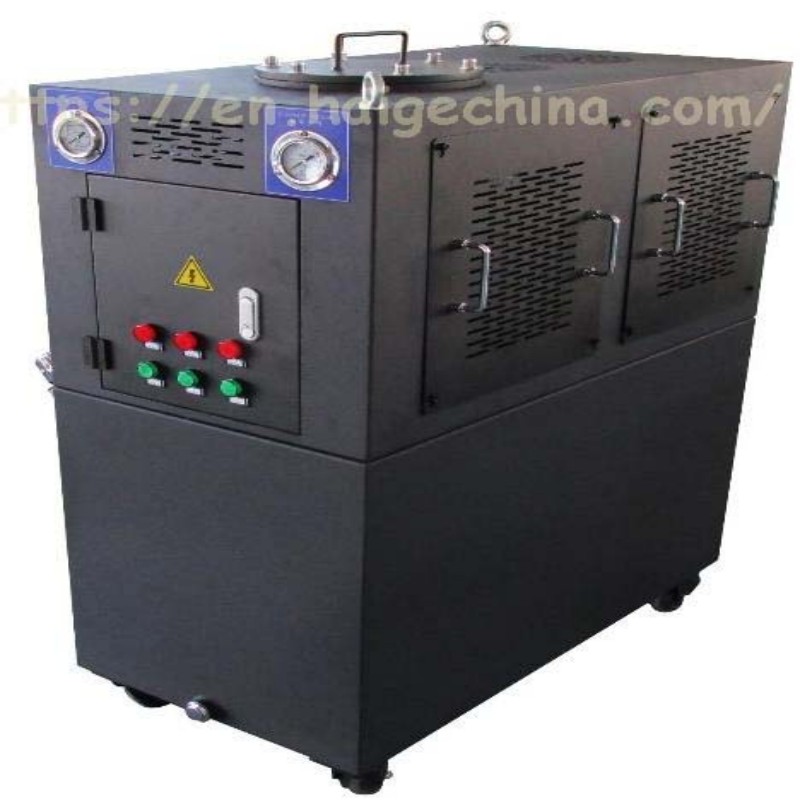
ZLCZ series slag remover is mainly applicable to the cleaning of metal and non-metal debris, sludge, etc. in the water tank of the machine tool. The main components of the machine include inlet and outlet pipe parts, filter barrel parts, water pump parts and box parts. The mixture of cutting fluid and metal debris is sucked into the filter barrel through the water inlet of the water pump, and the cutting fluid filtered by the filter screen is sent back to the cutting fluid pool, and the purpose of removing debris and debris is achieved by circulating filtration. This machine is plug free, the quick connector is plug and play, the machine tool is free of shut down, and can be cleaned at any time.

Read More
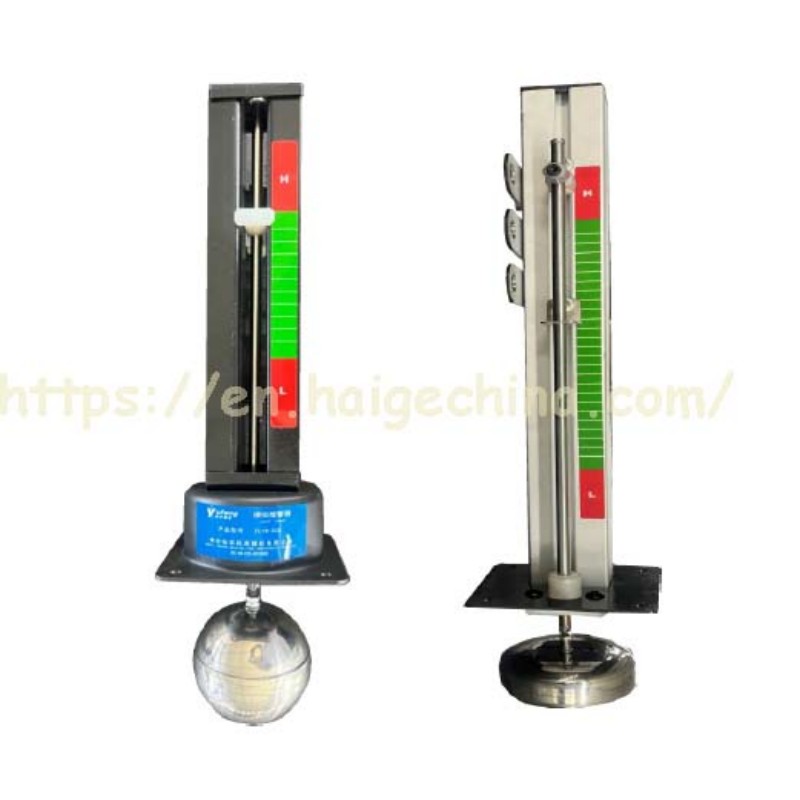
ZLYB Series Float-Type Liquid Level Alarms

ZLYB Series Float-Type Liquid Level Alarms

ZLYB series float ball level alarm is mainly used to control the level of liquid. When the level reaches the upper and lower switching values, the proximity switch sends out a signal to control the start and stop of the water pump. The device has the advantages of convenient installation and high reliability. The alarm point can be adjusted manually and set freely.

Read More
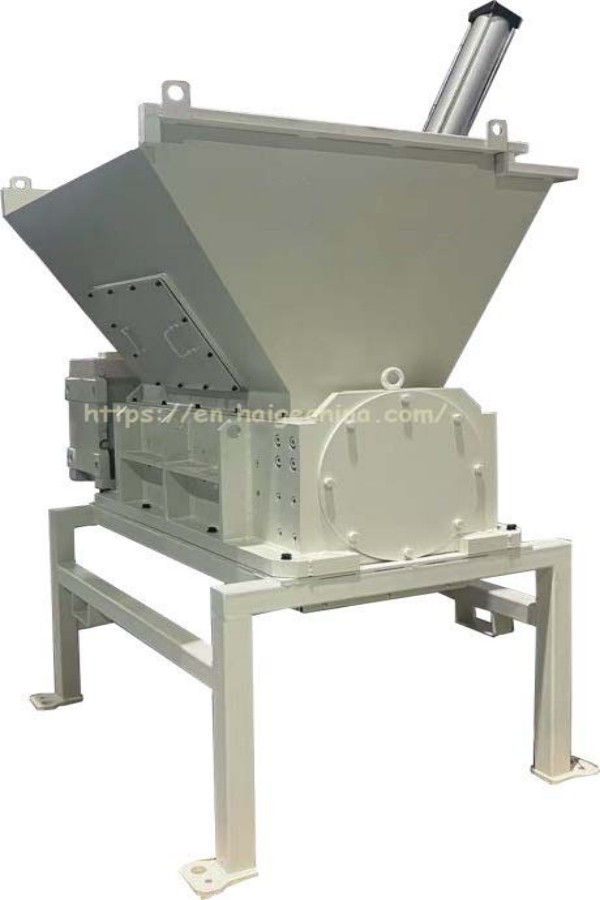
ZLFS Series Chip Shredders

ZLFS Series Chip Shredders

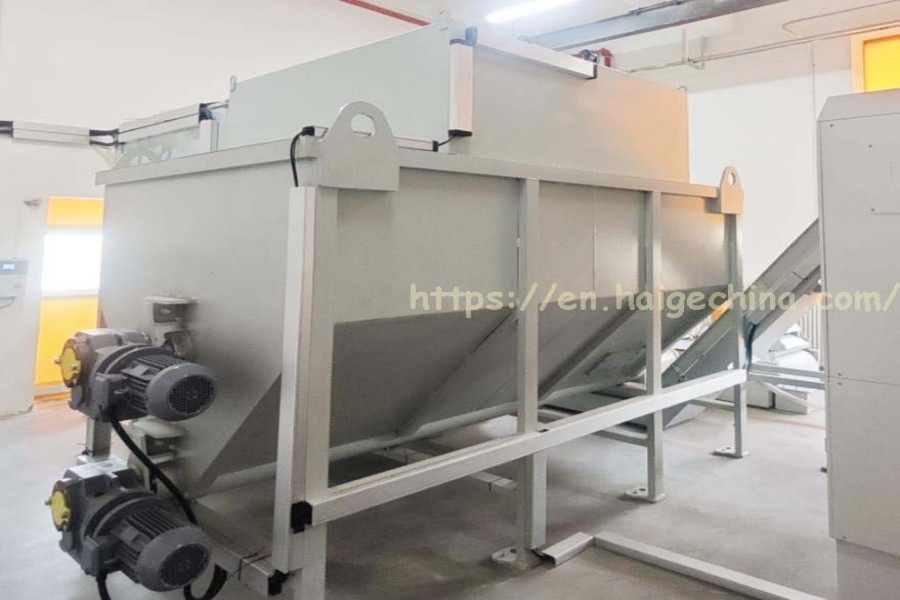
The ZLFS series iron chip crusher is a professional machine for crushing large metal chips to the required size. The cutter head of the pulverizer is made of high anti-wear material, and the blades are arranged in a spiral shape. It has the functions of tearing, extruding, and biting. This equipment can be controlled by PLC programming, and has the functions of automatic detection and overload protection. The iron chip crusher can effectively reduce the volume of chips, smash the long, roll and round chips discharged from the machine tool, facilitate transportation, and also serve as the front of various centralized transportation such as chip separation and drying, crushing, pump transportation, and air transportation.

Read More
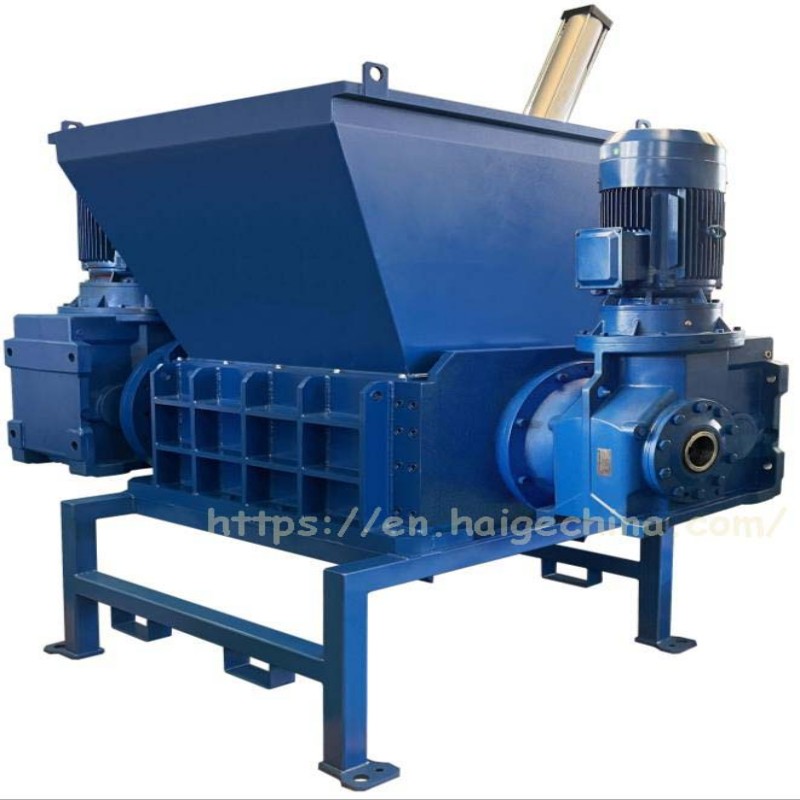
ZLFS-S Series Twin-Shaft Shredders

ZLFS-S Series Twin-Shaft Shredders

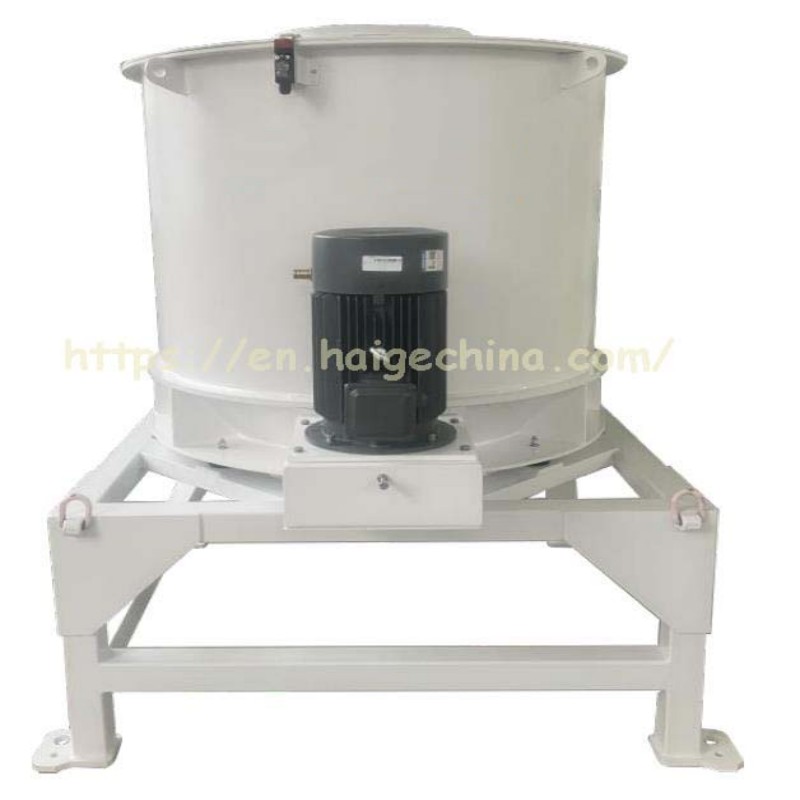
The twin-shaft shredder is a shredding machine designed for low-speed, high-torque shearing. It is particularly suitable for shredding large metal pieces, lumpy materials, or oversized materials packed into bales. The unit consists of two shafts with blades arranged in a spiral pattern; a gear motor drives the two shafts to rotate, and the materials are shredded through mutual shearing and pulling. This equipment features PLC programmable control and includes functions such as automatic overload detection and protection.

Read More

How To Compare Rolling Mill Options

Rolling Mill Product Guide

The related product list helps you compare China Cheap OEM Wholesale Buy Best Famous Discount CE Certification High-Quality ODM Rolling Mill Manufacturer, Factory, Suppliers, Exporter, Company, Products by actual product direction rather than keyword wording alone. Check whether each product supports new product line development, then use the table below to prepare a clearer RFQ.

Criterion What To Check Why It Matters Buyer Tip
Spec fit Match rolling force, width, speed Avoid redesign in new line Attach target part drawings
Quality inspection Ask for runout, hardness, assembly checks Confirms key process control Request inspection report format
Documentation Review manuals, wiring, CE files if needed Supports internal approval List required certificates in RFQ
OEM/ODM scope Confirm custom rolls, frame, controls Defines development limits Separate must-have and optional items
Quotation basis Compare tooling, lead time, packing, support Prevents unclear supplier comparison Use one RFQ template

How To Choose Rolling Mill Supplier

If you are searching for Rolling Mill suppliers, start by confirming the application, required model range, technical parameters, customization needs, and inspection expectations. A useful supplier response should connect the product recommendation with your working conditions and approval process.

For China Cheap OEM Wholesale Buy Best Famous Discount CE Certification High-Quality ODM Rolling Mill Manufacturer, Factory, Suppliers, Exporter, Company, Products, buyers should request quotation details, related product comparisons, sample confirmation options, technical files, quality check points, and after-sales communication terms.

Before sending an inquiry, define the purpose of the Rolling Mill in the new product line. Include material requirements, processing needs, installation space, target output, operating environment, and any limits that cannot be changed. This helps suppliers avoid giving only a general catalog reply.

Prepare RFQ information in a structured format. Share drawings, sample references, expected quantity, destination, preferred delivery schedule, voltage or configuration needs, and whether OEM or ODM support is required. If you are comparing related products, ask the supplier to explain the differences in function, structure, and suitable use.

For quality review, ask about inspection steps before shipment, key measurement points, available documentation, packaging checks, and how nonconforming details are handled. If CE-related documentation is important for your market, confirm what documents can be provided for the specific product and order scope.

When comparing supplier options, look beyond the first quoted price. Review how clearly each company answers technical questions, whether sample or pre-production confirmation is possible, and how after-sales support is communicated. Clear answers during RFQ preparation often make later project coordination easier.

Criteria Importance Description Example Options
RFQ Completeness High Defines scope clearly Drawings, capacity, materials
Customization Fit High Matches OEM/ODM needs Roller design options
Inspection Records High Supports quality review Dimension check sheet
Technical Communication Medium Reduces specification risk Clarified control system
Support Documentation Medium Aids use and maintenance Manuals, spare list

Top Product Matches

Recommended Products

Top product matches should be reviewed by fit, specification clarity, customization readiness, and how well they support quality review. Use these factors to shortlist practical options before contacting the supplier.

Top Selling Product Selection Factors

Specification clarity Drives accurate quotation
Inspection records Key quality review item
OEM/ODM flexibility Useful for custom line
Technical documentation Supports approval workflow
After-sales response Check service terms

Blog Articles / Reviews

Bar Peeling, Straightening and Burnishing: How to Build a Reliable Bright Bar Finishing Line

Bar Peeling, Straightening and Burnishing: How to Build a Reliable Bright Bar Finishing Line

For steel mills, bright bar producers and metal processing workshops, surface quality is not only a visual requirement. It affects downstream machining stability, straightness control, material utilization and the final confidence of the buyer. When round bars, tubes or wire rods enter the finishing workshop with oxide scale, shallow cracks, decarburized layers or bending, a […]

How to Choose a Bar Peeling Machine for Round Bar Surface Defect Removal

How to Choose a Bar Peeling Machine for Round Bar Surface Defect Removal

For round bar producers, steel mills and machining material suppliers, a bar peeling machine is usually purchased to solve a very specific production problem: the incoming bar surface cannot meet the next process requirement. Hot-rolled bars may carry oxide scale. Forged or rolled bars may have shallow cracks, decarburized layers, rust or uneven outer surfaces. […]

Why Centerless Lathes Matter for Precision Bar Surface Finishing

Why Centerless Lathes Matter for Precision Bar Surface Finishing

In metal bar production, surface quality is not only a visual requirement. For many steel, copper, titanium, magnesium and aluminum materials, surface cracks, oxide layers and decarburized layers can affect downstream machining, drawing, polishing, heat treatment and final product stability. A centerless lathe is designed to remove these surface defects efficiently while keeping the bar […]

Improving Bar Straightness Before Downstream Grinding and Polishing

Improving Bar Straightness Before Downstream Grinding and Polishing

Bar straightness is one of the most practical quality factors in metal finishing. Even when the surface has been peeled or turned correctly, poor straightness can create problems in grinding, polishing, drawing, inspection and automatic feeding. For bright bar production lines, straightening is not an optional step; it is often the link that keeps the […]

How Abrasive Belt Grinding Supports Bright Bar Surface Quality

How Abrasive Belt Grinding Supports Bright Bar Surface Quality

Bright bar surface quality depends on more than one machine. In many production lines, abrasive belt grinding and polishing equipment is used after peeling, turning or straightening to improve surface appearance, remove fine marks and prepare the material for higher-value applications. A well-configured grinding process can make the final product more consistent and easier to […]

Export Packaging and Service Support for Metal Finishing Equipment Projects

Export Packaging and Service Support for Metal Finishing Equipment Projects

For overseas machinery projects, equipment performance is only one part of the buying decision. Export packaging, loading arrangement, spare parts preparation, installation guidance and after-sales communication all affect whether the project can move smoothly from factory delivery to production start-up. This is especially important for large metal finishing equipment and complete bright bar production lines. […]

These review prompts reflect common B2B sourcing situations, including shortlisting related products, planning a custom project, checking product specifications, and comparing supplier options.

Marcus L. Hensley August 21, 2026
I used the Rolling Mill page to separate must-have rolling capacity, material range, and control preferences before sending our technical inquiry.
Elena S. Duarte August 14, 2026
The Rolling Mill content helped me ask more focused questions about roll configuration, line integration, and maintenance access during supplier discussions.
Graham T. Ellis August 6, 2026
I referenced this Rolling Mill tag page while comparing equipment options, and it kept our team aligned on throughput needs and space constraints.
Nadia R. Patel July 29, 2026
Before drafting our rolling mill request, I used the page to organize material thickness, finished profile goals, and operator workflow questions.

Frequently Asked Questions

What quotation information should a product development team provide for an OEM or ODM Rolling Mill RFQ?

Include target application, material type, forming requirements, capacity expectations, roller specifications, control preferences, drawings if available, inspection needs, packaging requirements, and any requested documentation so the China manufacturer can review feasibility accurately.

How can we compare Rolling Mill products when shortlisting China factory, supplier, exporter, or company options?

Compare technical scope, customization ability, machining and assembly checkpoints, documentation support, communication on specifications, and after-sales response process. Avoid judging only by cheap, discount, or wholesale wording without reviewing quality evidence.

What sample confirmation steps are useful before buying high-quality Rolling Mill products for a new line?

Confirm drawings, key dimensions, material contact areas, roller hardness targets, functional test items, surface finish expectations, and documentation format. A structured sample review helps reduce misunderstandings before wholesale or customized production discussions.

Which technical details should be checked for a custom Rolling Mill specification review?

Review rolling width, roller diameter, pass design, drive method, speed control, frame rigidity, alignment method, lubrication points, guarding layout, and interface requirements. These details help align OEM or ODM design with production goals.

What quality inspection points should be documented for CE Certification related Rolling Mill evaluation?

Document dimensional checks, assembly alignment, electrical component review, guarding inspection, emergency stop verification, noise or vibration observations, trial operation results, and traceable inspection records. Certification needs should be discussed with the supplier early.

What after-sales support questions should be asked before selecting a Rolling Mill manufacturer or supplier?

Ask about installation guidance, troubleshooting process, spare parts identification, maintenance documentation, operator training materials, and response channels. Clear support expectations help the product development team manage risk after purchase and commissioning.

Leave Your Message

Send your Rolling Mill requirements with drawings, quantity range, technical details, destination, and quality documentation needs so the supplier can provide a more accurate quotation.