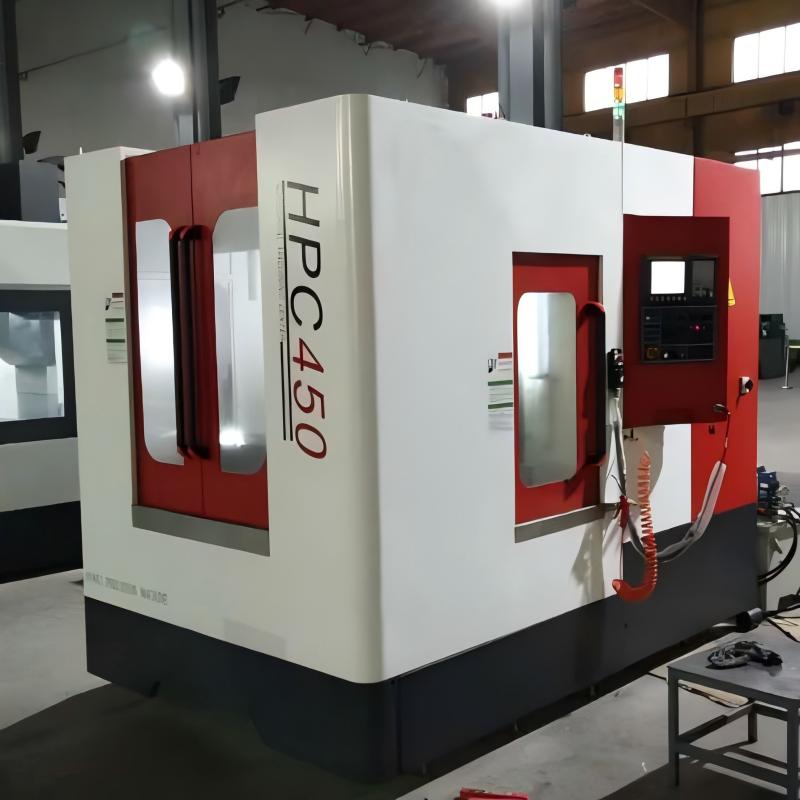
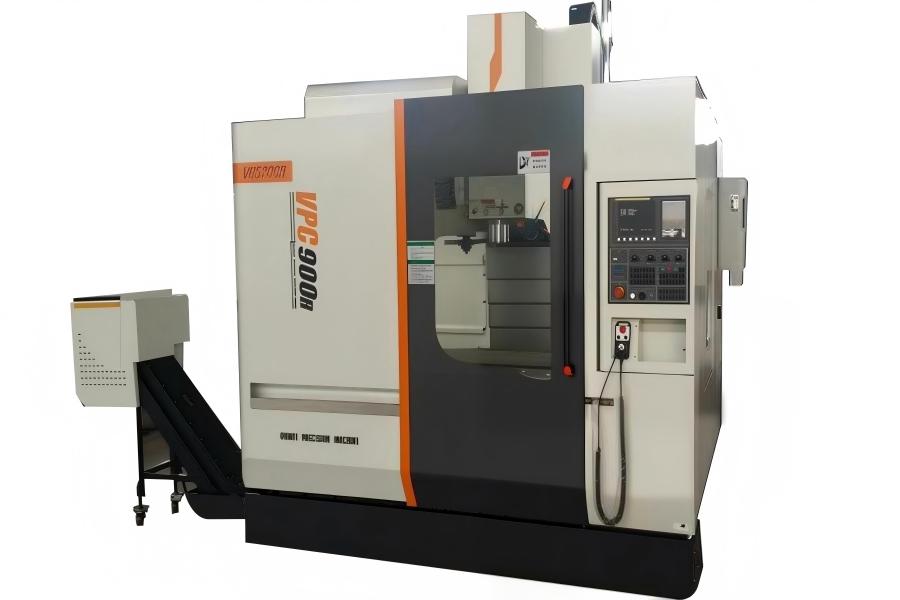
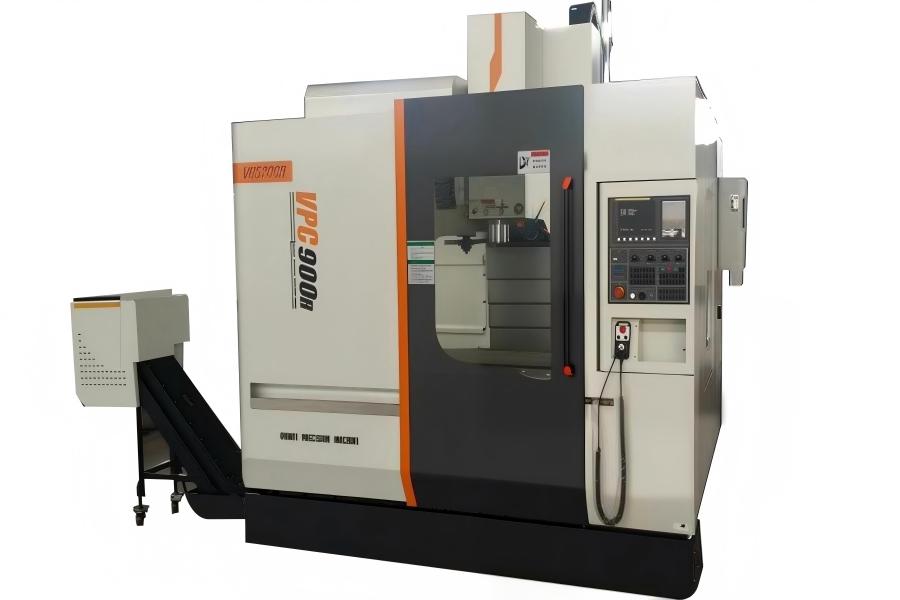
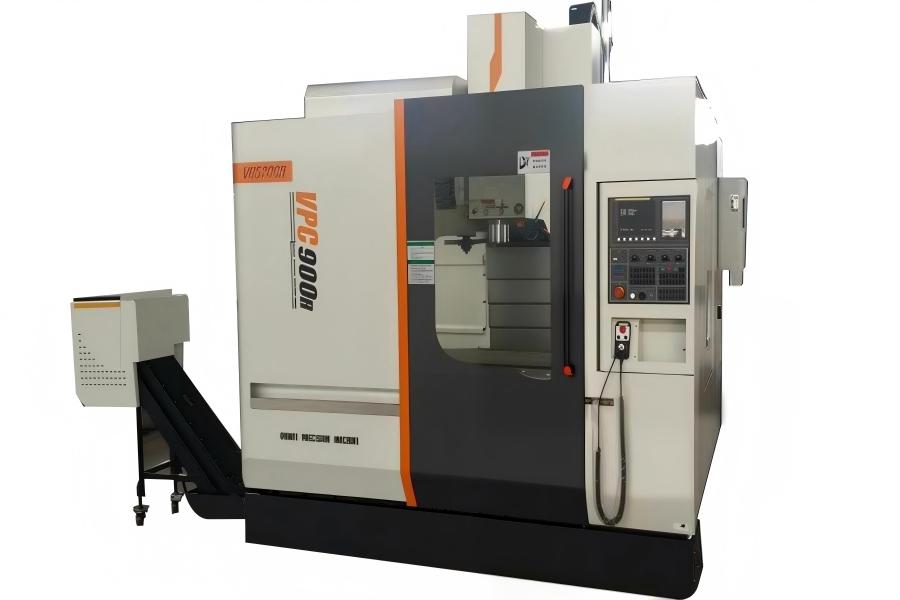
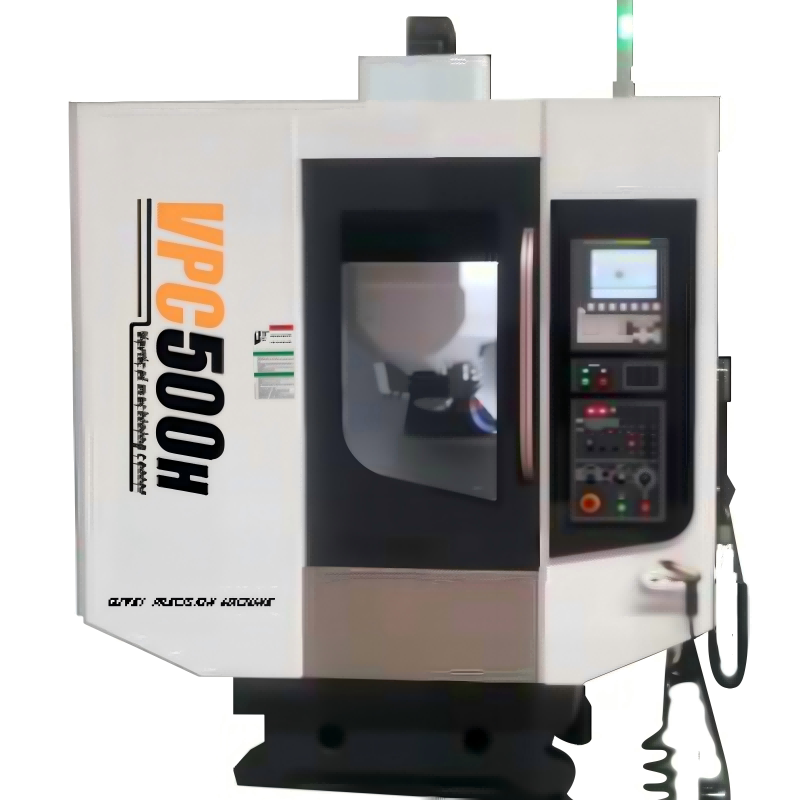
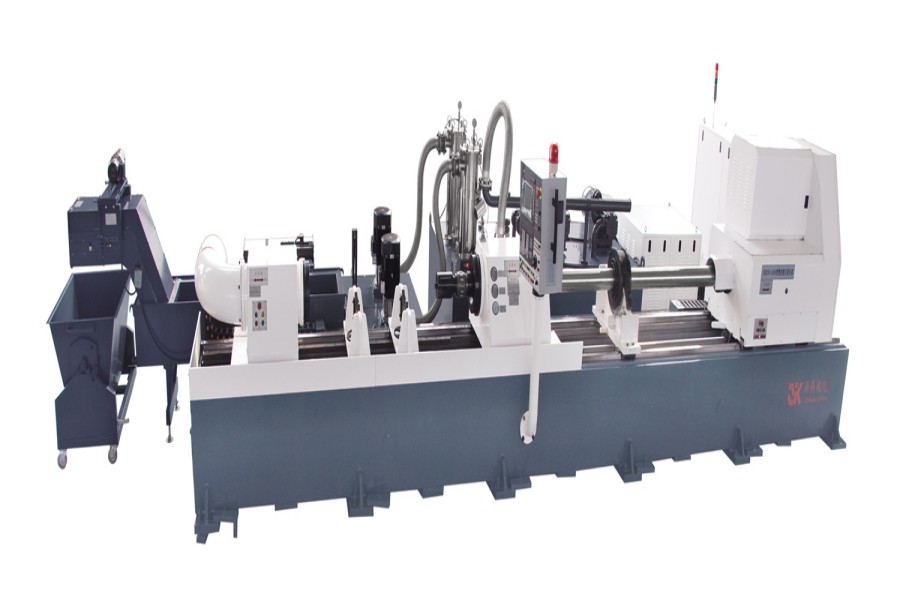
If you are searching for CNC Machining Centres for export purchasing, start by matching the machine type, working range, spindle requirements, control configuration, and processing application to your production plan. Then request details on documentation, sample confirmation, inspection steps, and service response.
A useful RFQ should include drawings or part references, target materials, quantity plan, destination, required accessories, and any OEM or ODM expectations. This helps a manufacturer, factory, supplier, exporter, or company provide a more relevant quotation instead of a generic product list.
Begin with application matching. List the parts to be machined, material type, tolerance expectations, processing steps, and available workshop conditions. For CNC Machining Centres, installation space, power supply, foundation needs, tooling plans, and operator familiarity can affect the final selection.
For RFQ preparation, provide more than a price target. Share the expected order quantity, export destination, preferred delivery schedule, packaging needs, and whether CE Certification or other documents are required for your market. If your project involves OEM or ODM cooperation, describe branding, configuration, and technical adjustment needs clearly.
Ask suppliers to explain related product differences, such as vertical or horizontal structure, axis configuration, table size, spindle speed, tool magazine capacity, and control system options. This makes product comparison more practical and helps your purchasing team identify which model fits the application rather than only comparing discount pricing.
Before confirming an order, discuss sample or trial confirmation where applicable, quality check procedures, installation guidance, spare parts support, and after-sales communication. A complete reply should help you evaluate technical fit, export readiness, and long-term usage support.