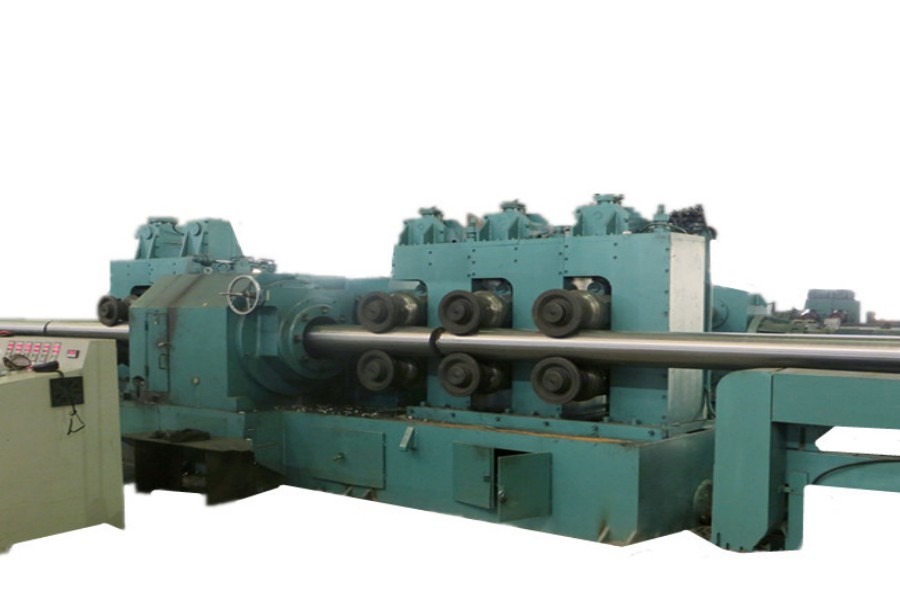
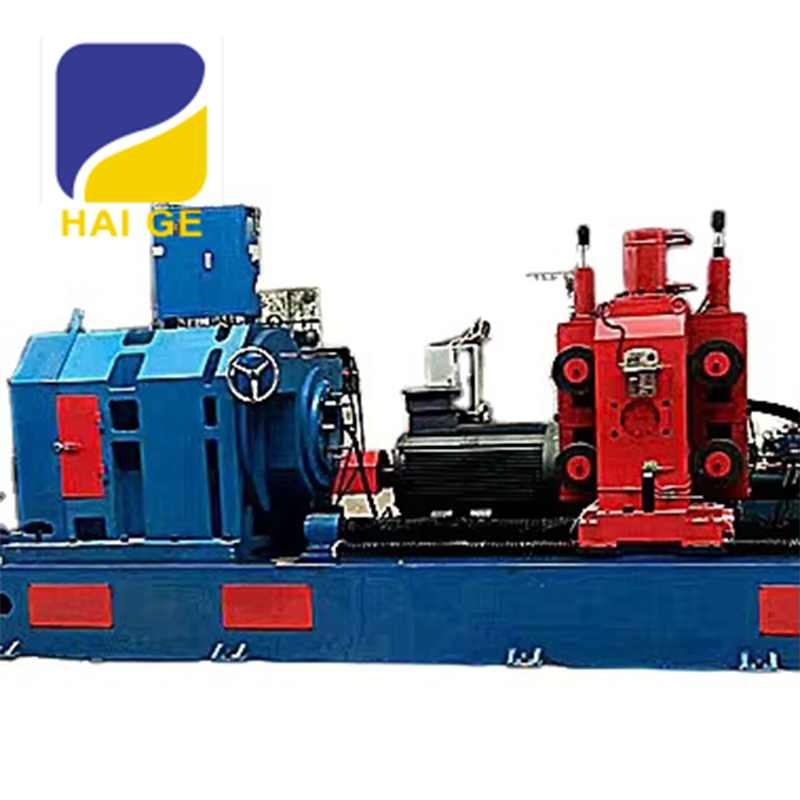
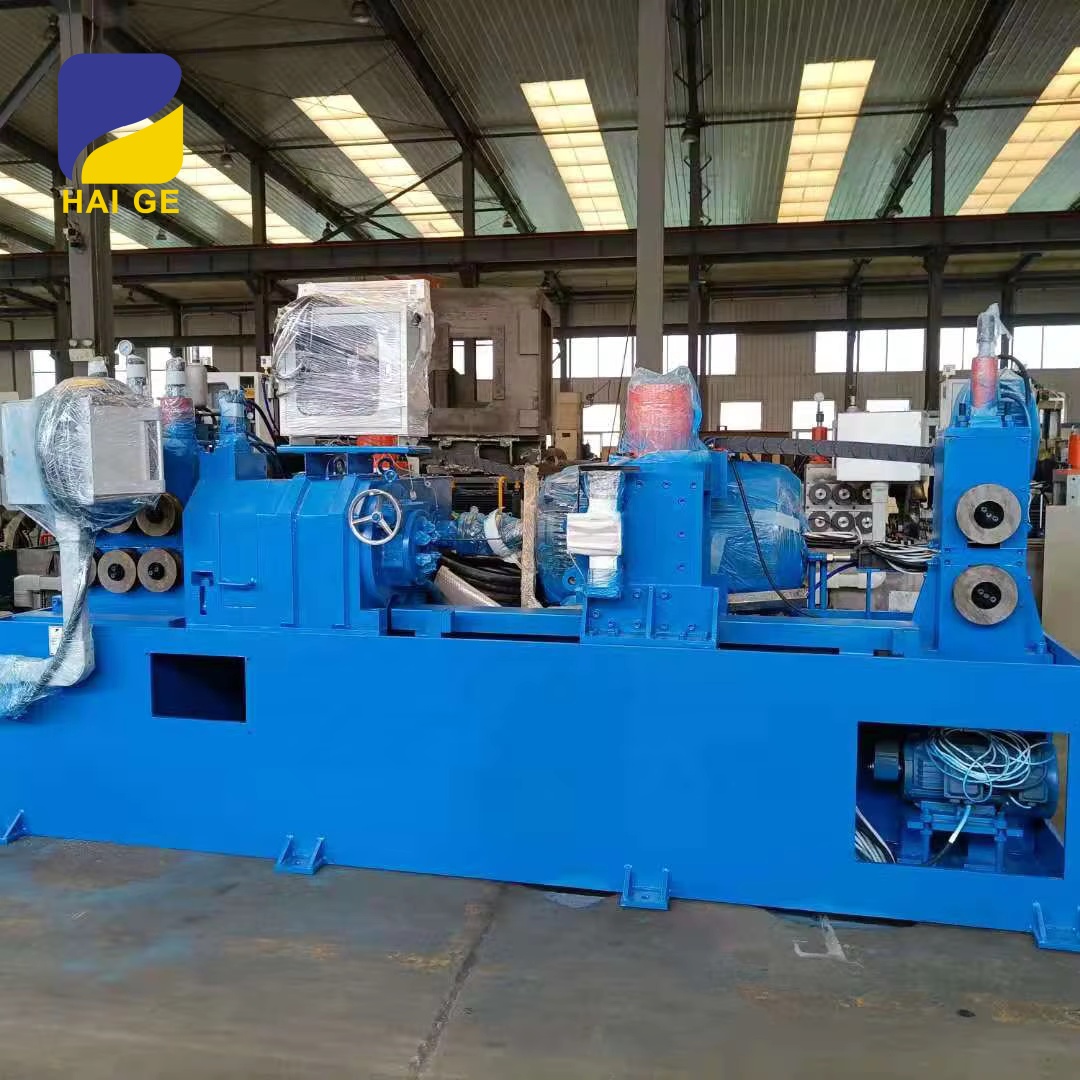
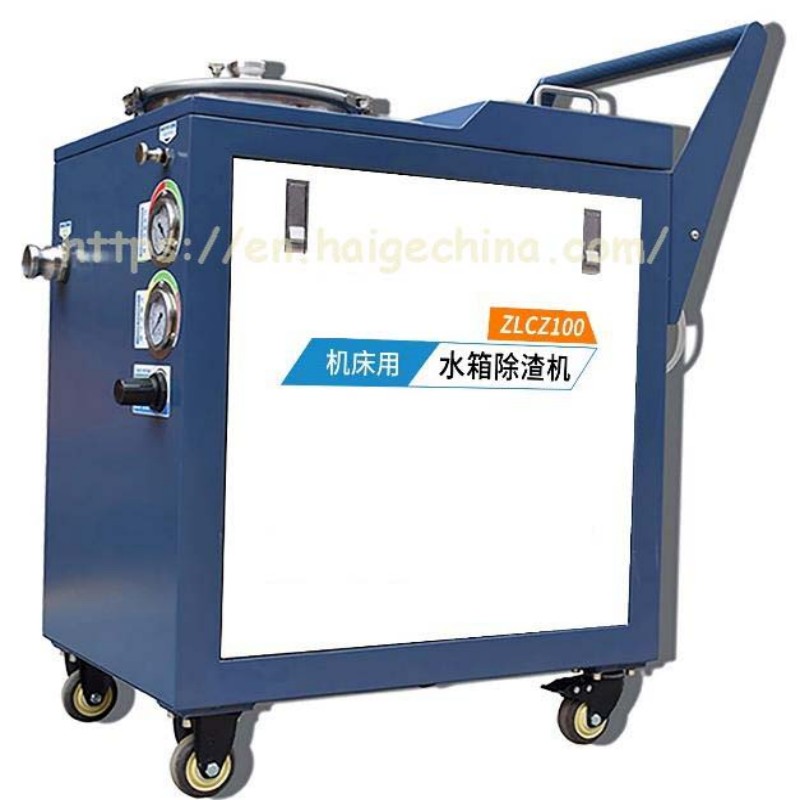
New centerless grinding machine exporters should be evaluated by application fit, available specifications, customization options, packing method, export documentation support, and communication clarity. For an import distributor, the right supplier is not only a price source but also a partner that can respond to project details.
Before requesting a quote, share the workpiece type, expected accuracy range, order quantity, destination market, preferred packing method, and any OEM or ODM needs. This helps suppliers confirm whether their machine configuration and export handling match your sourcing plan.
Start your shortlist by defining the application. Confirm the workpiece material, size range, grinding requirement, production volume, and any factory layout limits. These details help exporters recommend a suitable centerless grinding machine instead of sending only a general catalog.
For customization planning, list the options you need before comparing prices. This may include control system preferences, feeding method, safety configuration, color, branding, accessories, voltage, language requirements, or documentation format. Clear custom notes reduce repeated clarification during supplier communication.
Because packing method and export handling are key decision points, ask how the machine will be protected for sea or land transport, what packing materials are used, and which documents can be provided for customs clearance. If your customer has unloading or storage limits, share them early.
When preparing for a bulk order, compare lead-time answers, inspection steps, spare parts availability, after-sales support process, and how technical questions are handled after delivery. A practical RFQ should include quantity range, destination port, target schedule, and any required approval steps.