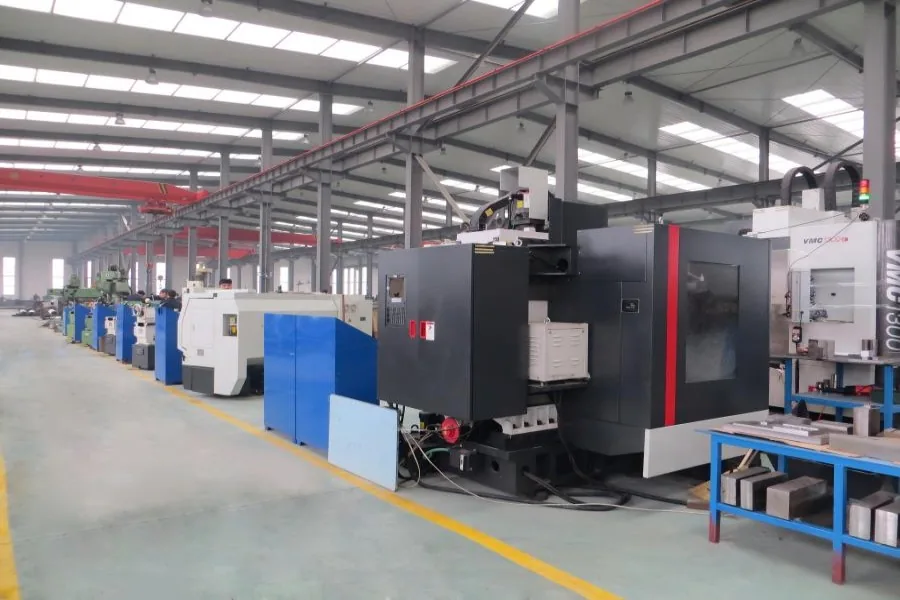
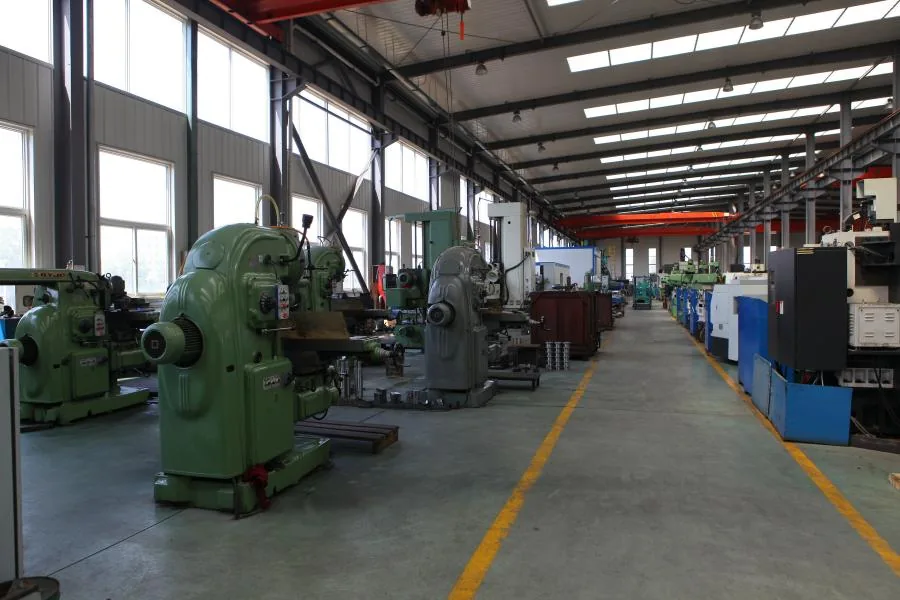
Centerless Grinding Equipment should be sourced by matching the machine configuration to the workpiece type, tolerance needs, production volume, and required finishing process. For OEM projects, the first question is whether the supplier can support your target application and explain the available customization options.
When comparing manufacturers, factories, suppliers, or exporters, share drawings, sample requirements, quantity range, destination, and any certification or packaging needs. Ask for clear feedback on feasibility, sample approval steps, lead time, and what must be confirmed before bulk ordering.
Start with the application. Define the part material, diameter range, length range, surface finish expectations, and whether the project needs through-feed or in-feed grinding support. Clear application details help the supplier recommend a more suitable Centerless Grinding Equipment option instead of a generic model.
For OEM planning, list the custom points early. These may include control configuration, feeding method, tooling needs, guarding, color, branding, spare parts package, documentation, and packaging requirements. If CE Certification or other documents are needed for the destination market, ask what can be provided and what must be verified before order confirmation.
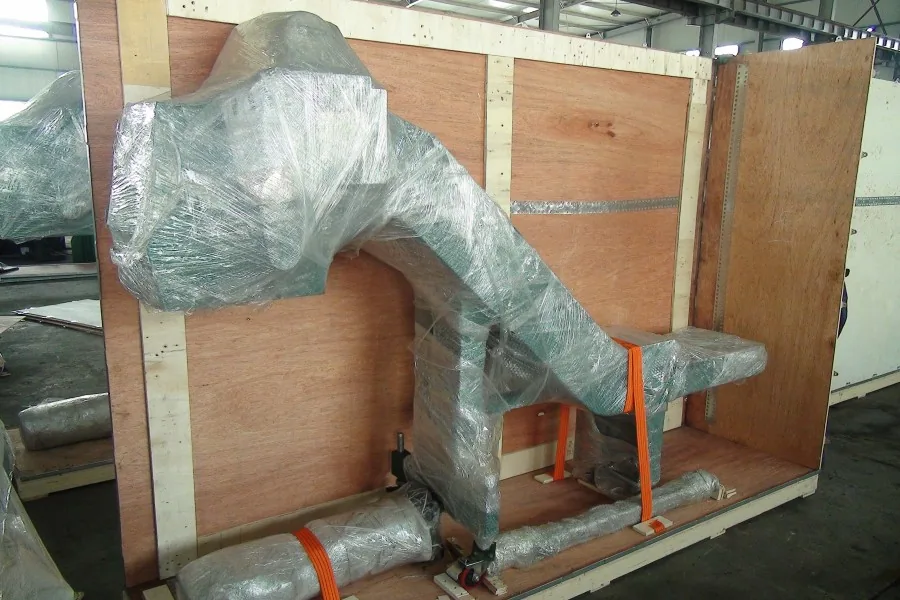
Before requesting a price, prepare the estimated order quantity, sample approval process, inspection expectations, shipment destination, and preferred delivery schedule. A complete RFQ allows the supplier to quote with fewer assumptions and gives your team a better basis for comparing options.
When reviewing replies, look beyond discount pricing. Compare how clearly each supplier explains application matching, customization limits, sample timing, bulk order preparation, packing details, and after-sales communication. A supplier that asks practical questions is often easier to shortlist for an OEM project.