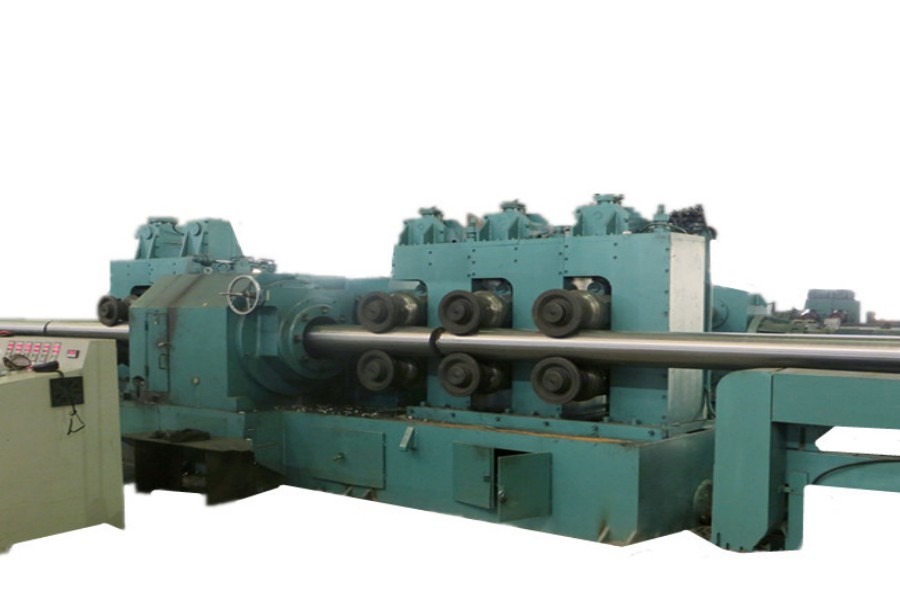
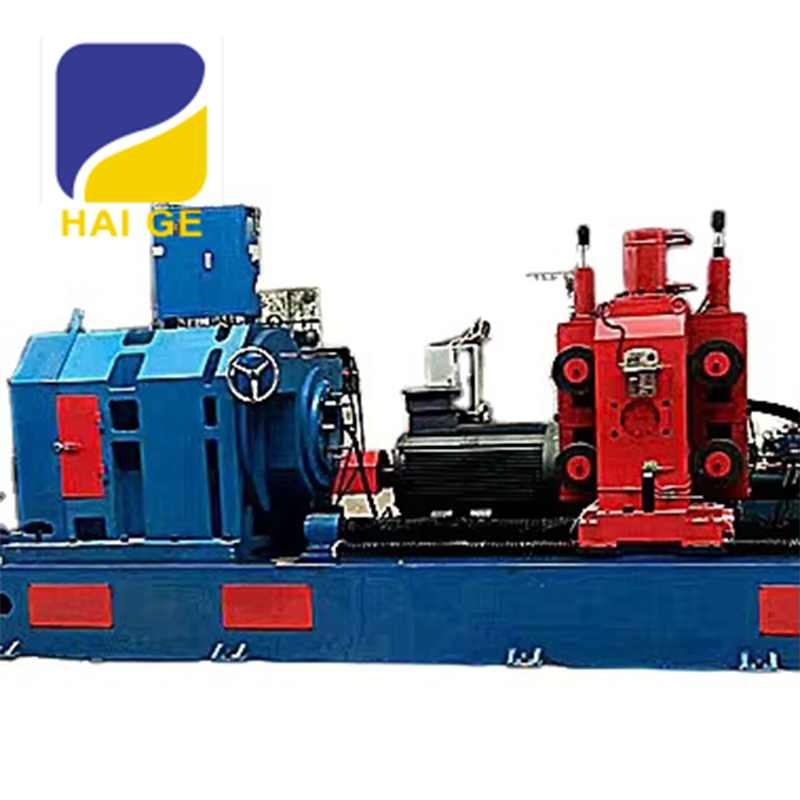
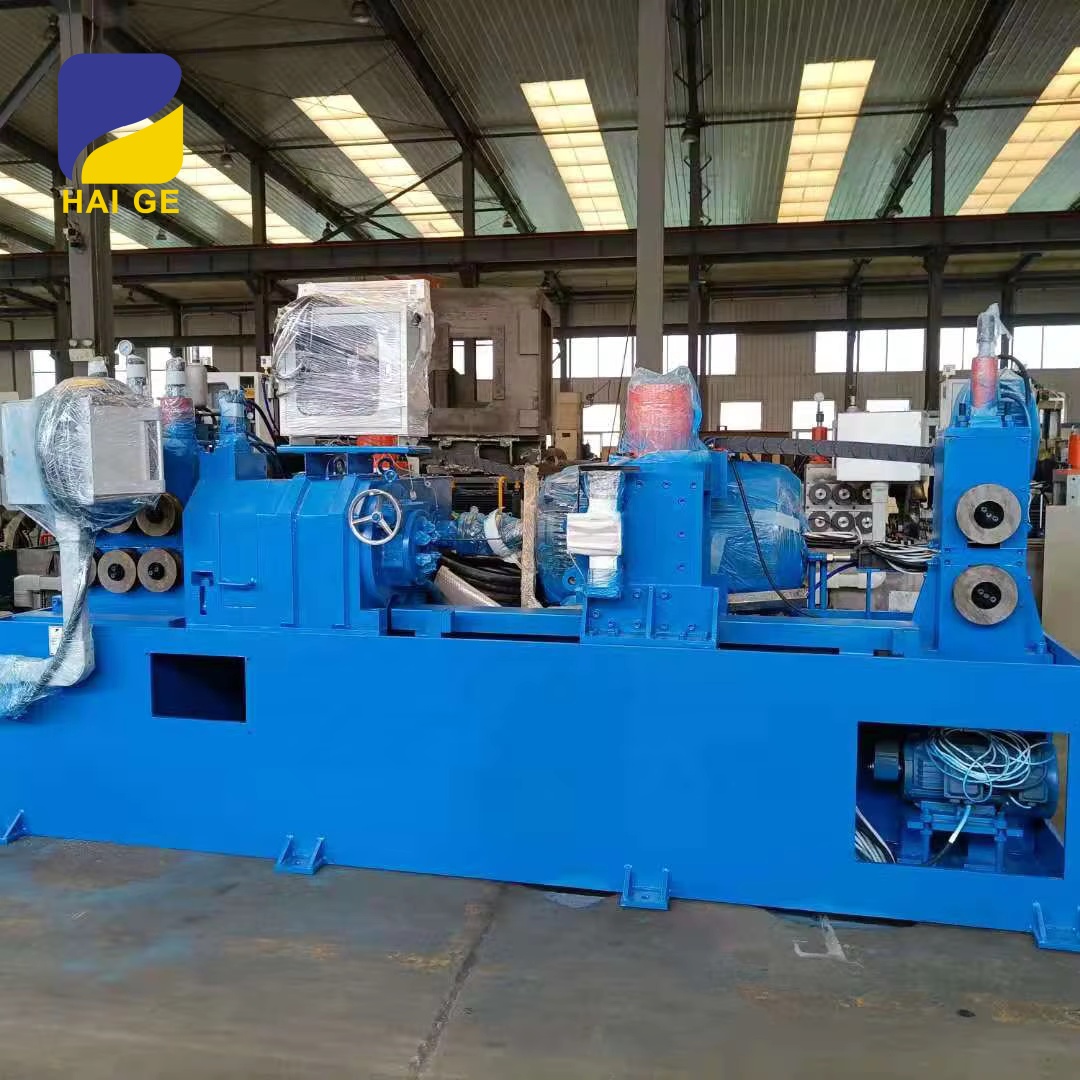
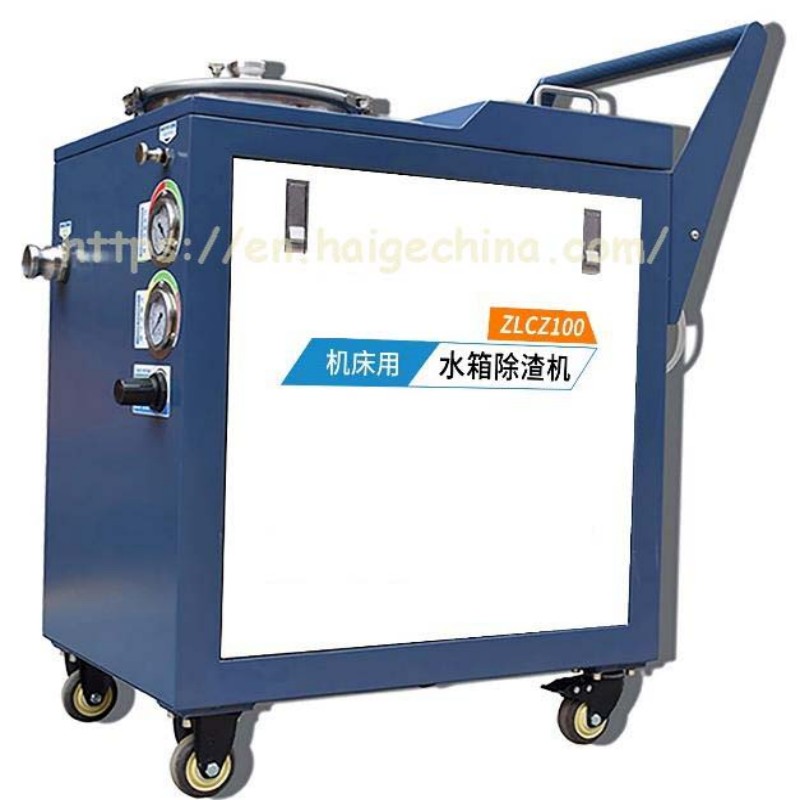
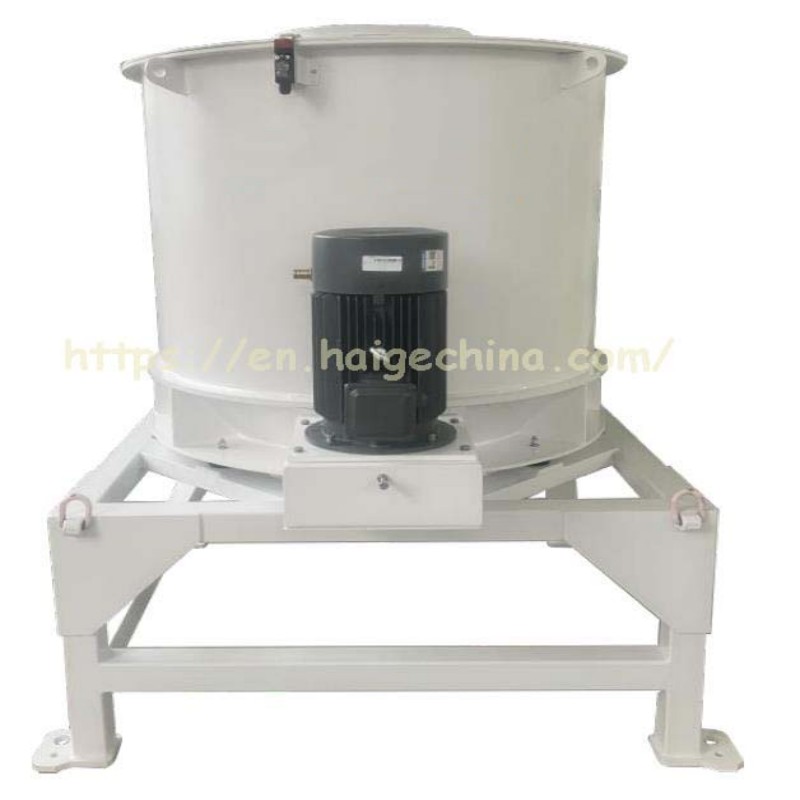
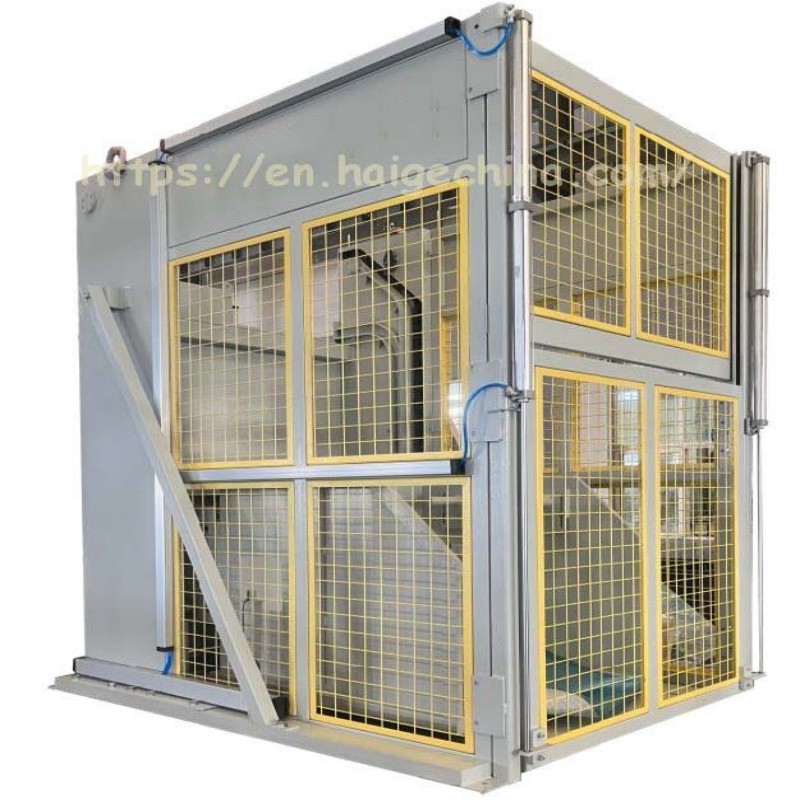
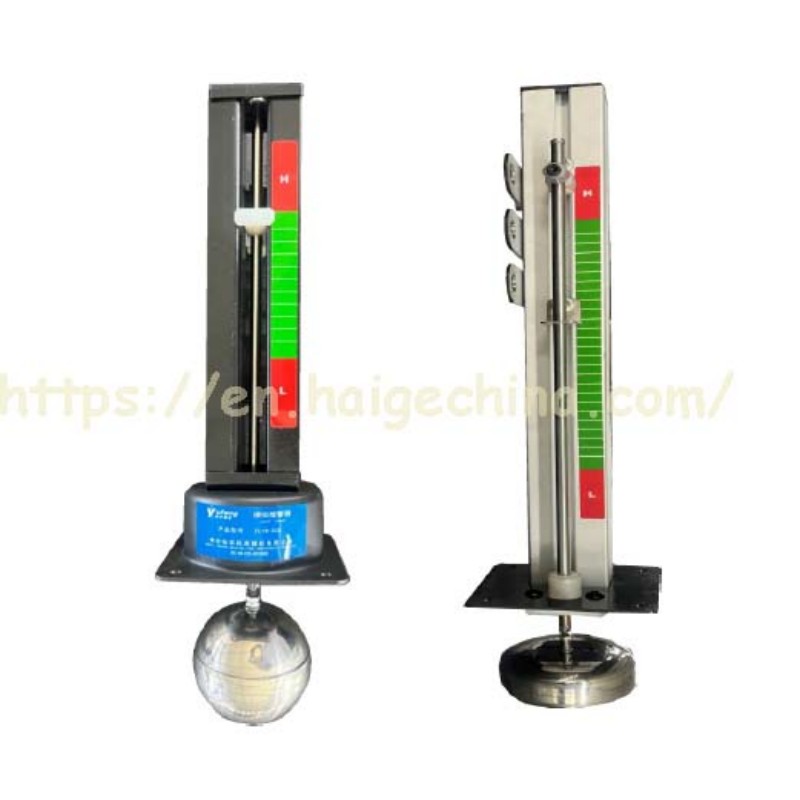
If you are searching for a rust removing machine supplier, start by matching the machine type to the material, rust level, part size, and required finish. For B2B buying, the best next step is to share drawings, photos, usage conditions, target quantity, and any OEM or ODM requirements.
This page supports procurement work by turning a broad search into a clearer RFQ. It helps you compare customization scope, sample approval steps, packaging needs, lead-time questions, and related product options before moving to quotation review.
Begin with the application. Define whether the rust removing machine will be used for small parts, larger workpieces, batch processing, repair preparation, or surface treatment before the next production step. Clear application notes help the supplier recommend a more suitable configuration instead of a general product list.
For OEM planning, prepare details on working size, expected output, surface requirements, power preference, operating environment, and any branding or control panel customization. If sample approval is required, explain the sample quantity, inspection criteria, and who will confirm the result.
When requesting a quotation, include order quantity range, destination port or delivery address, required packaging method, export documentation needs, and expected delivery schedule. These details reduce back-and-forth communication and help compare supplier responses on the same basis.
Shortlist suppliers by checking how they respond to technical questions, related product comparisons, and adjustment requests. A useful response should clarify what can be customized, what should remain standard, and what information is needed before confirming price, lead time, and sample arrangements.