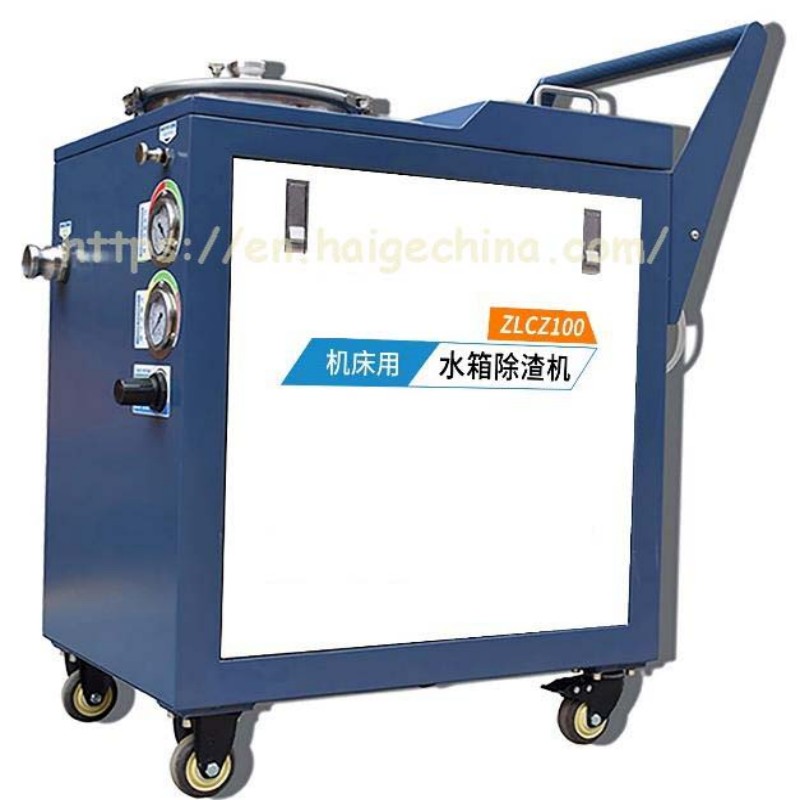
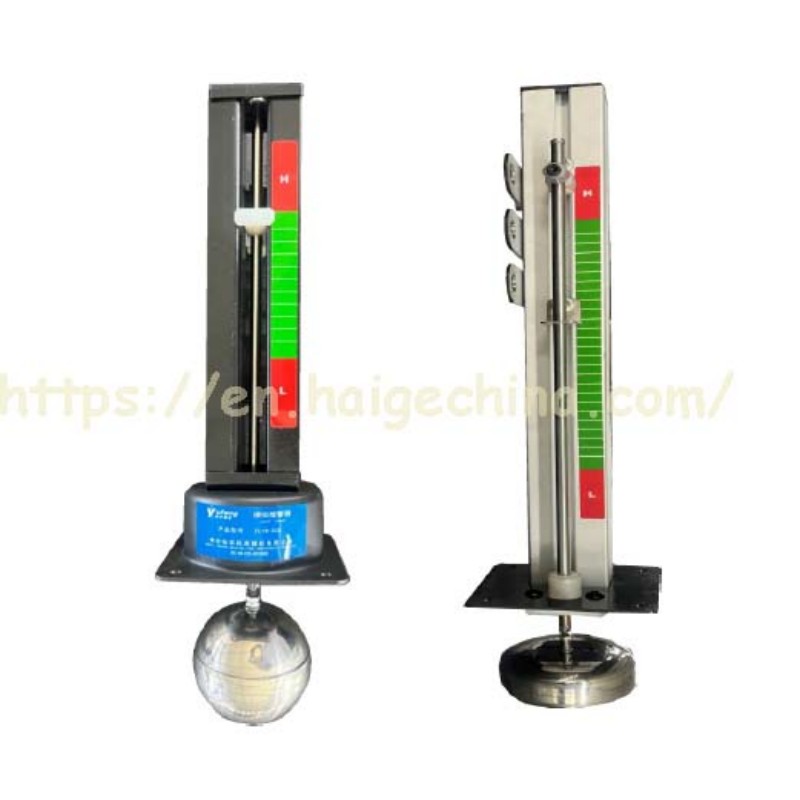
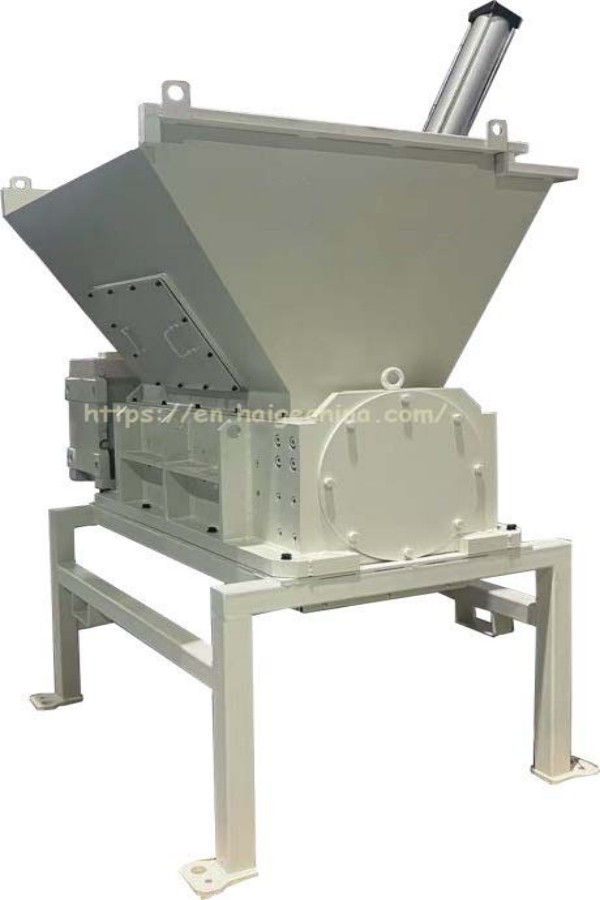
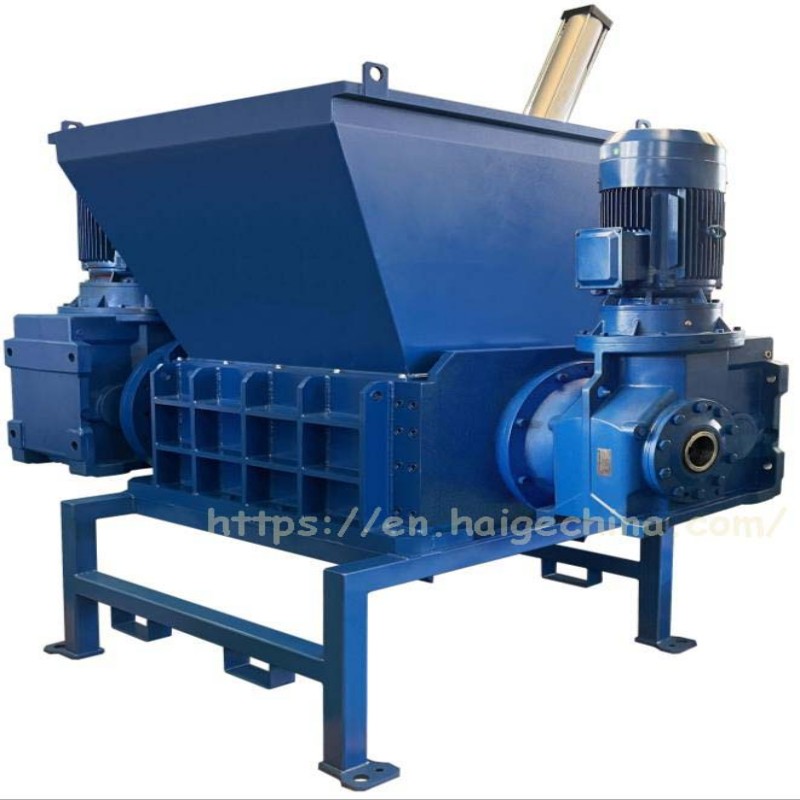
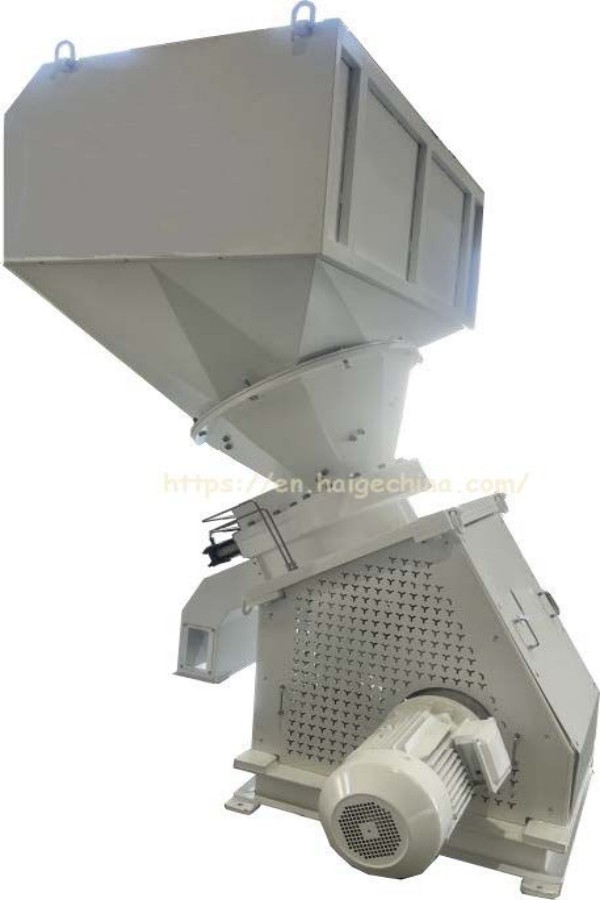
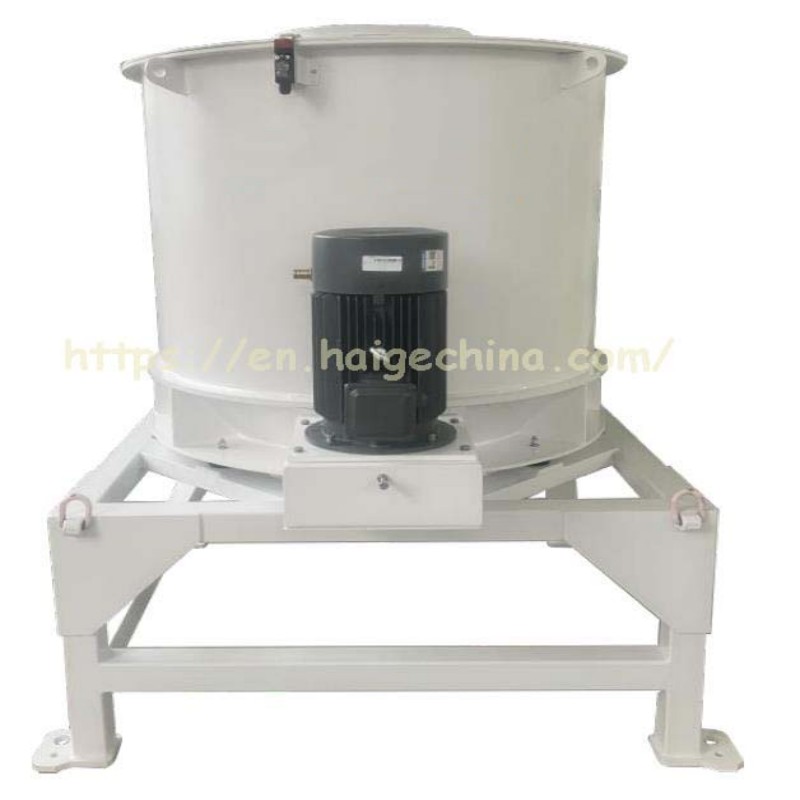
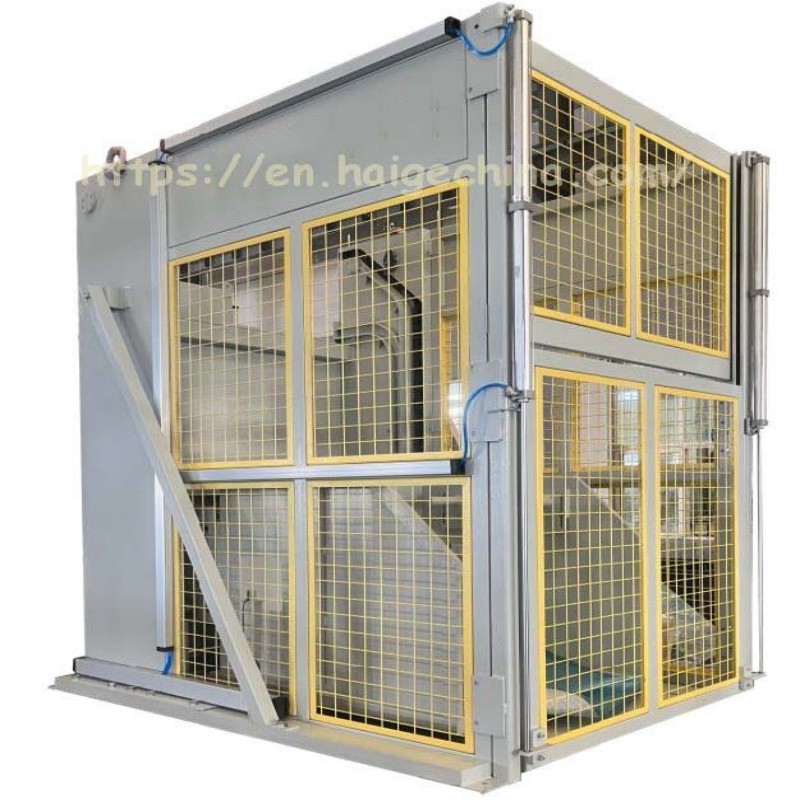
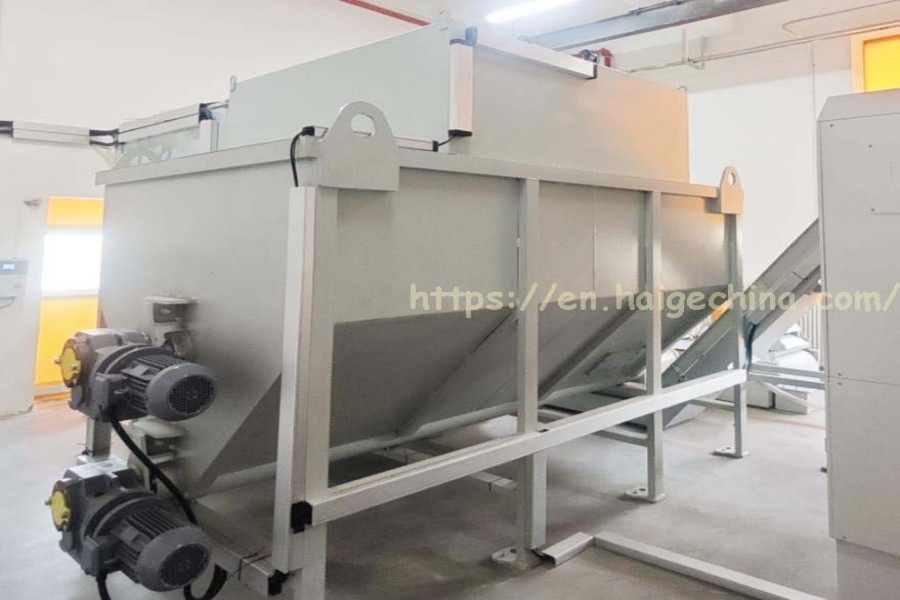
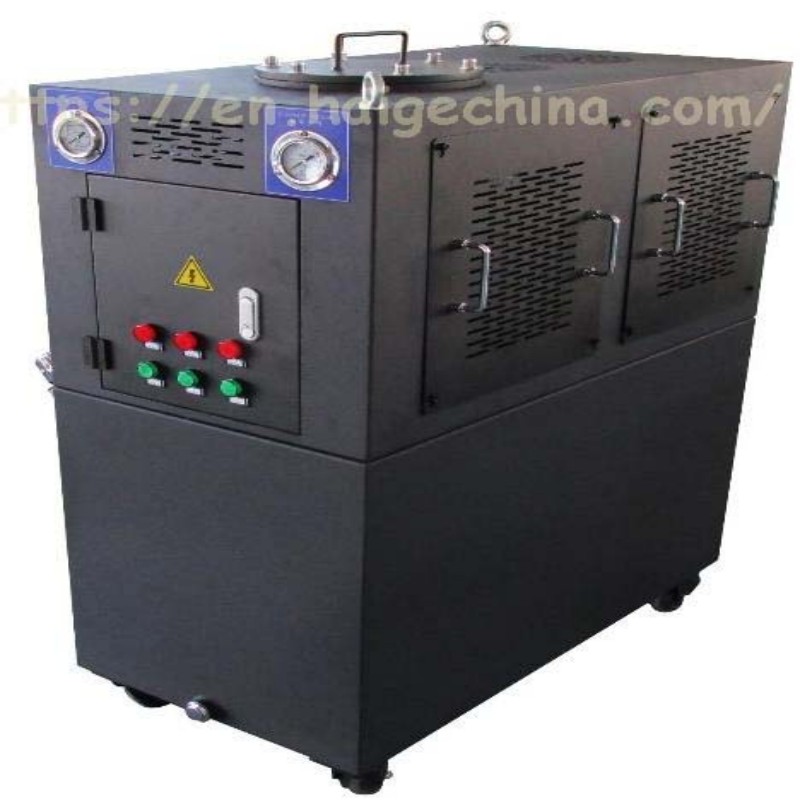
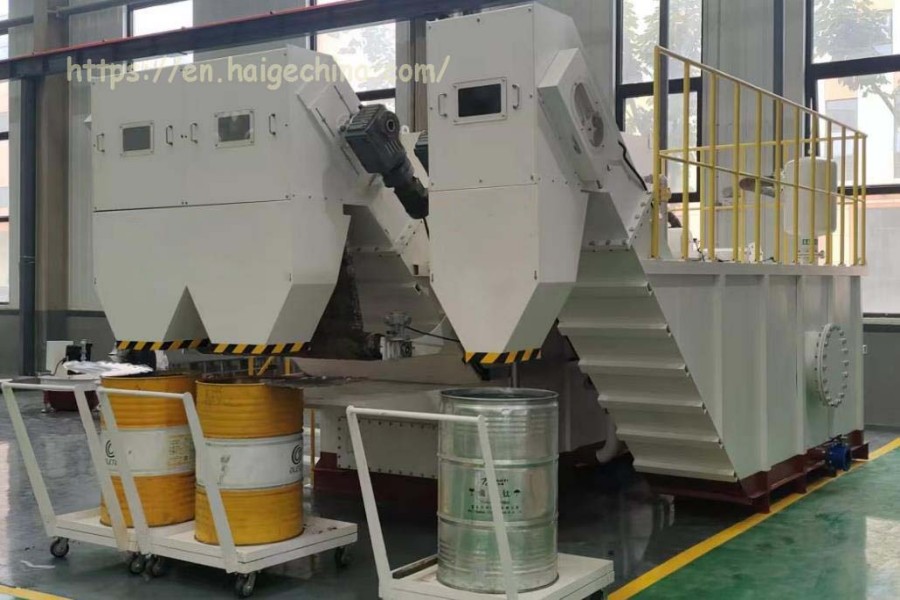
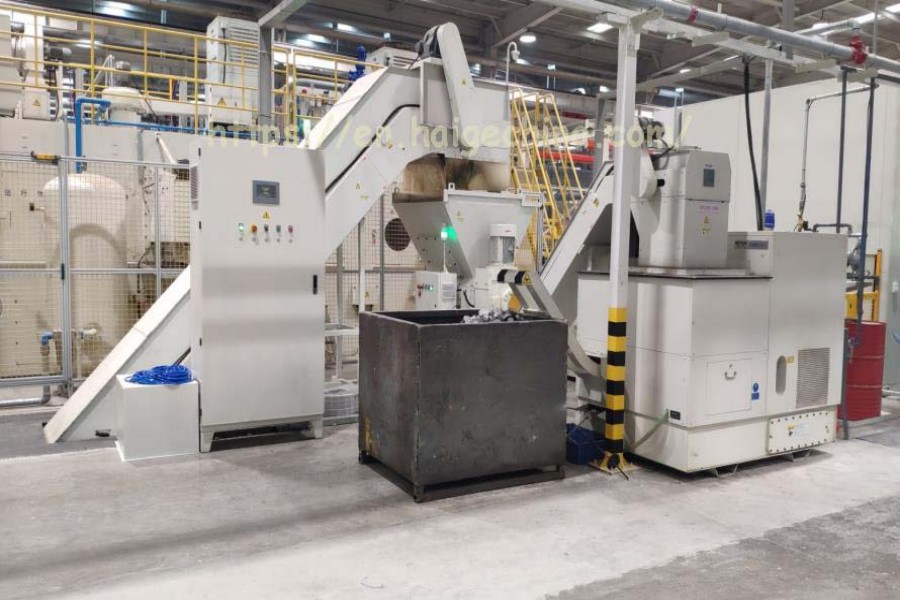
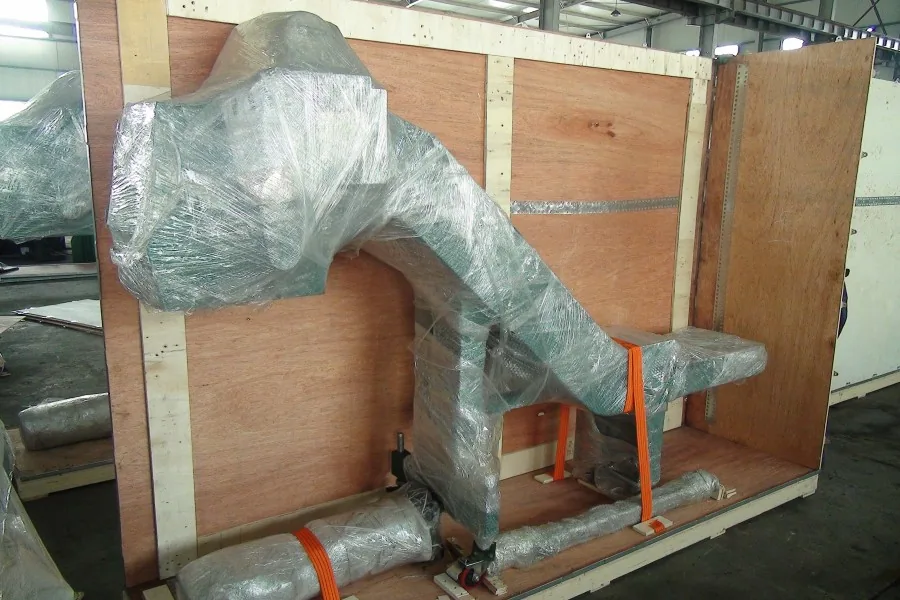
If you are searching for modern cutting equipment, start by confirming whether the product structure, cutting requirements, size range, and operating conditions match your project application.
The right supplier discussion should cover custom options, order quantity, lead-time expectations, packaging needs, and documentation requirements so your buying team can compare offers with fewer gaps.
Begin with the application. Share what the equipment will cut, the required working range, project environment, and any limits on layout, power, or handling. Clear application details help the supplier check whether a standard model is suitable or whether customization should be discussed.
Prepare a specification checklist before requesting price. Include dimensions, expected functions, material preferences, branding requirements, packaging format, accessories, and any inspection points your team must confirm. Drawings, photos, or reference samples can reduce back-and-forth communication.
For OEM or ODM sourcing, ask how custom marks, colors, labels, manuals, cartons, and project-specific configurations are handled. If the order is for a larger rollout, confirm sample review steps, batch consistency expectations, and how changes are recorded before production.
When comparing suppliers, look beyond the first quotation. Review how clearly each supplier answers technical questions, lead-time questions, bulk order preparation issues, and packaging requirements. A structured reply makes it easier to reduce project risk before purchase approval.