If you are sourcing automatic cutting equipment, start by confirming the cutting material, working size, machine configuration, power requirements, and expected production use. These details help a supplier understand whether a standard model or ODM/OEM adjustment is more suitable.
For bulk orders, the best next step is to prepare an RFQ with quantity, destination, packaging needs, sample questions, and any technical documents available. This makes supplier comparison clearer and reduces back-and-forth during quotation.
Begin with a specification checklist. Confirm the material to be cut, maximum and minimum size range, cutting accuracy requirements, operating environment, and whether the equipment must match an existing production line.
When requesting a quotation, include order quantity, delivery destination, preferred trade terms, voltage or regional requirements, packaging expectations, and any documentation needed for internal review. If CE Certification is required for your market, state this clearly at the inquiry stage.
Compare related products by structure, control method, automation level, consumable parts, maintenance access, and configuration options. A lower quoted price is not useful unless the equipment matches your material, size, and production workflow.
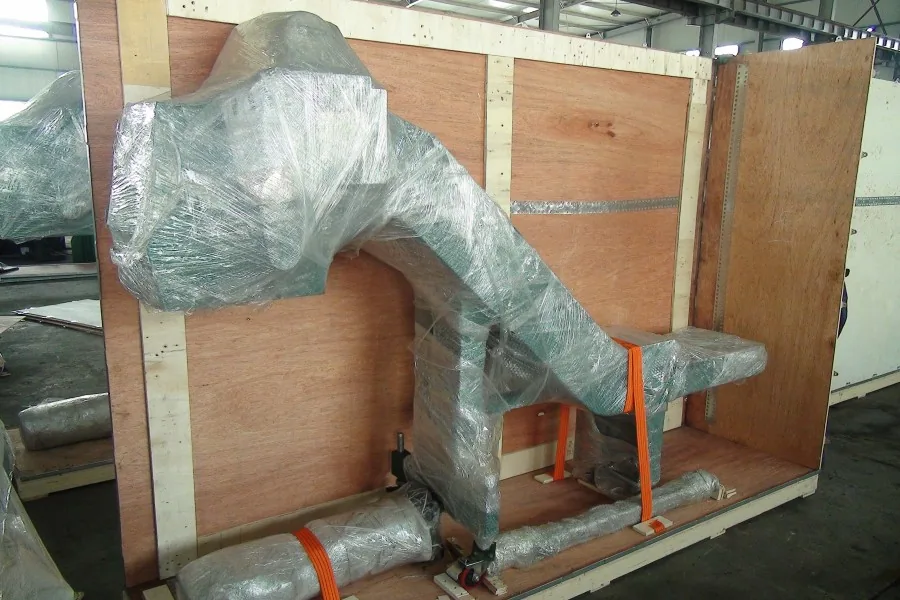
Before confirming a bulk order, ask about sample confirmation, inspection points, packing method, labeling, and export order documents. Keep supplier replies organized so your team can compare technical fit, response quality, and order readiness.