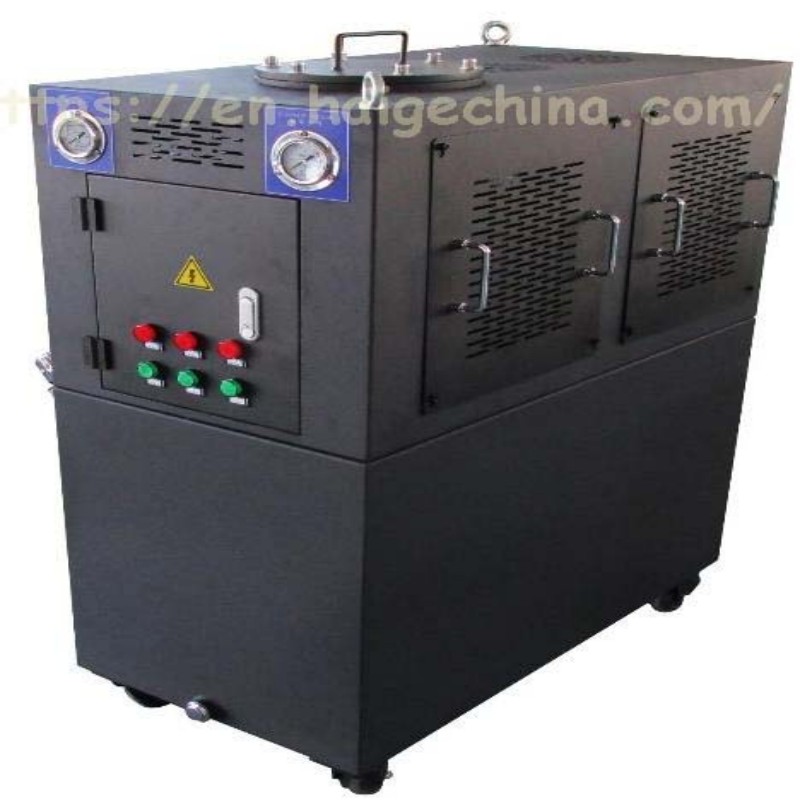
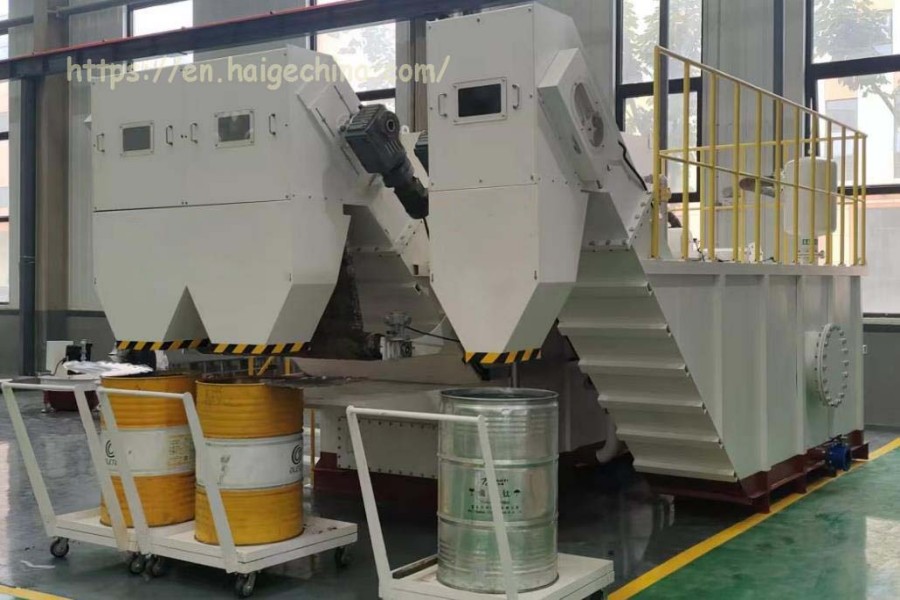
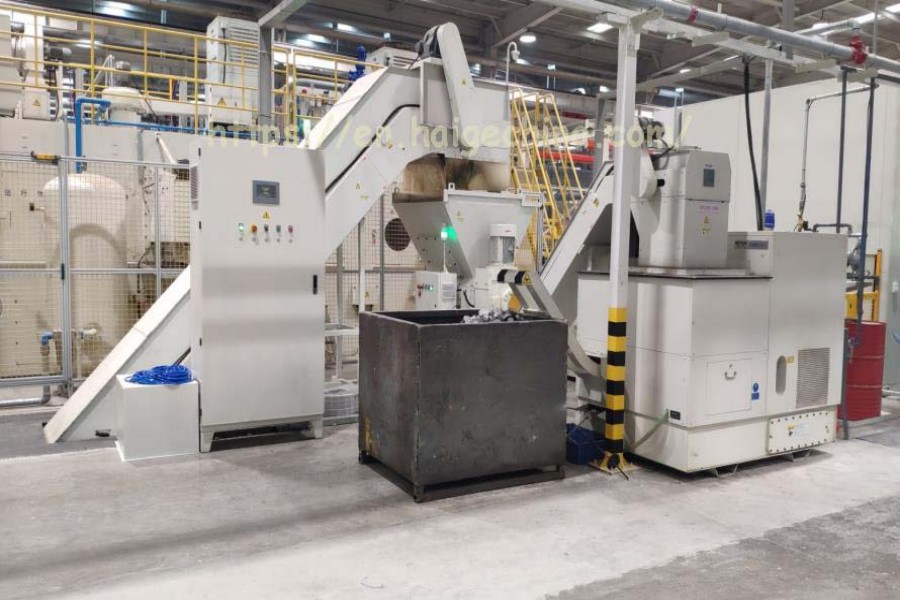
Automated cutting equipment should be sourced by confirming application fit first: material type, thickness or size range, cutting accuracy needs, production volume, and available workshop conditions. These details help a supplier recommend a suitable configuration instead of a generic model.
For B2B purchasing, ask about technical parameters, custom options, quality inspection steps, export packing, lead time, and after-sales support. If CE Certification or other documents are required for your market, include that request in the first inquiry.
Start your evaluation with a clear specification checklist. List the materials to be processed, maximum and minimum workpiece sizes, required cutting form, power or control preferences, and any limits in factory space. This reduces unclear quotations and helps compare supplier responses side by side.
Next, review configuration matching. Automated cutting equipment may vary by structure, control system, feeding method, tooling, safety features, and optional accessories. If your project needs OEM or ODM support, share drawings, target functions, labeling needs, and expected order quantity.
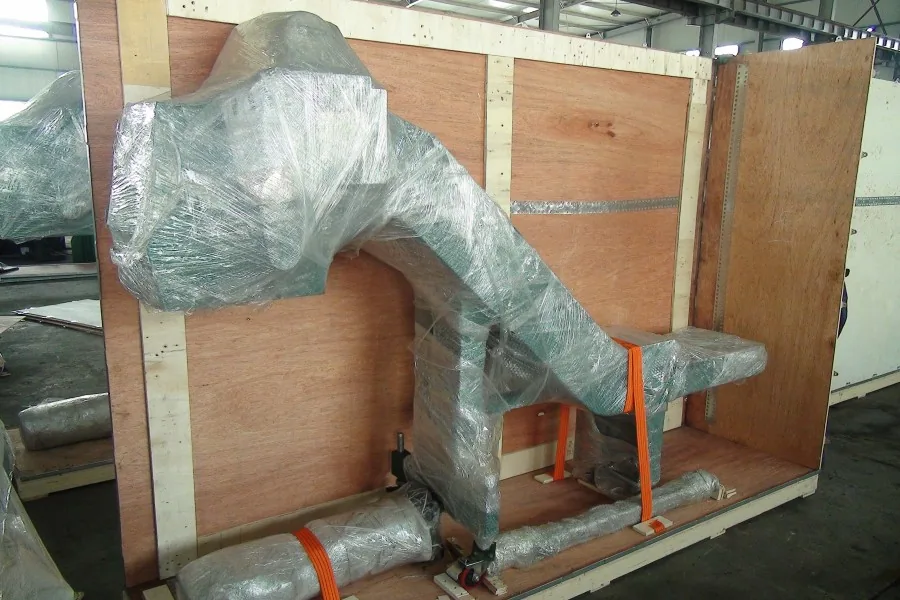
Quality review should be practical. Ask what inspection points are checked before shipment, how the equipment is packed for export, what spare parts are recommended, and what installation or operation guidance is available. For CE Certification needs, request confirmation and related document information early.
When comparing suppliers, focus on how well each reply answers your technical details. A useful supplier response should clarify application fit, explain available custom options, and ask follow-up questions when information is missing. This is especially important before bulk purchasing or long-term supply planning.