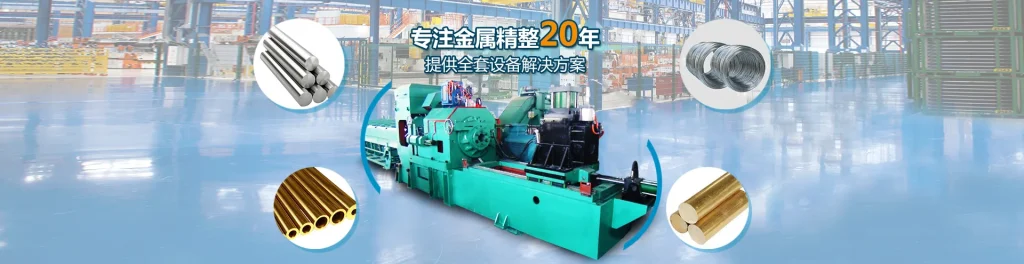
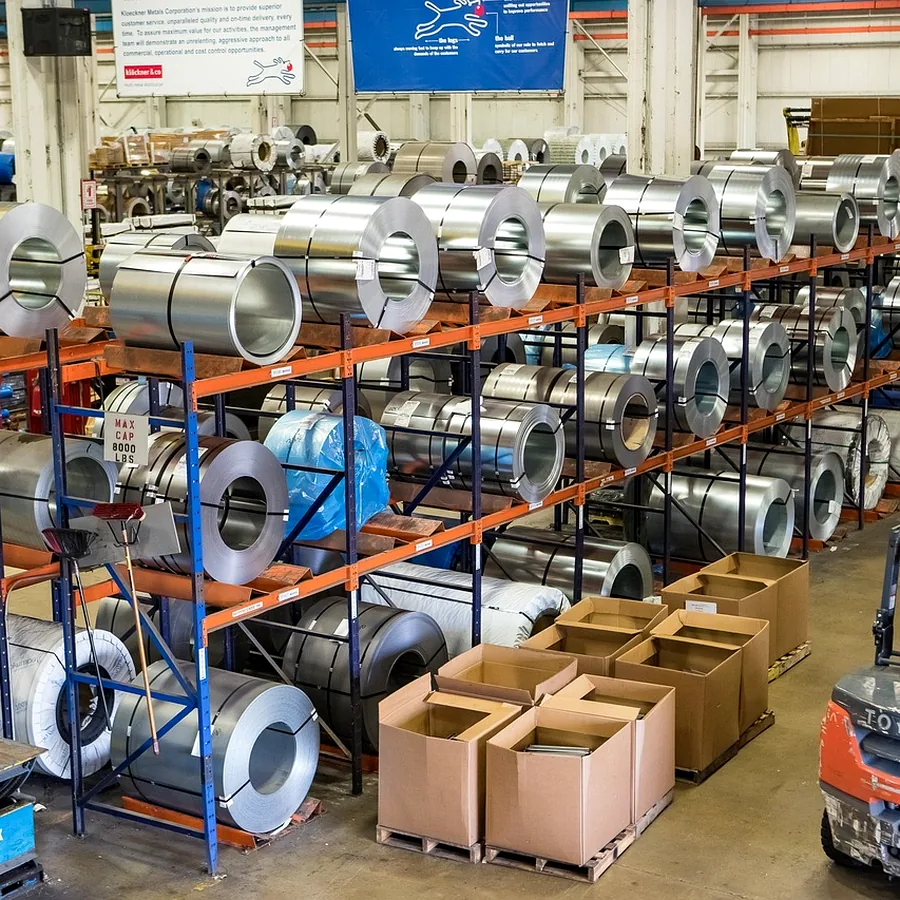
CNC polishing machine for metal wholesale sourcing should begin with the parts you need to process, including material type, surface requirement, size range, and batch volume. These details help determine whether a standard model, OEM adjustment, or ODM configuration is worth discussing.
For B2B buying, the best supplier conversation is specific. Share drawings, sample photos, expected quantities, destination, and inspection requirements so the response can focus on application fit, quality checks, and after-sales support instead of a general catalog.
Start with a specification checklist. Confirm the metals to be polished, the maximum and minimum workpiece dimensions, required surface effect, production rhythm, and any fixture or tooling needs. This helps reduce mismatches during early supplier comparison.
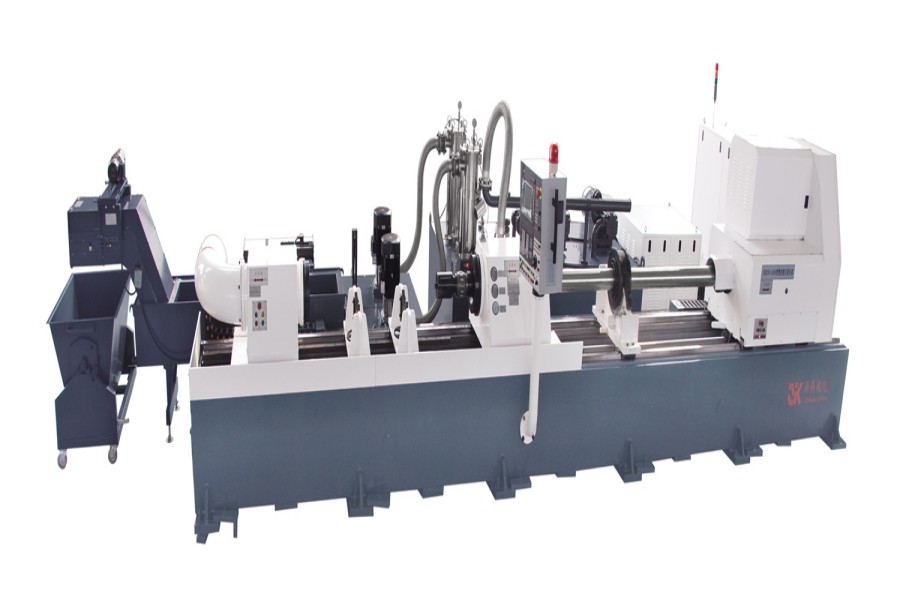
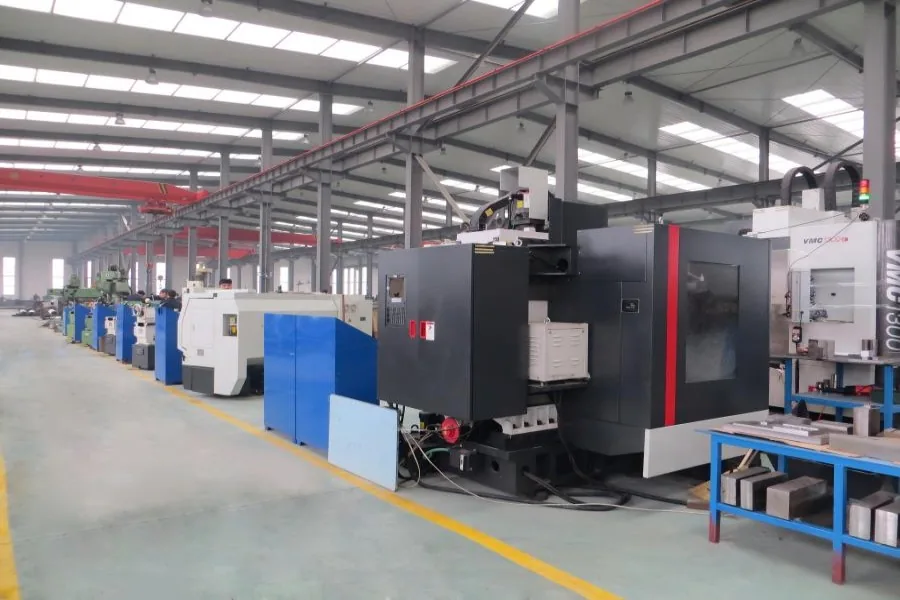
Review the machine configuration carefully. Ask about control system options, polishing heads, worktable size, applicable consumables, safety features, and available customization. If you are preparing an RFQ, include required voltage, installation conditions, packaging preference, and shipment destination.
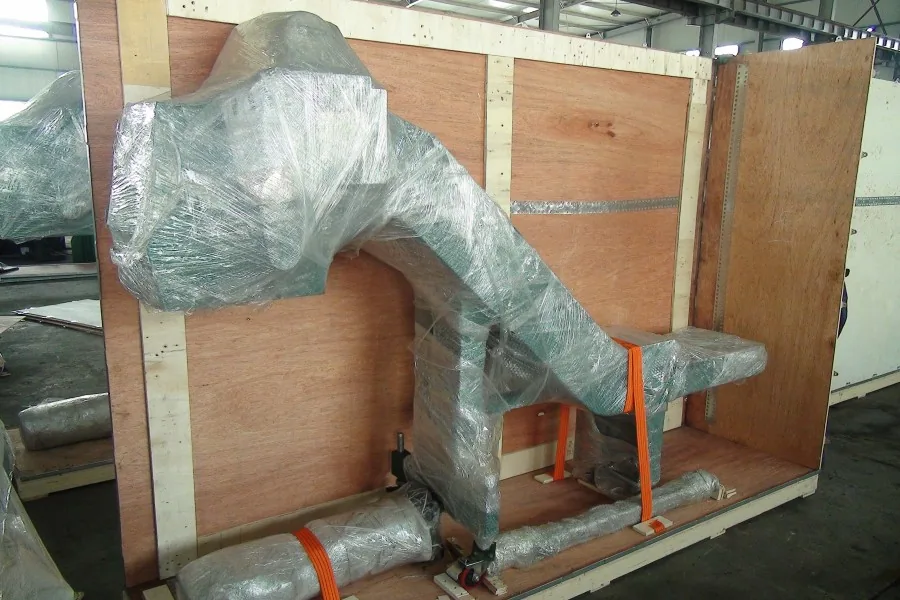
Quality review should be practical and document-based. Ask what inspection steps are used before shipment, what photos or videos can be provided, and how the supplier confirms machine performance against your sample or drawing. For CE-related requirements, request relevant documentation for review.
Before placing a bulk order, clarify communication and support expectations. Discuss sample testing, spare parts, training materials, troubleshooting channels, lead time, payment terms, and after-sales response. A supplier that asks detailed technical questions is often easier to evaluate for long-term cooperation.