What Should Buyers Verify When Comparing Bar Peeling Machine Manufacturers?
A buyer comparing a bar peeling machine manufacturer should verify whether the supplier can translate a defined incoming-bar condition and finished-bar requirement into a specific machine configuration, tooling approach, line interface, acceptance plan and responsibility boundary. A long model list is not enough. The comparison should begin with material condition, bar geometry, surface-removal objective, required delivered condition, product mix, automation expectations and the equipment before and after peeling. Once those inputs are fixed, manufacturers can be compared on technical fit, evidence and declared scope rather than on broad capability claims or an apparently lower quotation.
A Manufacturer Comparison Starts With a Defined Peeling Duty
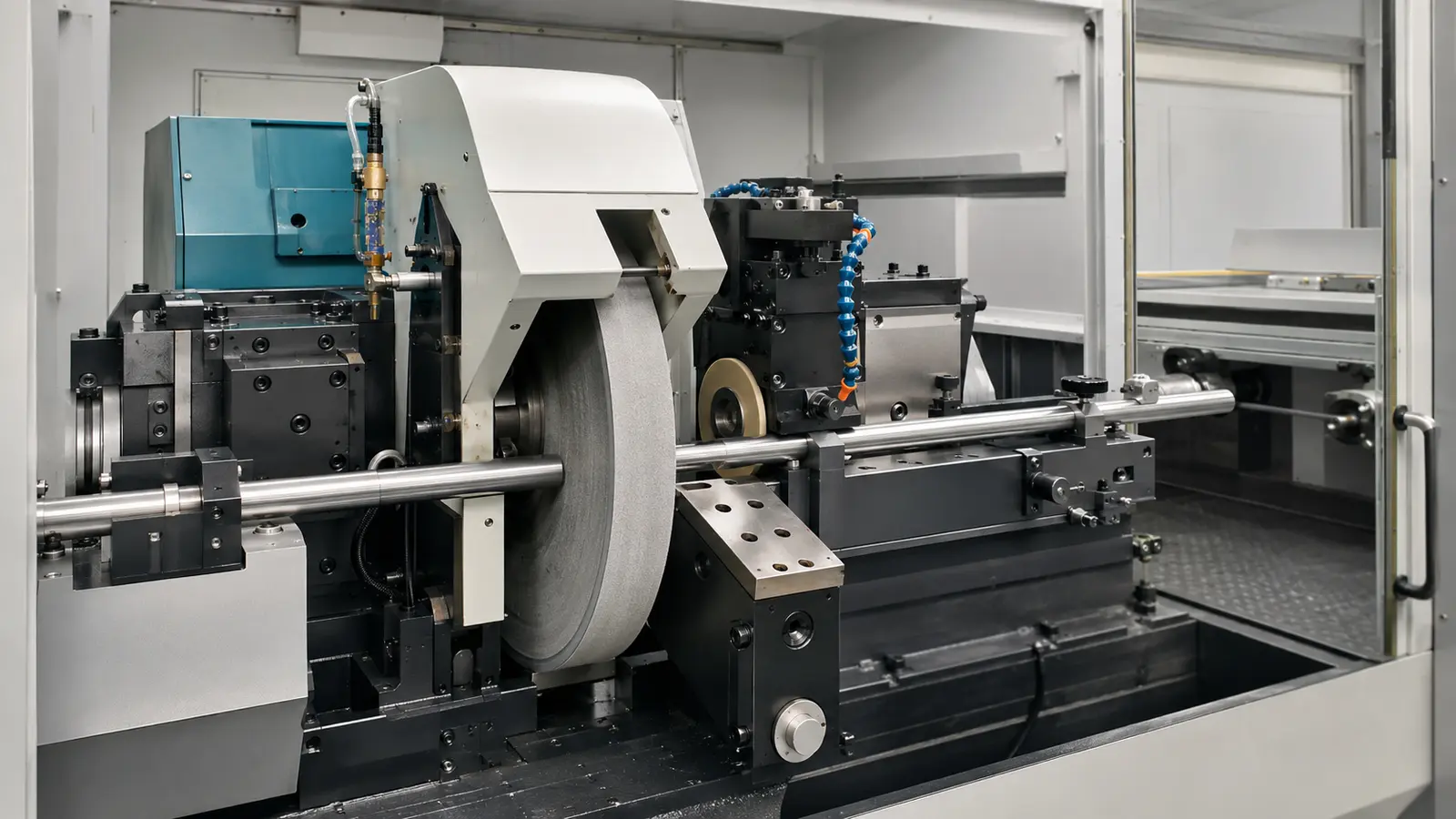
Bar peeling removes a controlled outer layer from round material to address scale, surface irregularities or defects and to prepare a bar for later operations. That description explains the process, but it does not yet define a purchase. The same process name can cover different incoming materials, bar sizes, defect conditions, production patterns and downstream requirements. A supplier that has suitable equipment for one duty may not have the correct configuration for another.
The first qualification question is therefore not simply, “Do you make peeling machines?” It is, “Which part of this application can you define, supply and verify?” The answer should connect the workpiece to the machine family, the cutting system, the handling arrangement and the inspection method. It should also show which information remains the buyer’s responsibility, such as the material specification, acceptable residual defects and the requirements of the next process.
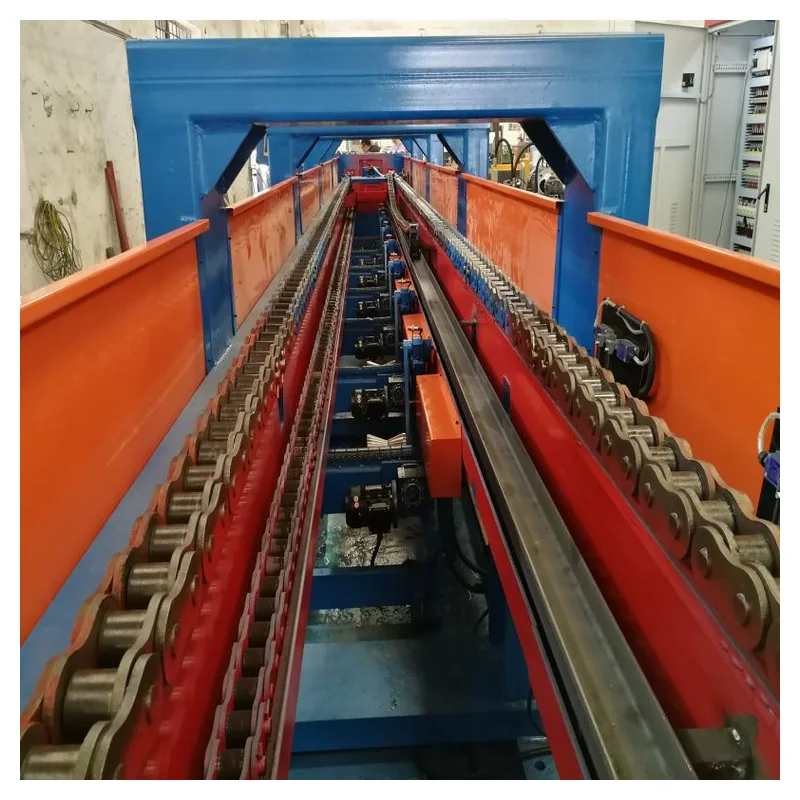
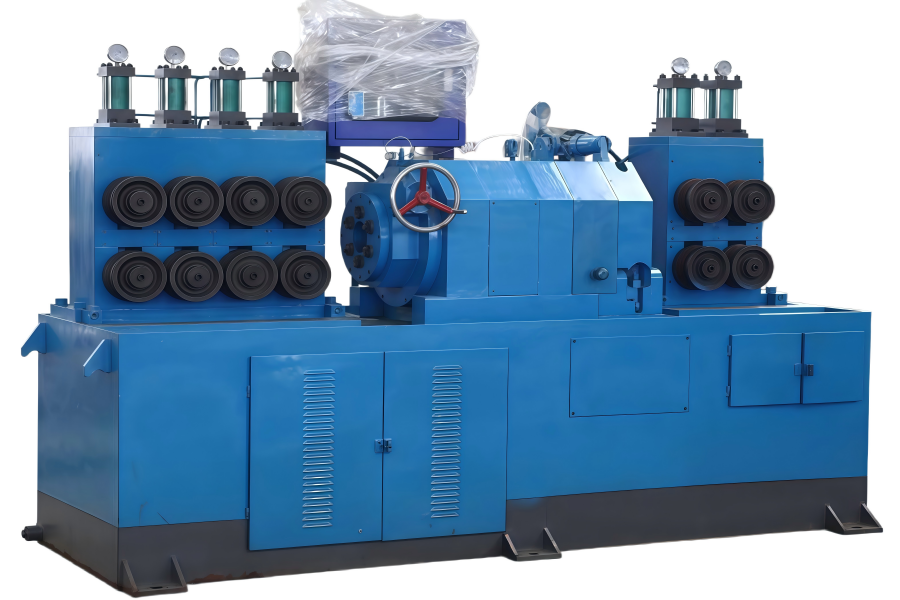
Reviewing the available bar peeling machine range can help establish the equipment family before individual models are discussed. Product discovery, however, should remain separate from technical approval. A category page confirms that several peeling options exist; it does not prove that every option can process the same workpiece or deliver the same finished condition.
Product Range Must Be Mapped to the Same Operating Brief
Supplier comparisons often become distorted when one offer is based on a semi-automatic machine and another is based on a CNC-controlled configuration. Those quotations may differ in operator tasks, adjustment method, changeover logic, control scope and included handling equipment. Price comparison is meaningful only after each supplier identifies the configuration being offered and explains why it fits the production brief.
Haige’s catalog places WXC30C, WXC80C and WXC200C under the semi-automatic type, while WXC80S, WXC300S and WXC700S are listed under the CNC type. The available WXC30C and WXC80C descriptions refer to manual tool adjustment together with hydraulically controlled clamping for feeding and extraction. The WXC80S description refers to PLC multi-point control and automatic cutting-tool adjustment without stopping the machine. These descriptions establish different automation directions, but they do not by themselves define cycle time, changeover time, control accuracy or the functions included with every model.
During supplier qualification, ask for a function-by-function response. The manufacturer should identify how the bar is loaded, clamped, guided, peeled and extracted; how the tool setting is changed; which adjustments require a stop; what the control system records; and which operations remain manual. This prevents a general label such as “CNC” from being treated as proof of every automation feature the buyer may expect.
The preferred route depends on the production mix. A stable product range with limited changeovers may place more value on straightforward operation and clear manual setting procedures. A line handling frequent diameter changes may require a different adjustment and control strategy. Neither route is automatically superior. The important point is whether the proposed configuration matches the expected product sequence, available operator skills and required change-control discipline.
Starting-Bar Condition Is Part of the Machine Specification
The incoming bar is not merely raw material supplied to a standard machine. Its grade, hardness or heat-treatment state, diameter range, length, straightness, out-of-roundness and surface condition influence how the bar can be guided, clamped and cut. Diameter variation or poor straightness can change contact with the guide and tool system. Surface scale and defect depth can change the required stock removal and cutting load. These relationships affect machine selection, tooling and the stability of the proposed process.
A useful application brief distinguishes normal production material from the most difficult material the line must accept. Average dimensions alone can hide the bar that actually controls the design. The supplier should receive the expected range and variation, not one nominal value. Where the incoming condition is uncertain, representative samples, inspection records or a defined trial lot are more useful than a description such as “standard hot-rolled bar.”
Material identity also matters to the cutting proposal. Cutting-tool suppliers commonly select insert grade and geometry with reference to material group, hardness or strength and the stability of the cutting condition. The peeling-machine supplier does not need to disclose proprietary calculations, but the offer should state what material data were used, what tooling assumption was made and what information would require a revised recommendation.
The practical decision chain is clear: incoming-bar variation changes guidance and cutting conditions; those conditions affect tool behavior and the delivered surface; an incorrect assumption can lead to unstable production, excessive adjustment, tool consumption or rejected bars. The evidence that closes this risk is a documented workpiece range combined with a model-specific process proposal and, when justified, a trial on representative material.
Finished-Bar Requirements Must Be Separated From Process Labels
“Bright bar,” “peeled bar” and “surface defect removal” are useful process descriptions, but none is a complete acceptance specification. The buyer should separately define the required delivered diameter, tolerance, roundness, straightness, surface condition and defect acceptance. If the bar will be ground, polished, drawn, heat-treated or machined later, the required stock allowance and responsibility for the final dimension must also be stated.
This separation prevents one of the most common scope errors. A peeling machine may be intended to remove the original surface and leave material for downstream finishing, while the buyer may assume that the machine alone will deliver the final part tolerance or final surface. Both parties can use the phrase “finished bar” and still mean different things. The purchase specification should identify the condition at the peeling-machine outlet and the condition expected after all downstream processes.
Acceptance criteria should be measurable and tied to a sampling method. The document should state where measurements are taken, which instruments or inspection method are expected, how many samples represent a batch or trial, and how local defects are evaluated. When requirements depend on a project drawing or customer specification, that controlling document should be referenced in the RFQ and purchase order rather than paraphrased in sales correspondence.
Tooling and Process Responsibility Reveal the Real Supplier Scope
The peeling head, tool holders, inserts and adjustment method form a process system. A machine offer that excludes the initial tooling definition may leave the buyer with equipment but no agreed route for the intended material. Conversely, an offer that includes a tool package can still be incomplete if the package is based on an unconfirmed material grade, defect depth or stock-removal assumption.
Ask the manufacturer to state who selects the initial tooling, who approves the cutting conditions, which tool components are included, which items are consumable and what information is needed for later reordering. The response should also explain chip evacuation, coolant or lubrication provisions where applicable, access for tool changes and the inspection required after a tool adjustment. These points affect operating responsibility and the buyer’s spare-parts plan.
A sample trial should have a defined purpose. It may be used to confirm that the proposed tooling can remove the agreed surface layer, that the bar can pass through the handling system or that the delivered sample meets selected dimensional and surface criteria. One successful sample does not prove every production condition. The trial record should identify the material, incoming measurements, machine configuration, tooling, process settings, output measurements and any condition that differed from the planned production route.
Line Interfaces Can Turn a Machine Purchase Into a System Project
Peeling equipment may operate as a standalone machine or as one stage in a bright-bar finishing line. Upstream equipment can include loading, cutting, pre-straightening or feeding functions. Downstream equipment may include straightening, chamfering, grinding, polishing, inspection and collection. Industry machine builders also combine peeling with saws, shears, straighteners and chamfering equipment, which shows why line architecture must be defined before responsibilities are priced.
Each interface needs an owner. The layout should identify transfer height, bar direction, allowable buffer, controls handshake, guarding boundary, emergency-stop coordination, utility connection, chip collection and operator access. A supplier may provide only the peeling machine, a machine with local handling, or a larger integrated scope. Those alternatives should not be compared as though they are identical.
Integration affects acceptance as well. A machine may perform correctly during an isolated factory trial but still face feeding interruptions, transfer conflicts or control delays when connected to other equipment. For a line project, the acceptance plan should distinguish machine-level checks from interface checks and full-line production checks. It should also state which party supplies the representative upstream and downstream signals during testing.
Use an RFQ Table to Expose Differences Between Offers
| RFQ Field | Buyer Input | Manufacturer Return | Risk if the Field Is Missing |
|---|---|---|---|
| Material and incoming condition | Grade, condition, hardness or strength information where known, scale and defect description | Material assumptions, proposed tooling basis and any sample or test requirement | The cutting proposal may be based on a different material condition |
| Starting geometry | Diameter range, length range, straightness, out-of-roundness and dimensional variation | Accepted workpiece envelope, guidance and clamping arrangement, and declared limits | The bar may not feed or cut consistently in the offered configuration |
| Peeling objective | Surface layer to be removed, defect-removal objective and downstream stock allowance | Proposed process route, number of passes if relevant and the condition expected at the outlet | Supplier and buyer may approve different definitions of a finished peeled bar |
| Production mix and automation | Product families, changeover frequency, operator model and required control functions | Offered semi-automatic or CNC configuration, manual tasks, adjustment method and options | Automation cost and operating responsibility may be misunderstood |
| Line interfaces | Upstream and downstream equipment, transfer direction, layout constraints and control expectations | Interface drawing, supplied handling scope, control boundary and excluded equipment | Installation rework or additional handling equipment may be required |
| Tooling and consumables | Material range, changeover plan and buyer preference for included initial tooling | Tool list, consumables, setting responsibility, reorder information and recommended spares | The quotation may omit the items needed to start or maintain production |
| Inspection and acceptance | Required diameter, tolerance, straightness, surface and defect criteria with sampling method | Inspection method, trial scope, instruments or records provided and acceptance exclusions | A technically working machine may still fail the buyer’s acceptance expectation |
| Commercial and service boundary | Required documentation, packing, installation support, training, commissioning and spare-parts scope | Included, optional and excluded items plus assumptions and deviations | Two apparently similar quotations may cover materially different deliverables |
The table is not a substitute for engineering discussion. Its purpose is to force each manufacturer to answer the same application. A blank field should remain visible as an open point; it should not be silently filled with a supplier’s standard assumption. When a value cannot be confirmed before a trial, the RFQ should state how and when it will be closed.
Evidence Should Identify the Offered Configuration
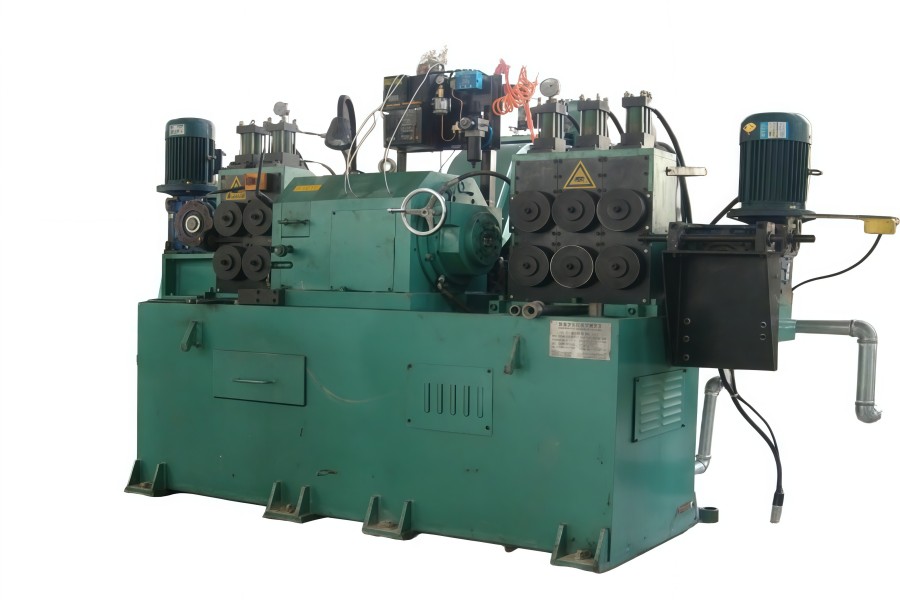
Supplier evidence is useful only when it applies to the model and scope being quoted. A general brochure can show the product family, but approval normally requires more specific documents.
- Model-specific technical data: check the machine type, workpiece range, operating concept, supplied handling and utility assumptions used for the offer.
- Dimensioned layout: verify the machine envelope, loading and extraction paths, maintenance access, chip-removal area, foundations or support requirements and connection points.
- Process proposal: confirm the incoming material, target outlet condition, tooling basis, adjustment method and any condition that still requires a test.
- Trial and inspection record: verify that the tested material and acceptance criteria represent the planned application rather than an easier demonstration sample.
- Tooling, wear and spare-parts list: distinguish included start-up items from recommended spares, consumables and locally sourced items.
- Deviation schedule: require every difference from the RFQ to be declared, including options, exclusions, buyer-supplied equipment and unresolved interfaces.
The WXC30C bar peeling machine page can serve as an evaluation point for a semi-automatic route because the available product data identifies manual tool adjustment and hydraulically controlled clamping for feeding and extraction. It should not be treated as the final specification. The offered model, accepted workpiece range, tooling, layout, utilities, inspection and service scope still need project-level confirmation.
When Should the Supplier Shortlist Change?
The shortlist should change when the actual material form or production architecture falls outside the assumptions used for a bar-to-bar peeling proposal. Coil-fed production, including coil-to-bar or coil-to-coil processing, as well as tubes, non-round sections, unusual material conditions or a highly integrated line, can require a different equipment route and a different evidence package. A supplier that is suitable for a standalone round-bar peeling machine is not automatically suitable for every complete finishing line.
The decision also changes when the buyer cannot define the required delivered condition. If defect depth, stock allowance or downstream responsibility is still open, model selection may be premature. In that case, the next action is to inspect representative incoming material, clarify the downstream process and agree which sample results will be used to finalize the specification.
Geography is not a substitute for qualification. A search for bar peeling machine manufacturers in China may create a broad supplier list, but the technical shortlist should be based on application fit, documented configuration, interface responsibility, verifiable trial conditions and a quotation that declares its assumptions.
Prepare the Technical Package Before Requesting the Final Offer
A complete inquiry should contain the material specification, incoming and target dimensions, bar length, starting straightness and out-of-roundness, surface condition, defect-removal objective, expected product mix, automation preference, upstream and downstream equipment, layout restrictions, utility conditions, inspection criteria and required documentation. Quantity and delivery destination belong in the commercial section, but they cannot replace the technical definition.
Ask each manufacturer to return the selected model, configuration rationale, tooling basis, layout, utility schedule, included handling, control functions, inspection plan, start-up items, optional equipment, exclusions and deviations. Only after those fields are aligned should price and delivery terms be compared.
Once the application sheet and comparison table are complete, submit them through Haige’s project contact form. The first technical response should close the workpiece, process and scope assumptions that determine whether a proposed peeling machine can enter formal quotation and trial planning.