What RFQ Details Should Buyers Prepare for Wire Drawing Equipment Suppliers?
A useful RFQ for a wire drawing equipment supplier must define the material transformation, not merely name a machine and request a price. The buyer should state whether the project handles coil wire, straight bar or tube; describe the incoming material and surface condition; define the target cross-section and delivered form; explain the expected drawing route; and identify the equipment, utilities and acceptance requirements around the drawing unit. Without those details, one supplier may quote a standalone drawbench while another prices an integrated production line, making the offers technically and commercially incomparable.
Write the RFQ as a Material-Transformation Statement
The first page of the inquiry should describe what enters the process and what must leave it. For example, the input may be a coil, a straight bar or a tube in a specified material condition. The output may need to remain in coil form, become cut-to-length bright bar, continue to straightening or enter another operation. This statement gives the equipment supplier a process boundary before individual components are selected.
Nominal input and output diameter are necessary, but they are not enough. The supplier also needs the full size range, dimensional variation, cross-sectional shape, material grade, heat-treatment state, surface condition and required output tolerance. The drawing route is a cold-forming operation in which material is pulled through one or more dies. Reduction, die design, friction, lubrication and temperature therefore interact with material behavior and the risk of surface damage or breakage.
The inquiry should identify what remains open. If the buyer has not yet selected the pass schedule, die sequence or lubrication method, those items can be assigned to the supplier for proposal. They should not be left unstated, because each proposal changes machine loading, tooling, cooling, operating procedure and acceptance.
The Product Form Determines the Equipment Route
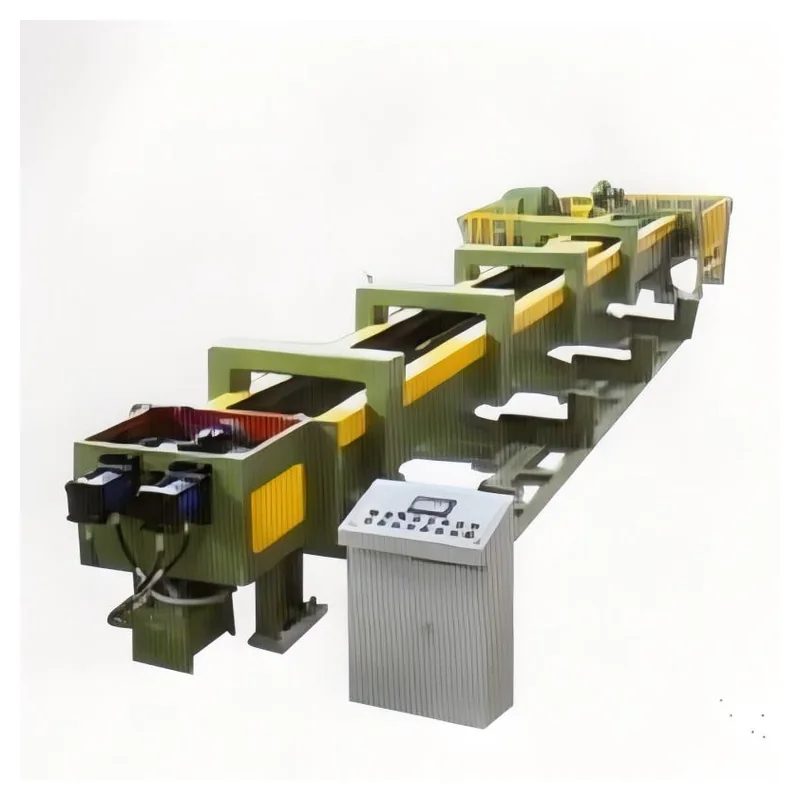
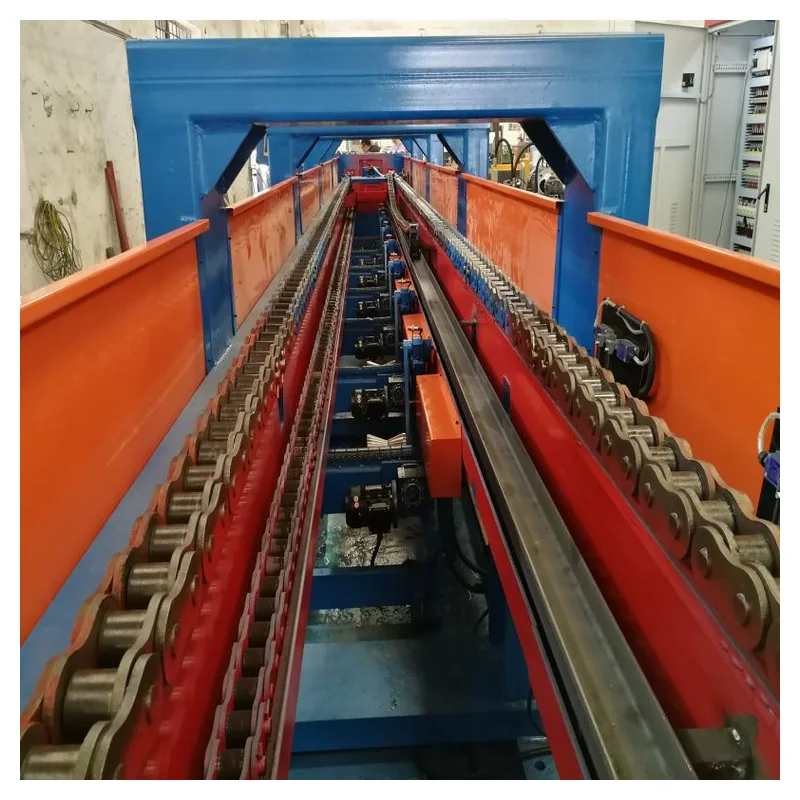
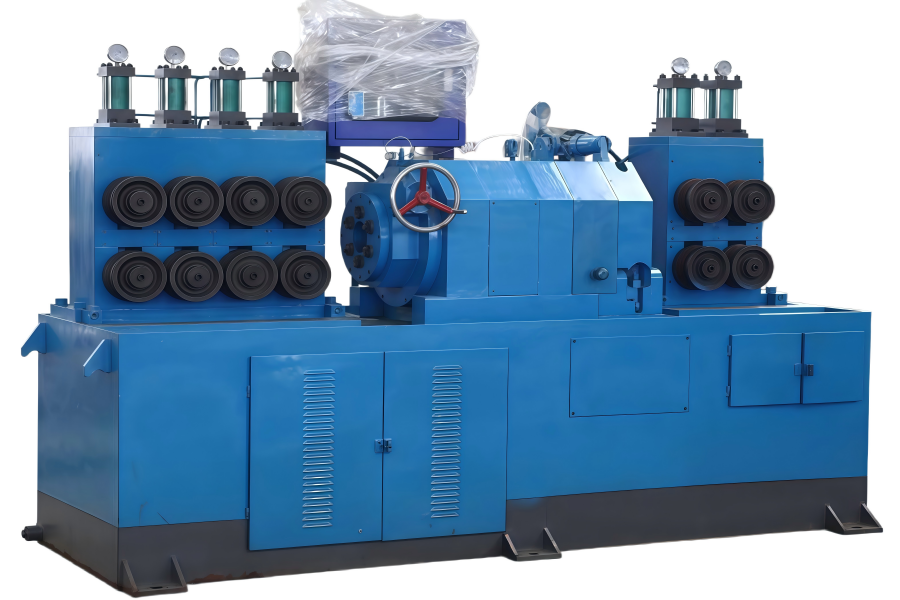
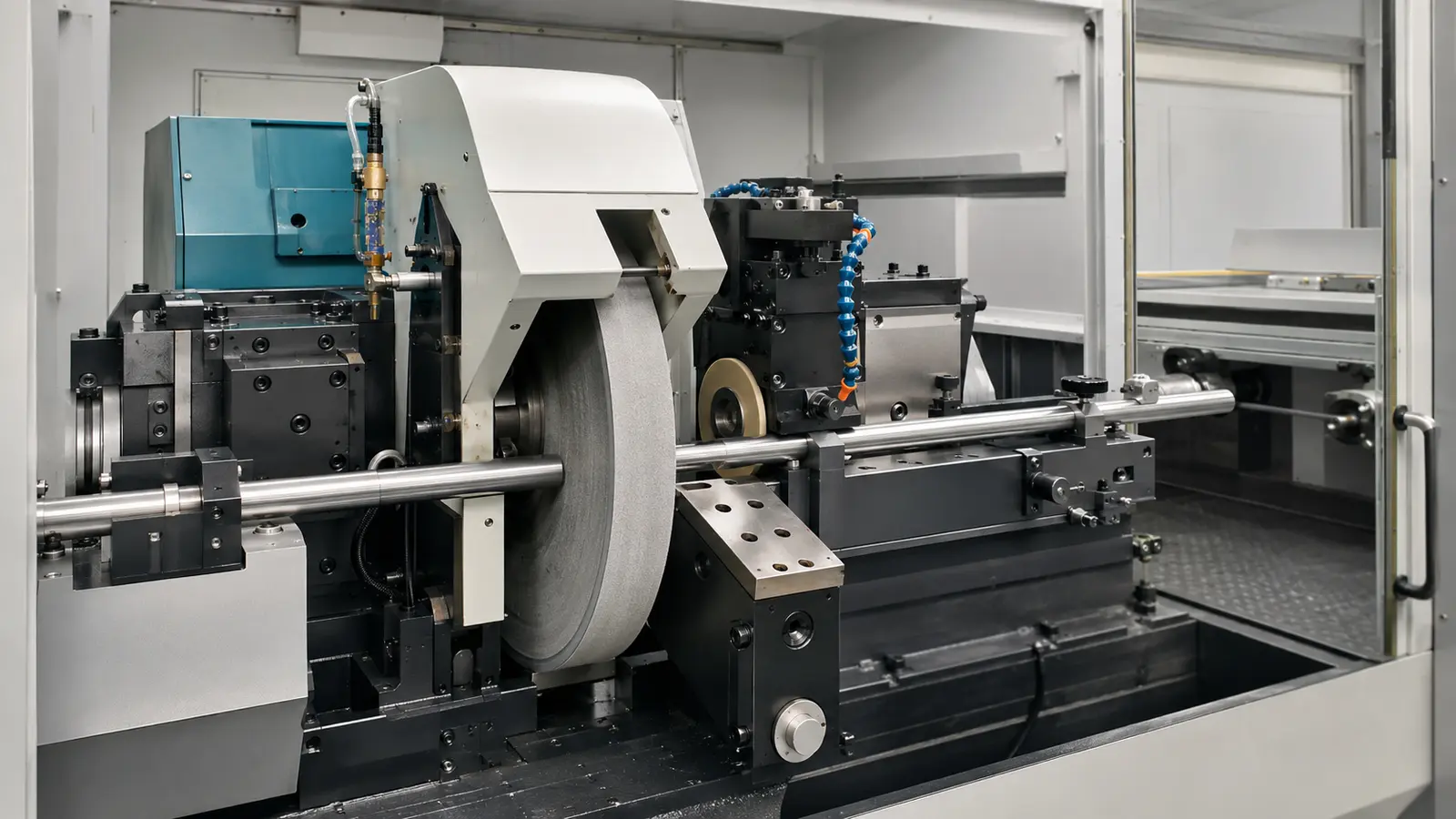
“Wire drawing equipment” is a broad purchasing label. Haige’s Drawing Equipment category includes straight-line and inverted wire drawing machines under hydraulic drawing equipment, an LBJZ-40 chain continuous drawing machine for metal bars and tubes, and combined drawing equipment for bright steel bar production. These are not interchangeable descriptions of one standard machine.
A coil-based wire route normally raises questions about payoff, accumulation, capstan or block arrangement and take-up. A straight bar or tube route raises different questions about pointing, gripping, draw length, transfer, straightening, cutting and collection. A combined bright-bar line adds responsibility for several connected operations. The RFQ should therefore name the material form and the required outlet form before a supplier chooses the equipment family.
This distinction also protects the buyer from misleading keyword matches. A supplier may appear relevant because it uses “wire drawing machine,” “drawbench,” “chain drawing machine” or “combined drawing line” on its website. Qualification depends on whether its proposed route handles the actual material and output, not on whether the page contains the same search term.
Incoming Material Data Controls the Drawing Proposal
Material grade and condition influence deformation behavior, reduction planning, die selection and lubrication. The RFQ should identify the grade or composition specification, the supplied heat-treatment state and any known hardness, strength or ductility information relevant to drawing. Where several materials are planned, list both normal production grades and the most demanding grade expected during the contract period.
Surface preparation belongs in the same discussion. Scale, rust, coating, lubricant carrier and pre-cleaning can affect friction at the die, surface quality and die wear. Rod cleaning, coating and lubrication should be reviewed as connected parts of the drawing process because each one changes the contact condition between the material, lubricant and die. The buyer should state whether the material arrives pickled, mechanically descaled, coated or untreated, and the supplier should identify any preparation assumed by its process proposal.
Incoming defects must be described rather than hidden inside a generic material designation. Rolled-in scale, seams, cracks, porosity or dimensional variation may affect drawability and the condition of the finished product. The equipment supplier cannot guarantee that a machine will remove or correct defects that are outside the drawing process. The RFQ should distinguish defects that must be rejected before drawing from conditions the proposed process is expected to tolerate.
A representative sample can close gaps that documents cannot. Sample material should match the intended grade, input size, surface preparation and condition. If the buyer supplies an easier sample for convenience, the trial record should say so and should not be treated as approval for the full production range.
Reduction, Dies, Lubrication and Heat Must Be Reviewed Together
The pass schedule determines how the total cross-sectional reduction is divided through the drawing route. That schedule interacts with die geometry, material condition, drawing force, line speed, lubrication and cooling. Changing one variable can alter the load and temperature at another stage. An RFQ that asks only for the final diameter leaves the supplier to make assumptions that may be technically different from another supplier’s proposal.
Ask the supplier to return the proposed number of passes or drawing stages, the input and output size at each relevant stage, the die type and responsibility for die design, and the basis for the selected reduction route. The buyer does not need to prescribe calculations when the supplier owns the process proposal, but the assumptions must be visible and traceable to the stated material.
Lubrication and cooling should be described as systems, not consumable names. The response should identify whether the process is based on dry or wet lubrication where applicable, how lubricant is introduced and maintained, what preparation the incoming surface requires, how heat is managed, and which equipment is included for circulation, filtration or cooling. If lubricant selection is outside the machine supplier’s scope, the interface with the lubricant provider should be declared.
The operational consequence is direct. An unsuitable reduction or lubrication assumption can increase drawing force, temperature, die wear, surface damage or wire breaks. That may reduce usable operating speed, increase tool changes or prevent the output from meeting its acceptance criteria. Verification should therefore include a process proposal and a representative trial, not only a motor rating or machine photograph.
Define the Line Around What Happens Before and After Drawing
Machine scope begins before the first die. Depending on the material route, the project may need payoff or loading equipment, pointing, feeding, descaling, coating or pre-straightening. After drawing, the product may require take-up, straightening, cutting, chamfering, inspection, bundling or collection. The RFQ should mark each function as buyer-supplied, supplier-supplied, optional or not applicable.
Control and mechanical interfaces must follow the same boundary. A general arrangement drawing should show material direction, transfer height, machine envelope, maintenance access, operator stations, guarding, utility entry and removal paths for tooling or product. For an integrated line, the supplier should identify the control architecture, interlocks and signals exchanged between units. An undefined interface often becomes an additional cost after the order because neither quotation included the hardware or engineering needed to connect the machines.
Site data change the proposed scope. Available floor space, foundation conditions, electrical supply, cooling-water arrangement, compressed air or hydraulic services where required, crane access and delivery-route limits should be stated early. The supplier’s return should show the actual utility demand and installation assumptions for the offered configuration rather than values copied from a different machine family.
Turn Finished-Product Expectations Into Acceptance Criteria
“Good surface” and “accurate diameter” cannot control an acceptance test. The buyer should define the output diameter or cross-section, tolerance, shape, straightness, surface condition and any mechanical-property requirement that matters to the next operation. Where the product will be cut to length, length tolerance and end condition may also be relevant. For coiled output, coil or spool format, winding condition and package limits may become part of acceptance.
Each criterion needs a measurement method and a test condition. The RFQ should state whether acceptance is based on a short sample, a specified trial batch or a sustained production run; whether the material is buyer-supplied or supplier-supplied; and which instruments or laboratory tests are used. If output properties depend on a later heat treatment or finishing operation, the purchase specification should identify the process stage at which acceptance occurs.
Production acceptance is not identical to a demonstration. A supplier may show that material can pass through the machine, while the buyer needs proof that the agreed output can be produced repeatedly with the offered tooling, line speed, lubrication and handling. The acceptance plan should therefore distinguish basic machine-function checks, product-quality checks, interface checks and documentation handover.
Use an RFQ Requirement Table to Make Offers Comparable
| RFQ Section | Information the Buyer Provides | Response Required From the Supplier | Why It Changes the Decision |
|---|---|---|---|
| Product form and route | Coil wire, straight bar or tube; required outlet form and next process | Selected equipment family, material-flow diagram and scope boundary | It determines whether the project needs a drawing machine, drawbench, chain system or combined line |
| Material specification | Grade, condition, known mechanical properties and production range | Material assumptions, drawability questions and any required sample test | Material behavior affects reduction, tooling, force, lubrication and risk of breakage |
| Input and output dimensions | Starting range, target range, tolerance, shape and dimensional variation | Proposed pass schedule, die sequence and accepted operating envelope | Suppliers may otherwise quote different numbers of stages and different machine loads |
| Surface preparation | Scale, rust, coating, cleaning or pickling condition and known defects | Required preparation, lubricant interface and excluded defect responsibility | Preparation affects friction, die wear, surface condition and process stability |
| Line configuration | Required loading, pointing, drawing, straightening, cutting, take-up or collection functions | Included machines, optional units, control interfaces and layout | A standalone machine and an integrated line cannot be compared on headline price |
| Tooling and consumables | Desired tooling responsibility, production mix and changeover expectations | Included dies, holders, pointing tools, lubricant-system scope, wear parts and spares | Missing start-up tooling or consumables can delay commissioning and change operating cost |
| Site and utilities | Floor space, foundation, power, cooling and other available services | Dimensioned layout, utility schedule, connection points and installation assumptions | Site mismatch can require building work, utility upgrades or a different configuration |
| Acceptance | Output criteria, sample material, test duration, measurement method and documentation | Factory test plan, product-inspection plan, exclusions and records supplied | Acceptance disputes occur when machine operation and product quality are treated as the same test |
| Commercial handover | Required packing, installation, commissioning, training and document language | Included services, optional services, buyer responsibilities, deviations and delivery basis | Commercial comparison remains incomplete until service and handover scope are aligned |
Completing the table does not force every supplier to propose the same machine. It forces each supplier to solve the same production problem. Different technical routes may remain valid, but the buyer can then compare the assumptions, trade-offs and evidence behind them.
The FLS Page Is a Line-Architecture Reference, Not a Complete Offer
The available product data for the FLS Series Double-Chain Drawing Machine describes a combined drawing system for bright steel bars that integrates drawing, straightening, cutting and collection. That makes the page relevant when the buyer is considering a continuous multi-operation route rather than a drawing unit alone.
The published description does not confirm the material range, dimensions, tolerance, production rate, utility demand, tooling, inspection method or exact boundaries of a new project. Those fields must be established in the RFQ. The buyer should also confirm whether pointing, surface preparation, chamfering, final inspection, bundling or other adjacent functions are included, optional or supplied separately.
For a different material form, another product route may be more appropriate. The Straight Line Wire Drawing Machine and Inverted Wire Drawing Machine are listed under hydraulic drawing equipment, while the LBJZ-40 Chain Continuous Drawing Machine is described for continuous drawing of metal bars and tubes. These product references show why the supplier must select a configuration from the application rather than from one keyword.
Require a Supplier Return That Can Be Audited
A strong supplier response should contain more than a quotation sheet. It should return a controlled technical package that engineering, production and procurement can review against the same RFQ.
- Selected route and configuration: identify the machine family, included line units, material-flow direction and reason the configuration matches the input and output forms.
- Process basis: state the material assumptions, proposed reduction route, die responsibility, lubrication concept and conditions requiring a trial.
- Layout and utilities: provide a dimensioned arrangement with access zones, interfaces, foundations or support assumptions and model-specific utility data.
- Tooling and operating scope: list dies, holders, pointing tools, handling accessories, consumables, recommended spares and tasks assigned to the buyer.
- Inspection and acceptance: return the proposed factory test, sample requirements, output measurements, records supplied and any criterion not included in the test.
- Assumptions and deviations: mark requested items as included, optional, excluded, not applicable or awaiting buyer confirmation.
This structure exposes a common commercial problem: one supplier may quote a machine-only package while another includes tooling, handling, cooling, commissioning or inspection. Align the technical scope, accessories, documentation, test basis and service responsibilities first. Price and lead time can then be compared against a defined deliverable.
When Does the Recommended Equipment Route Change?
The recommendation changes when the product form changes. Fine wire produced and collected in coils, long straight bars, tubes and cut-to-length bright bars require different handling and line functions. A combined line may be appropriate when drawing, straightening, cutting and collection must operate as one route, while a standalone or hydraulic drawbench may be more suitable when production is discontinuous or downstream equipment already exists.
Material behavior can also change the answer. A new grade, harder condition, larger total reduction, different surface preparation or stricter output requirement may require another pass schedule, tooling system or pre-treatment. When those changes are outside the original trial conditions, the supplier should review the process again rather than extend the first approval by assumption.
The RFQ guide also has limits. It does not replace the buyer’s material specification, product standard, safety assessment or local installation requirements. Those documents control the final project where applicable. The equipment supplier should identify how its proposed machine fits them and declare any requirement it cannot verify.
Submit a Controlled RFQ Package
Before requesting a final offer, assemble the input and output specification, material list, sample information, drawing-route preference, surface-preparation condition, proposed line diagram, site layout, utility data, tooling responsibility, acceptance criteria and documentation requirements. Give the same revision to every shortlisted wire drawing equipment supplier.
Ask the response to identify the selected equipment, process assumptions, included modules, optional equipment, interfaces, tooling, utilities, factory test, handover documents, exclusions and unresolved questions. Any later change to the material range, output requirement or line boundary should be recorded through a revised RFQ or purchase-order attachment so that the approved scope remains traceable.
Once the package is ready, submit it through Haige’s project contact form. The initial technical discussion should determine which drawing route fits the material flow, which information still needs a sample or calculation, and what must be aligned before suppliers issue comparable commercial offers.