China Surface Treatment Electroplating Machinery Buying Guide: OEM/ODM Wholesale Suppliers | Yantai Haige Machine Tools Co., Ltd.

China Surface Treatment Electroplating Machinery Buying Guide: OEM/ODM Wholesale Suppliers

For a project engineer, sourcing Surface Treatment Electroplating Machinery starts with clear specification confirmation, not just a fast price request. This page helps you review options around China Cheap OEM Wholesale Buy Best Famous Discount CE Certification High-Quality ODM Surface Treatment Electroplating Machinery Manufacturer, Factory, Suppliers with practical questions for custom projects.

Use it to align application needs, brand customization, sample checks, and project consistency before contacting Yantai Haige Machine Tools Co., Ltd. with detailed requirements.

Hot Selling Product

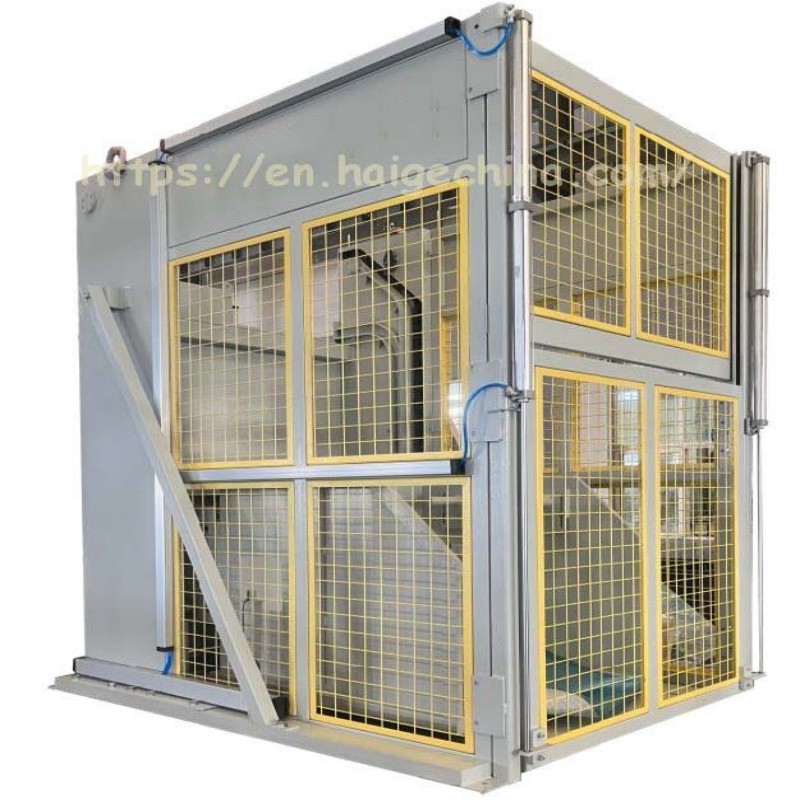
Centralised coolant treatment system

Centralised coolant treatment system

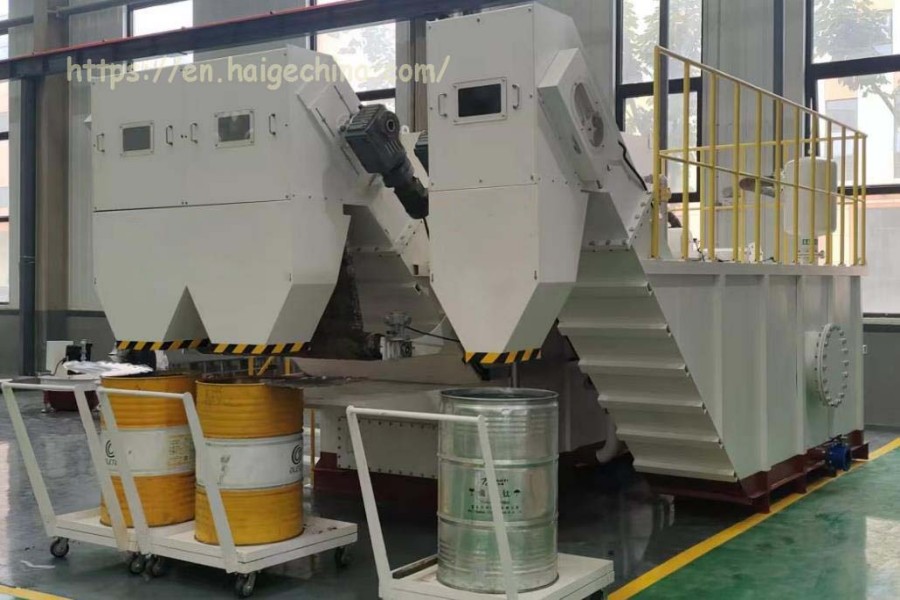
Coolant central filtering system is mainly used in machine processing lines for central cooling and filtration. It is composed of a scraper chip conveyor, negative pressure paper band filter, coolant distributor, liquid-supply pump group, coolant anti-corrosion system, PLC electric control system and coolant-return pump etc.

Read More
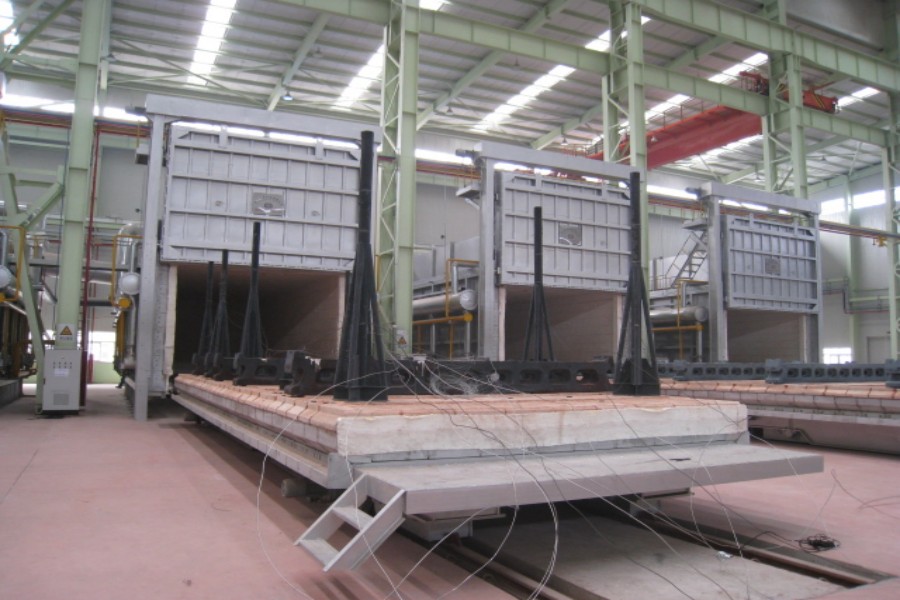
Gas-fired trolley-type heat treatment furnace

Gas-fired trolley-type heat treatment furnace

This is equipment with a multi-furnace side-by-side layout, a periodic-type thermal processing equipment specially for heavy castings and forgings. It is widely applied for annealing, normalizing, tempering and stress relieving of oversized heavy components in heavy industry. The furnace consists of a furnace shell, a lift-type furnace door, a rail-mounted heavy-load bogie, a gas combustion system and an intelligent electrical control system. The electrically driven bogie travels along ground rails to move into/out of the furnace chamber for convenient bulk loading & unloading of super-long and overweight workpieces.

Read More
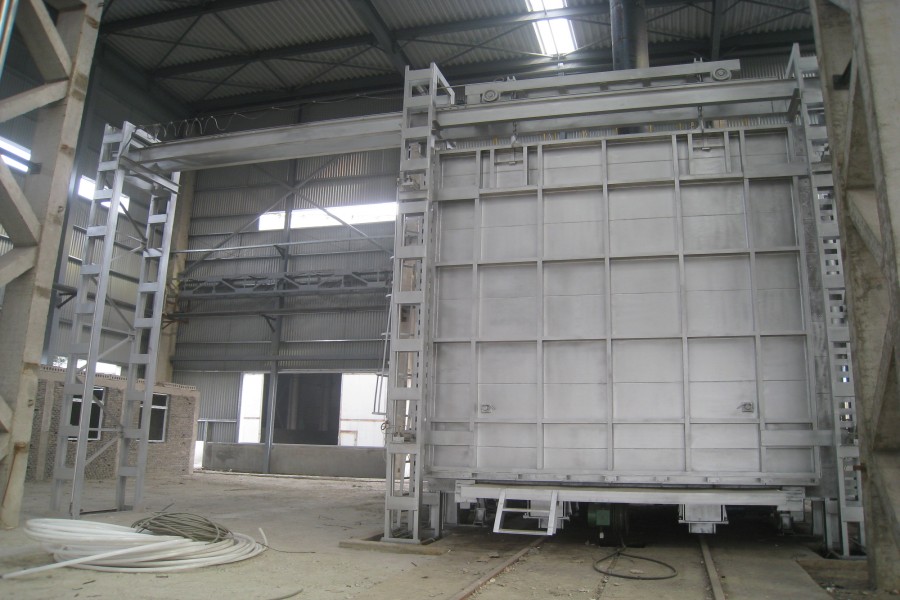
Heat treatment furnace for sliding door carriages

Heat treatment furnace for sliding door carriages

This equipment is a bogie hearth gas furnace with a sliding door, a periodic industrial thermal processing furnace for metal heat treatment. The furnace body is built with a full steel frame structure and a sealed sliding furnace door. An electrically driven heavy-duty bogie travels on bottom rails, which can automatically move in and out of the furnace chamber for easy loading/unloading of heavy castings and forgings in batches.

Read More
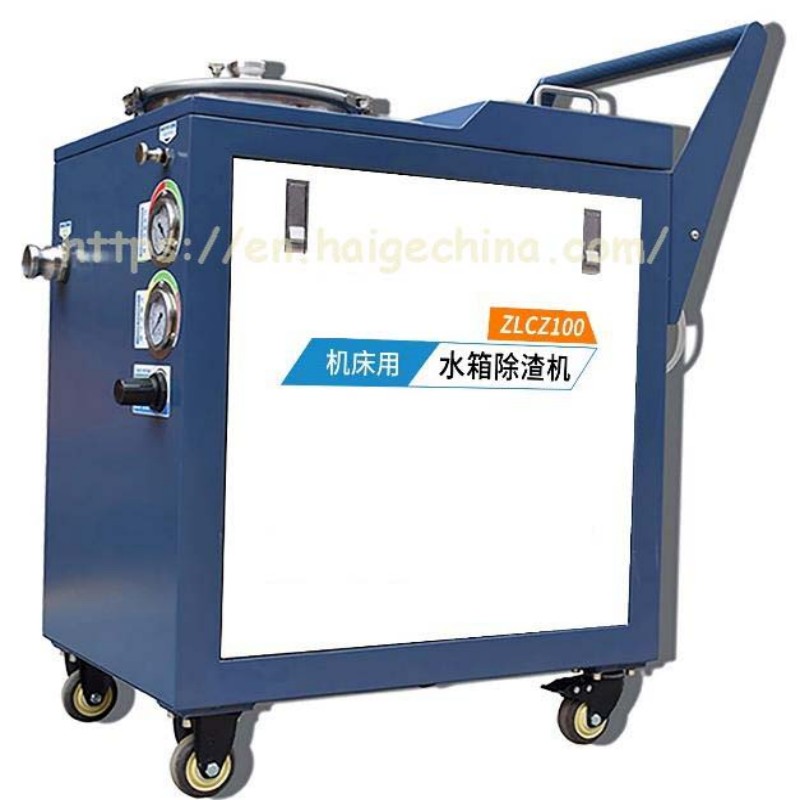
ZLCZ Series Debris Removers (for machine tools)

ZLCZ Series Debris Removers (for machine tools)

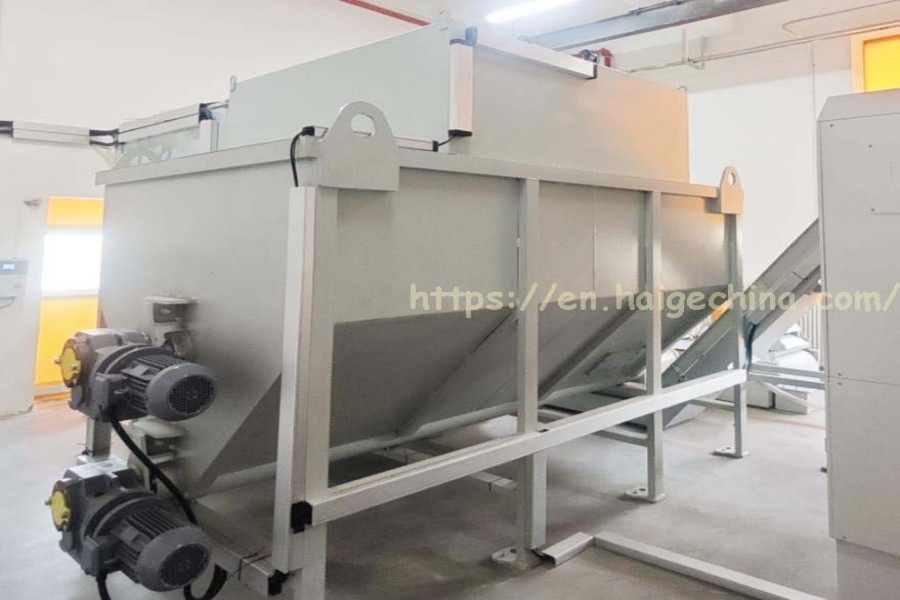
ZLCZ series slag remover is mainly applicable to the cleaning of metal and non-metal debris, sludge, etc. in the water tank of the machine tool. The main components of the machine include inlet and outlet pipe parts, filter barrel parts, water pump parts and box parts. The mixture of cutting fluid and metal debris is sucked into the filter barrel through the water inlet of the water pump, and the cutting fluid filtered by the filter screen is sent back to the cutting fluid pool, and the purpose of removing debris and debris is achieved by circulating filtration. This machine is plug free, the quick connector is plug and play, the machine tool is free of shut down, and can be cleaned at any time.

Read More
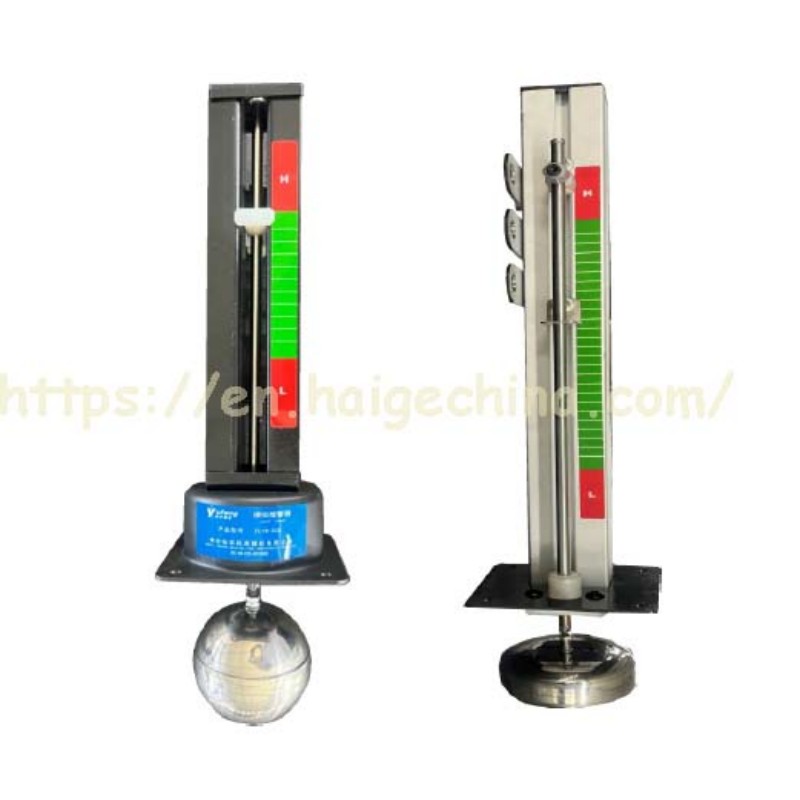
ZLYB Series Float-Type Liquid Level Alarms

ZLYB Series Float-Type Liquid Level Alarms

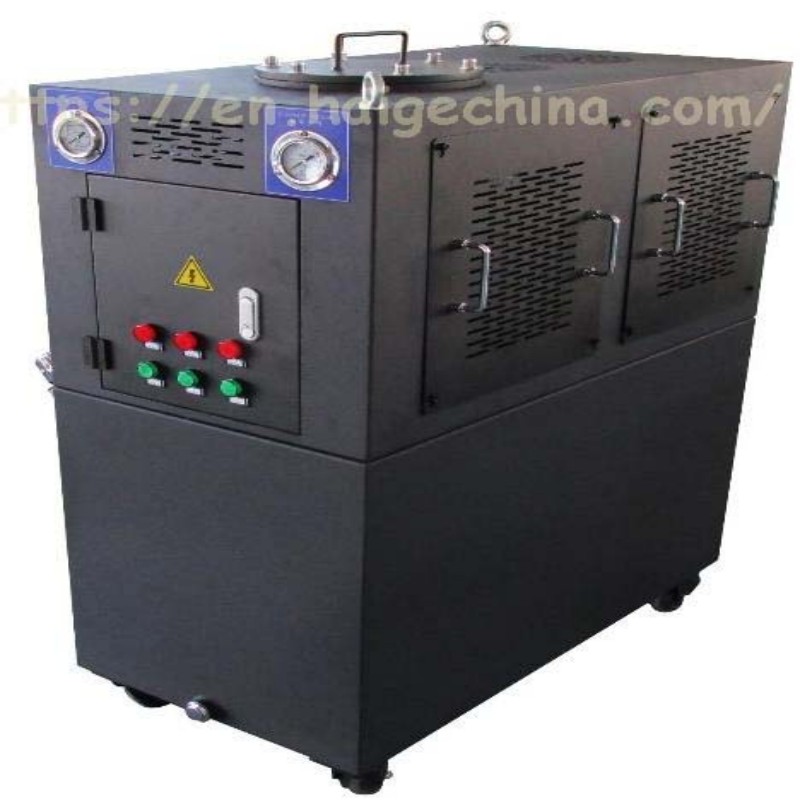
ZLYB series float ball level alarm is mainly used to control the level of liquid. When the level reaches the upper and lower switching values, the proximity switch sends out a signal to control the start and stop of the water pump. The device has the advantages of convenient installation and high reliability. The alarm point can be adjusted manually and set freely.

Read More
ZLFS Series Chip Shredders

ZLFS Series Chip Shredders

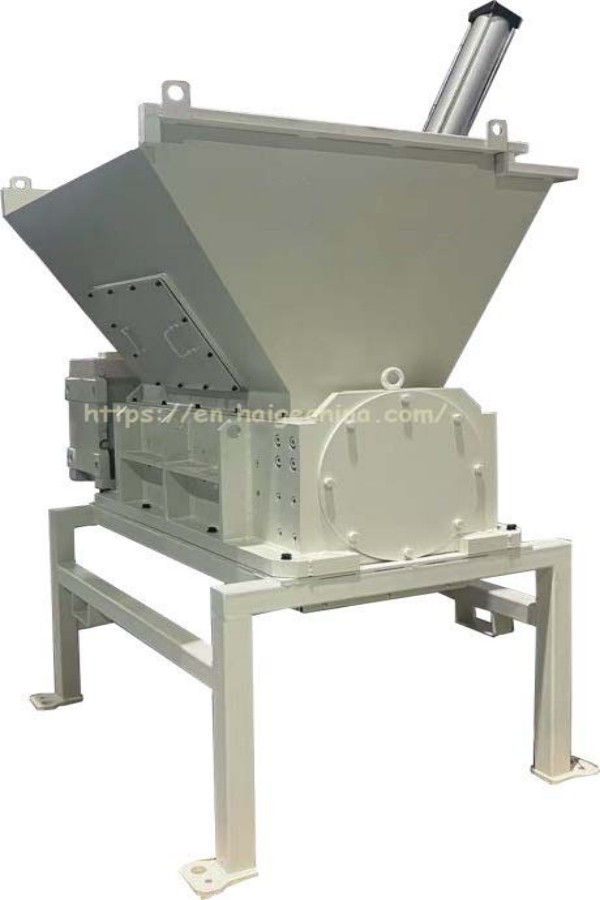
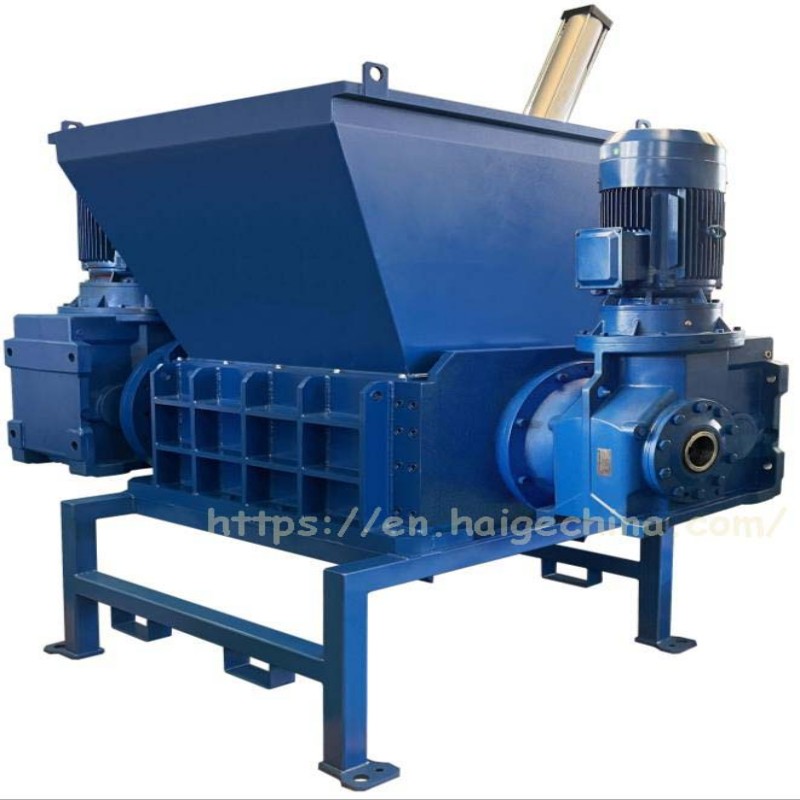
The ZLFS series iron chip crusher is a professional machine for crushing large metal chips to the required size. The cutter head of the pulverizer is made of high anti-wear material, and the blades are arranged in a spiral shape. It has the functions of tearing, extruding, and biting. This equipment can be controlled by PLC programming, and has the functions of automatic detection and overload protection. The iron chip crusher can effectively reduce the volume of chips, smash the long, roll and round chips discharged from the machine tool, facilitate transportation, and also serve as the front of various centralized transportation such as chip separation and drying, crushing, pump transportation, and air transportation.

Read More

How To Compare Surface Treatment Electroplating Machinery Options

Product Guide

The related product list helps you compare China Cheap OEM Wholesale Buy Best Famous Discount CE Certification High-Quality ODM Surface Treatment Electroplating Machinery Manufacturer, Factory, Suppliers by actual product direction rather than keyword wording alone. Check whether each product supports custom specification confirmation, then use the table below to prepare a clearer RFQ.

Criterion What To Check Why It Matters Buyer Tip
Sample confirmation Ask for test piece process data Reduces coating mismatch risk Share substrate and target finish
Technical details Confirm tank size, power, control logic Keeps custom specs aligned Use one approved spec sheet
Quality checks Review inspection points before shipment Supports project consistency Define acceptance items early
Brand customization Confirm OEM/ODM nameplate and layout Avoids late design changes Approve drawings before production
After-sales support Clarify installation and spare parts scope Limits downtime after delivery Request support terms in writing

How To Choose Surface Treatment Electroplating Machinery Supplier

If you are searching for China Cheap OEM Wholesale Buy Best Famous Discount CE Certification High-Quality ODM Surface Treatment Electroplating Machinery Manufacturer, Factory, Suppliers, focus on whether the supplier can understand your actual process, technical details, customization scope, and quality expectations.

The best next step is to prepare drawings, sample references, target output, surface treatment requirements, voltage or layout needs, packaging expectations, and after-sales questions. This makes supplier communication more accurate and reduces project risk.

Begin with the application. Define what parts or materials will be processed, the required treatment result, production environment, and any installation limits. A clear use case helps the supplier judge whether standard machinery is suitable or whether ODM/OEM adjustment is needed.

Prepare a specification checklist before requesting a quotation. Include working size, capacity needs, control preferences, tank or line configuration, material contact requirements, power standards, environmental considerations, and any CE certification or market compliance questions relevant to your project.

For custom specification confirmation, ask how samples, drawings, and technical details are reviewed. Confirm whether the supplier can support brand customization, layout matching, packaging consistency, inspection records, and communication during production.

When comparing suppliers, do not evaluate by discount price alone. Review whether replies are specific, whether questions are answered clearly, and whether after-sales support, spare parts discussion, installation guidance, and quality checks are addressed before the order is confirmed.

Criteria Importance Description Example Options
Specification clarity High Reduces design changes Drawings and process flow
Customization scope High Matches OEM or ODM needs Fixtures, layout, controls
Quality checkpoints High Supports risk reduction Weld, wiring, function checks
Application fit Medium Confirms process compatibility Material, coating, chemistry
Support documents Medium Improves handover consistency Manuals and maintenance lists

Top Product Matches

Recommended Products

Top product matches should be reviewed by fit, specification clarity, customization readiness, and how well they support buyer risk reduction. Use these factors to shortlist practical options before contacting the supplier.

Top Selling Product Selection Factors

Spec confirmation depth Key for custom projects
Sample review readiness Helps verify process fit
OEM/ODM coordination Supports brand consistency
Quality checkpoint clarity Reduces delivery disputes
After-sales planning Improves startup control

Blog Articles / Reviews

How to Choose a Bar Peeling Machine for Round Bar Surface Defect Removal

How to Choose a Bar Peeling Machine for Round Bar Surface Defect Removal

For round bar producers, steel mills and machining material suppliers, a bar peeling machine is usually purchased to solve a very specific production problem: the incoming bar surface cannot meet the next process requirement. Hot-rolled bars may carry oxide scale. Forged or rolled bars may have shallow cracks, decarburized layers, rust or uneven outer surfaces. […]

Why Centerless Lathes Matter for Precision Bar Surface Finishing

Why Centerless Lathes Matter for Precision Bar Surface Finishing

In metal bar production, surface quality is not only a visual requirement. For many steel, copper, titanium, magnesium and aluminum materials, surface cracks, oxide layers and decarburized layers can affect downstream machining, drawing, polishing, heat treatment and final product stability. A centerless lathe is designed to remove these surface defects efficiently while keeping the bar […]

How Abrasive Belt Grinding Supports Bright Bar Surface Quality

How Abrasive Belt Grinding Supports Bright Bar Surface Quality

Bright bar surface quality depends on more than one machine. In many production lines, abrasive belt grinding and polishing equipment is used after peeling, turning or straightening to improve surface appearance, remove fine marks and prepare the material for higher-value applications. A well-configured grinding process can make the final product more consistent and easier to […]

Buyer feedback on this page reflects common sourcing situations such as organizing sample questions, confirming application details, shortlisting related products, and planning a custom project.

Morgan T. Ellis August 21, 2026
I used the page to separate surface treatment electroplating machinery needs by part size, bath sequence, and handling method before preparing our inquiry.
Priya N. Shah August 14, 2026
I appreciated how the surface treatment electroplating machinery topic pushed me to ask about pretreatment, rinsing, plating stages, and control preferences upfront.
Caleb R. Morgan August 6, 2026
I shared this with our maintenance and production teams because it helped us compare surface treatment electroplating machinery around workflow, cleaning steps, and operator access.
Elena V. Brooks July 29, 2026
I used the tag page as a checklist for surface treatment electroplating machinery, especially clarifying workpiece materials, chemical process flow, and space constraints.

Frequently Asked Questions

How should a project engineer confirm samples for custom Surface Treatment Electroplating Machinery?

Prepare drawings, process flow, workpiece size, material, coating target, loading method, and control requirements. Use the sample stage to compare feasibility, interface details, and project consistency before moving to OEM or ODM specification confirmation.

Which technical details matter most when discussing China OEM Surface Treatment Electroplating Machinery suppliers?

Key details include tank layout, fixture design, power supply matching, ventilation interface, material compatibility, automation level, and safety interlocks. Clear technical inputs help reduce rework and align the machinery with the intended production process.

How can buyers reduce quality risks without relying only on “cheap” or “discount” claims?

Request a structured checklist covering materials, welds, electrical components, control logic, corrosion protection, inspection points, and documentation. Comparing these items is more reliable than judging by promotional terms such as cheap, famous, or discount.

What after-sales support questions should be asked before choosing a Surface Treatment Electroplating Machinery manufacturer?

Ask about installation guidance, operation manuals, spare part identification, remote troubleshooting, maintenance procedures, and response workflow. These questions help project engineers assess long-term usability and avoid unclear responsibilities after equipment acceptance.

How do I confirm whether ODM electroplating machinery fits a specific application?

Share the substrate, product geometry, coating purpose, bath chemistry, throughput expectation, handling constraints, and site utilities. The supplier can then review process compatibility and suggest adjustments for line structure, fixtures, and control configuration.

Can brand customization be planned while keeping project consistency across related equipment?

Yes. Confirm nameplate content, appearance preferences, HMI language, documentation format, component preferences, and interface standards early. Consistent branding and specifications help align the equipment with the buyer’s internal project, training, and maintenance practices.

Leave Your Message

Send your application details, drawings, sample references, quantity range, destination, and customization needs so the supplier can review the project more accurately.