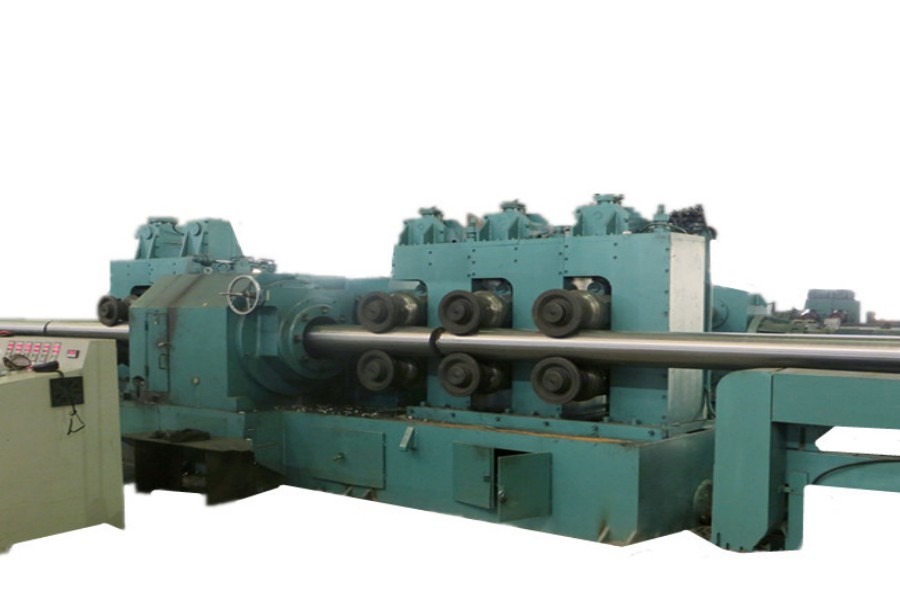
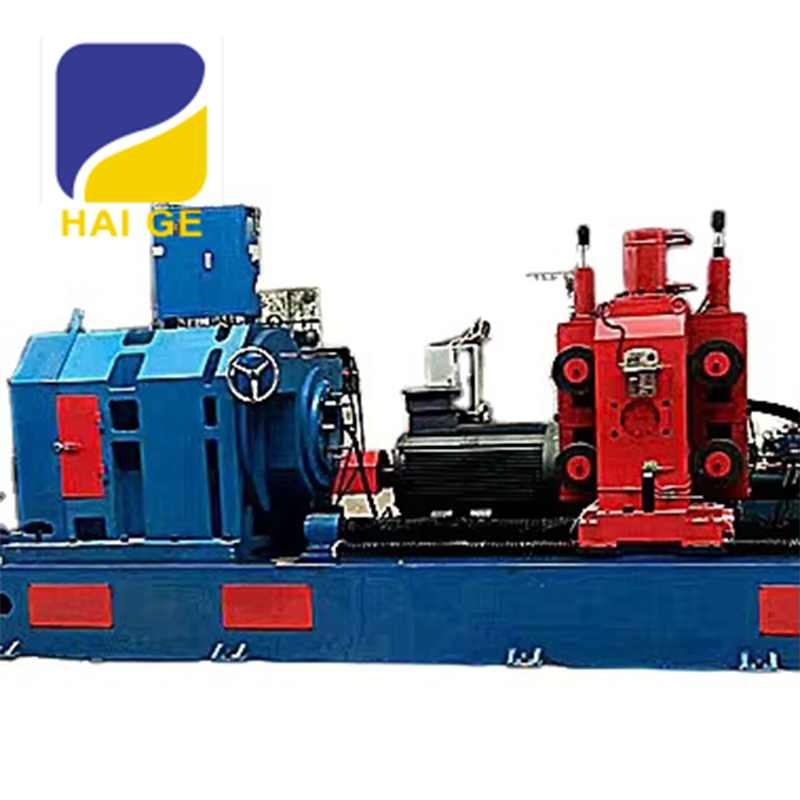
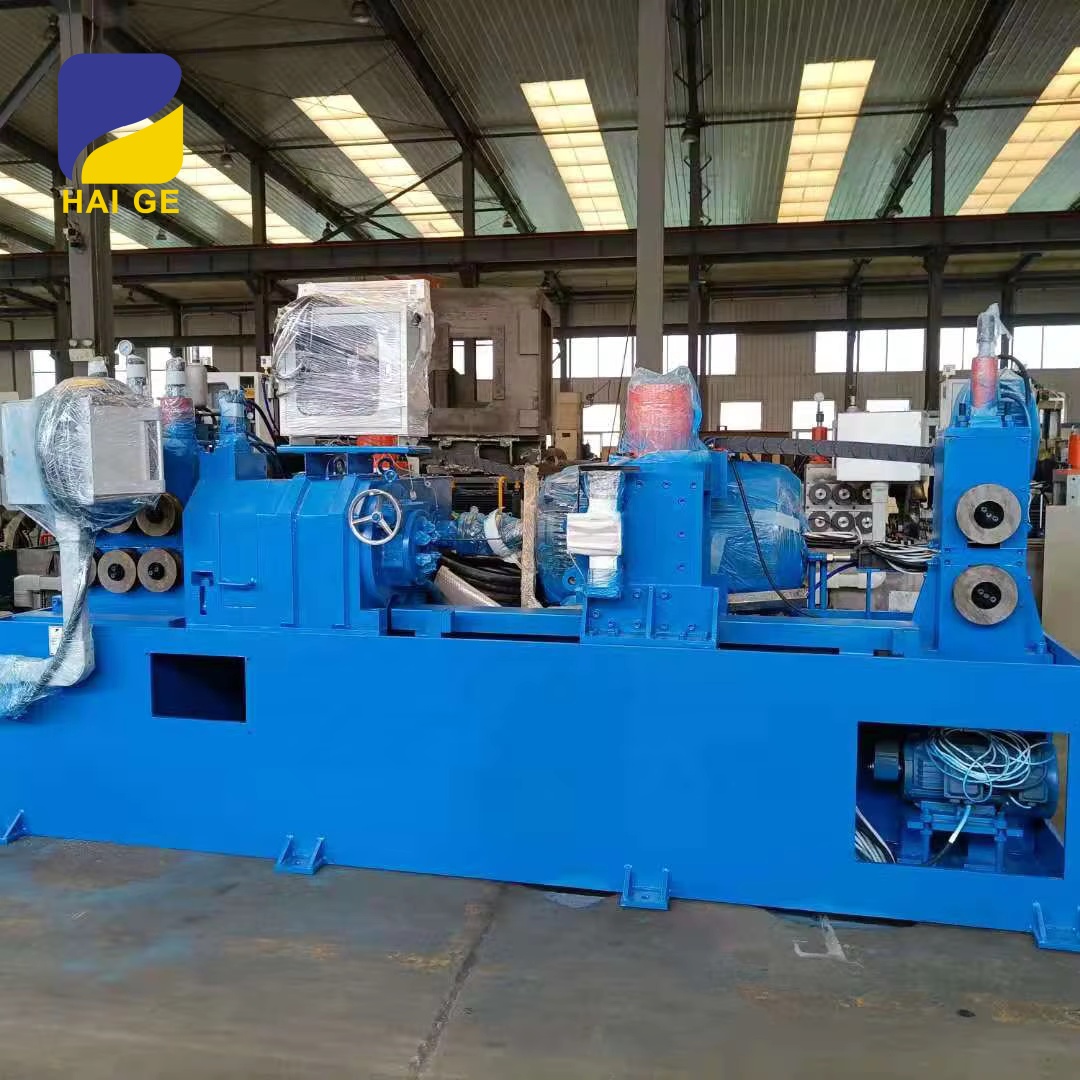
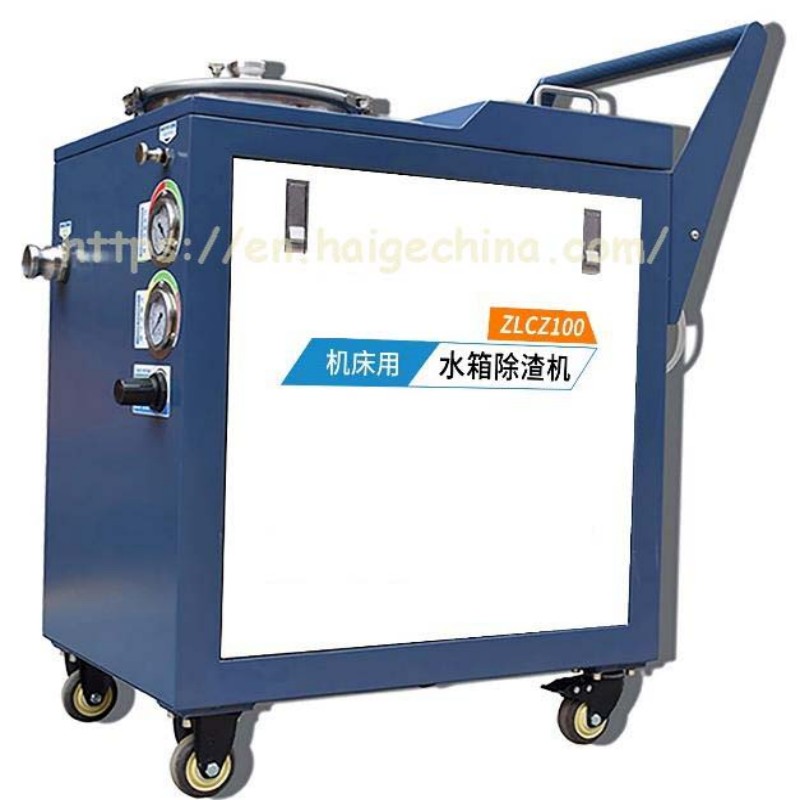
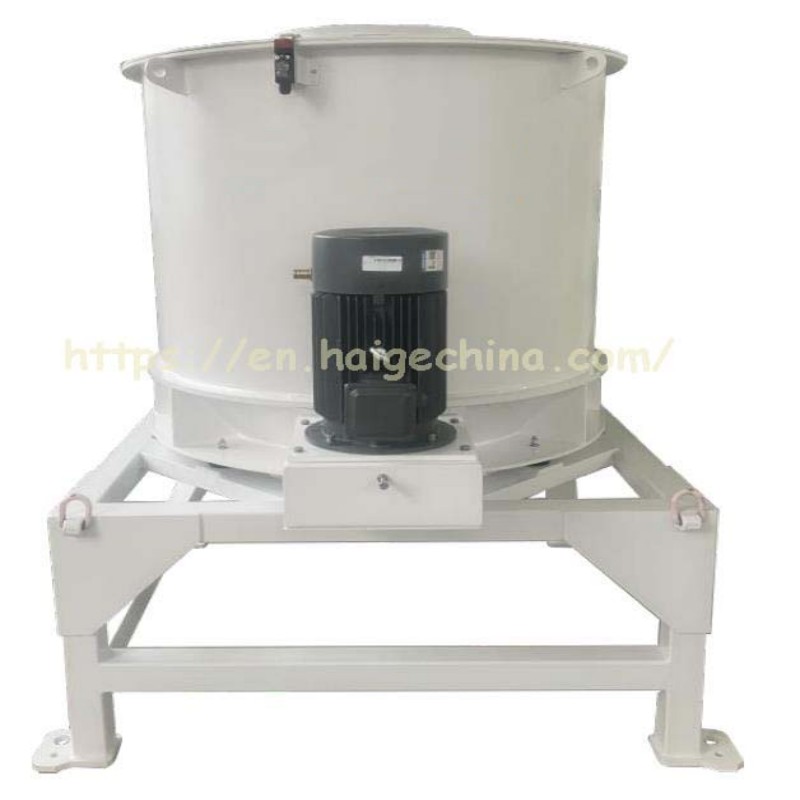
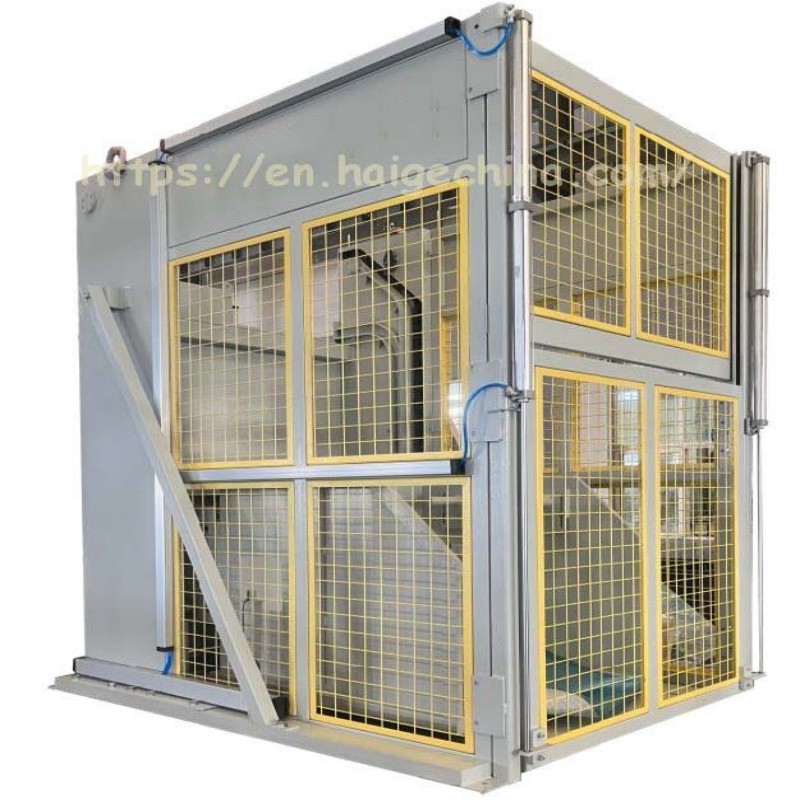
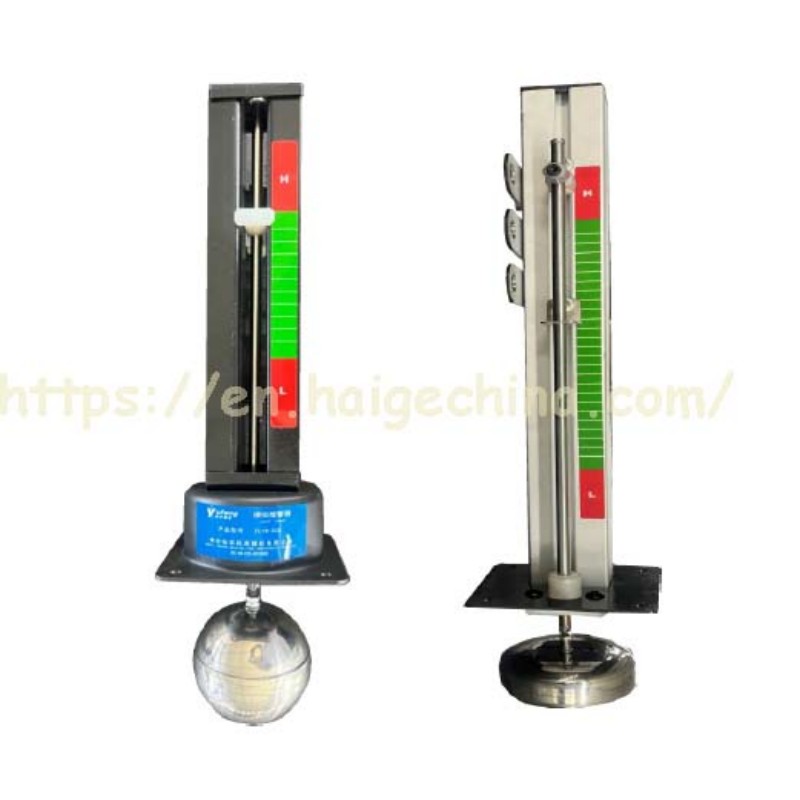
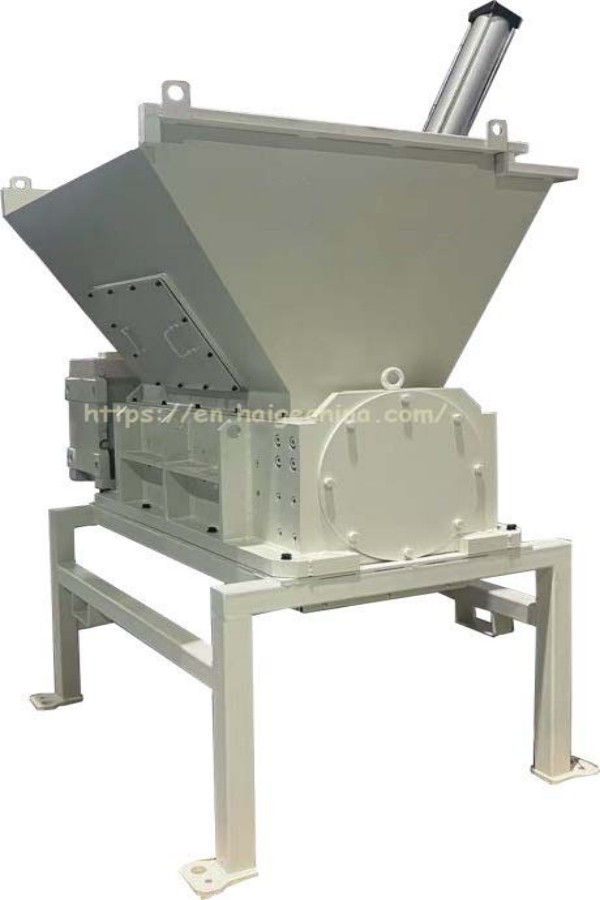
A Polishing Machine Manufacturer should be evaluated by how well it can discuss your application, specification requirements, customization needs, and order conditions. For custom projects, the best first step is to share drawings, target use, quantity range, branding needs, and destination market.
This page helps buyers turn a broad search into a practical sourcing checklist. It supports comparison of related products, sample confirmation, quotation details, packaging requirements, and project consistency before moving to purchase discussion.
Start with the application. A project engineer should define the workpiece type, polishing requirement, operating environment, expected finish, and any dimensional or production constraints. Clear use conditions help the supplier recommend a more suitable machine configuration.
Prepare a specification checklist before requesting a quotation. Include voltage, machine size, processing capacity, control preferences, tooling needs, safety expectations, branding requirements, packing method, and whether OEM or ODM support is required for the project.
For risk reduction, ask about sample confirmation, technical documents, packaging photos, inspection steps, and estimated lead time. If the project has multiple phases, explain whether the first order is for testing, pilot production, or regular procurement.
When comparing replies, look beyond the unit price. Review whether the supplier answers technical questions clearly, requests missing details, explains customization limits, and keeps the project information consistent across product selection, quotation, and delivery planning.