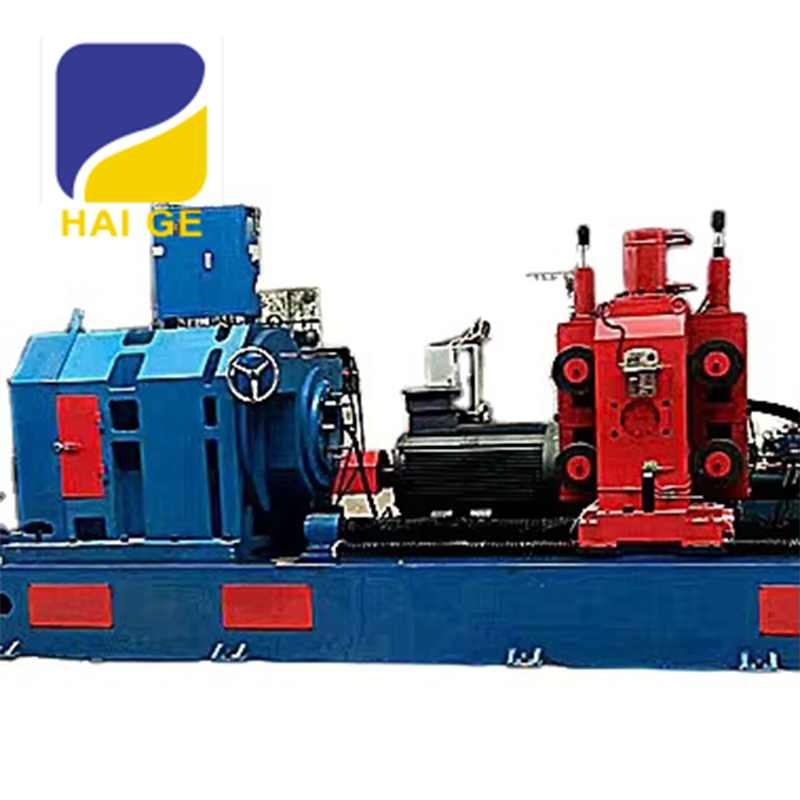
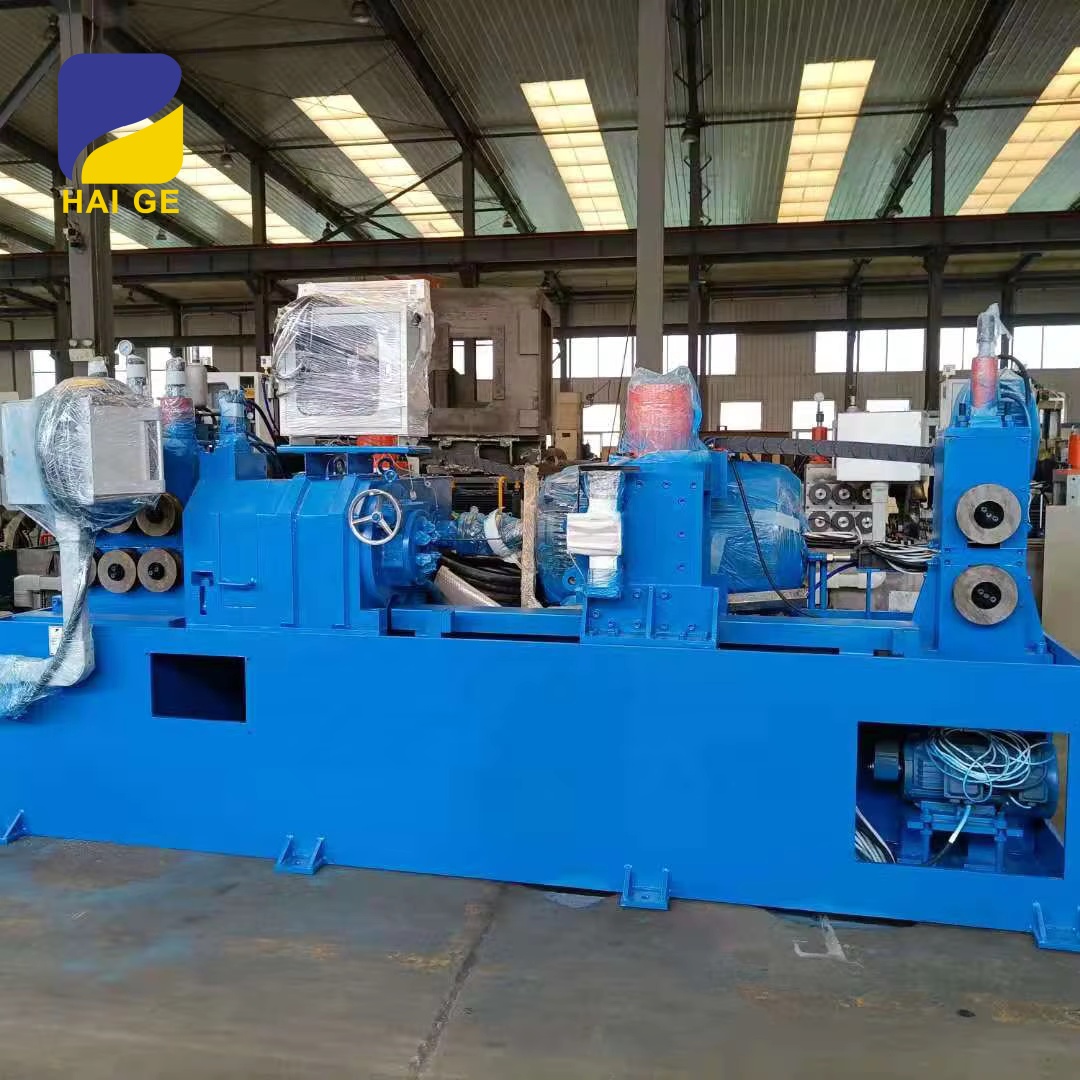
If you are sourcing a metal straightening machine, start by matching the machine type to your material, straightening range, process flow, and required output. Then confirm whether the supplier can support the drawings, sample checks, packaging requests, and documentation needed for your OEM plan.
A useful RFQ should include application details, target specifications, estimated order quantity, destination, and expected approval timeline. This helps the supplier respond with relevant options instead of a general catalog.
Begin with the application. Share the metal type, size range, current bending or deformation condition, required straightness, and how the machine will connect with upstream or downstream production. These details help determine whether a standard model, adjusted configuration, or ODM discussion is more suitable.
For OEM project planning, clarify the customization scope before focusing on price. Ask what can be adjusted, such as working range, feeding method, control settings, fixture design, surface treatment, nameplate, packaging, or documentation. If samples are needed, confirm how samples will be reviewed and what acceptance criteria will be used.
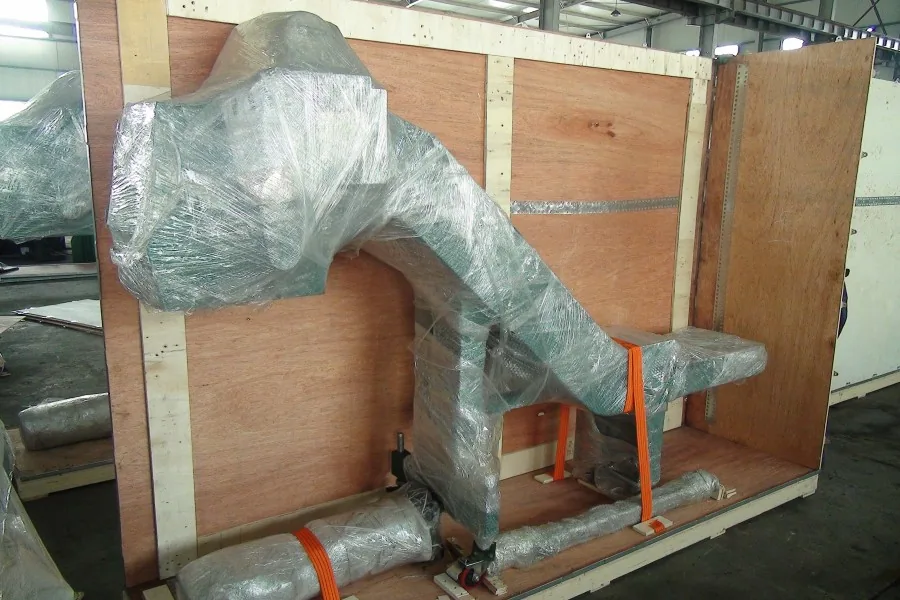
When requesting a quotation, include quantity range, delivery destination, required certificates if applicable, packaging requirements, and target lead time. If the order is for export, ask how the supplier packs machinery, marks cartons or crates, and prepares basic shipping information.
Compare supplier responses by technical relevance, communication detail, and willingness to confirm specifications before production. A strong shortlist should make it easier to review related products, compare options, and move toward sample confirmation with fewer misunderstandings.