Automated Polishing Machine Sourcing in China: OEM/ODM Manufacturers, Wholesale Suppliers & Exporters | Yantai Haige Machine Tools Co., Ltd.

Automated Polishing Machine Sourcing in China: OEM/ODM Manufacturers, Wholesale Suppliers & Exporters

Use this page to evaluate China Cheap OEM Wholesale Buy Best Famous Discount CE Certification High-Quality ODM Automated Polishing Machine Supplier Manufacturer, Factory, Suppliers, Expo from the perspective of new product line development. It brings together related products, practical selection checks, and buyer questions so your inquiry can be more specific from the beginning.

For a product development team, the most useful starting point is quality inspection points and documentation. Review the product matches, comparison notes, FAQs, and recent buyer-style feedback before sending final requirements.

Hot Selling Product

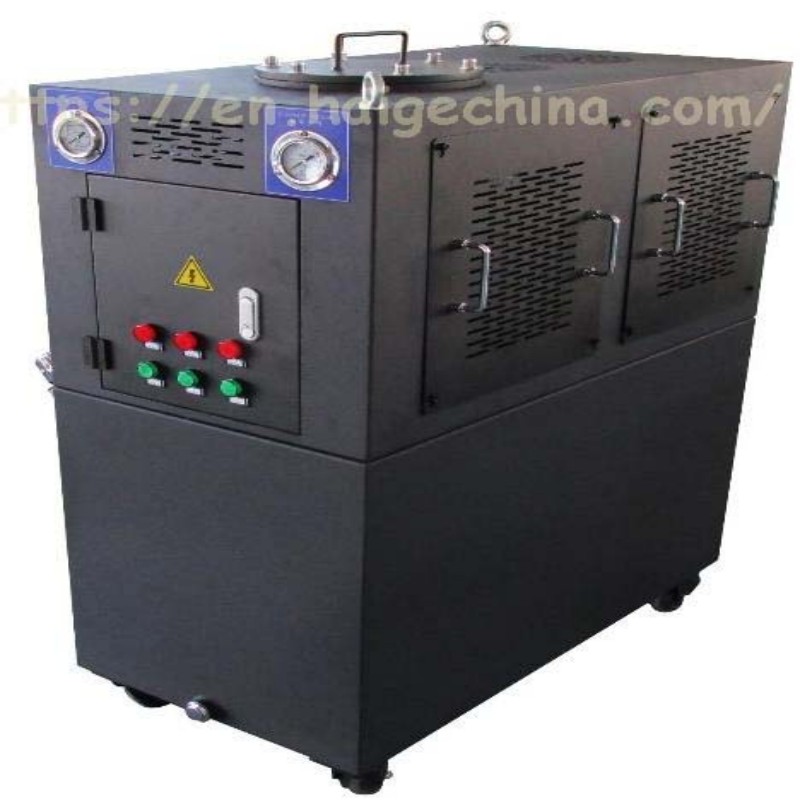
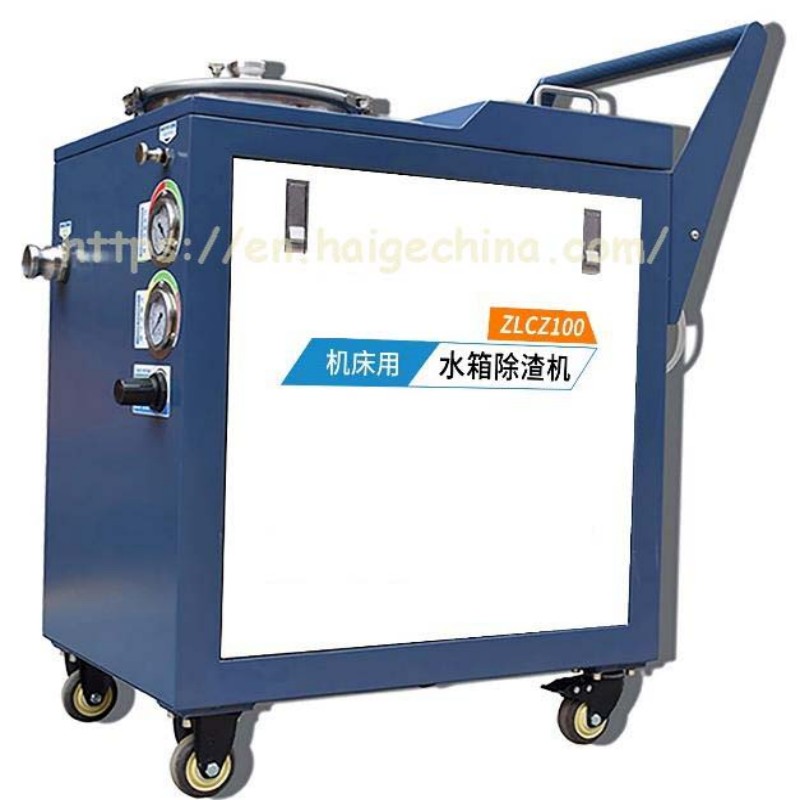
ZLCZ Series Debris Removers (for machine tools)

ZLCZ Series Debris Removers (for machine tools)

ZLCZ series slag remover is mainly applicable to the cleaning of metal and non-metal debris, sludge, etc. in the water tank of the machine tool. The main components of the machine include inlet and outlet pipe parts, filter barrel parts, water pump parts and box parts. The mixture of cutting fluid and metal debris is sucked into the filter barrel through the water inlet of the water pump, and the cutting fluid filtered by the filter screen is sent back to the cutting fluid pool, and the purpose of removing debris and debris is achieved by circulating filtration. This machine is plug free, the quick connector is plug and play, the machine tool is free of shut down, and can be cleaned at any time.

Read More
ZLTY Series Chip De-oiling Machines

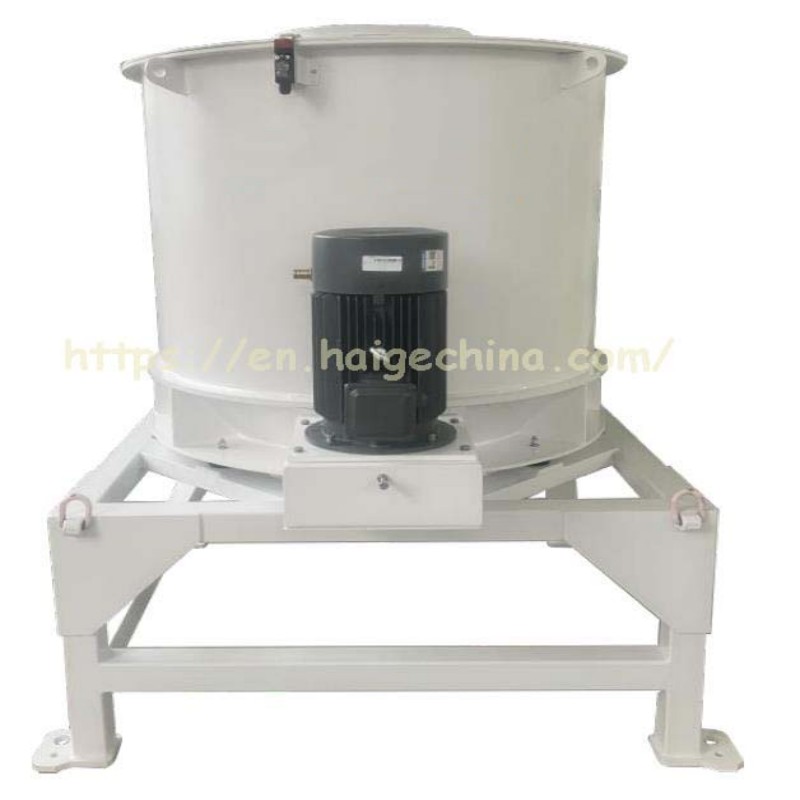
ZLTY Series Chip De-oiling Machines

ZLTY series chip dryer is mainly used for separating the oil -chips from machine tools(like gear-cutting machines and gun-drills) using expensive coolant (cutting oil) as coolant. Oil-chips drop into the rotary drum of the dryer through a conveying device, and metal filings with coolant (cutting oil) are dried by the action of high-speed centrifugal force, so as to separate oil from the chips. It has a separating load of 100–1000 kg/h, with a drying rate ≥95%. The recycled liquid can be reused, thus making it economical and environmentally friendly.

Read More
ZLTF Series Lifting and Tipping Machines

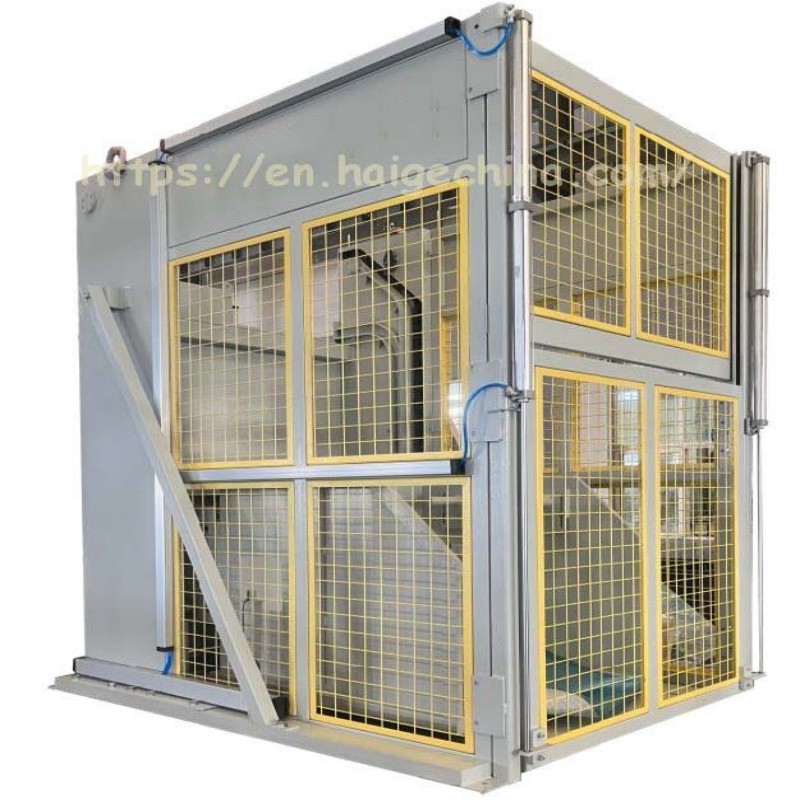
ZLTF Series Lifting and Tipping Machines

ZLTF series lifting and tipping machines are mainly used for the transfer and tipping of solid materials. When working, the chip collecting truck is lifted toa certain height, and the material is automatically inverted. The equipment is equipped with a limit interlock protection device and a protective device. When in use, it is driven by double chains, and the operation is stable and reliable.

Read More
High-pressure central water supply cooling system (for machine tools)

High-pressure central water supply cooling system (for machine tools)

The high-pressure central water cooling system adopts the two-stage filtration form of vortex separator + cloth bag filter. Vortex separators can effectively filter heavy foreign bodies such as cutting, and cloth bag filters can effectively filter light foreign bodies such as floating objects, ensuring that high precision coolant is provided to machine tools. The high pressure center outlet water system is compact in appearance, not limited by the installation site, convenient in maintenance and management, and especially suitable for high precision, high performance, high speed CNC machine tool cutting fluid supply.  This product is suitable for water soluble cutting fluid and other low viscosity fluids. System supply pressure 2–15 MPa can be designed and produced.

Read More
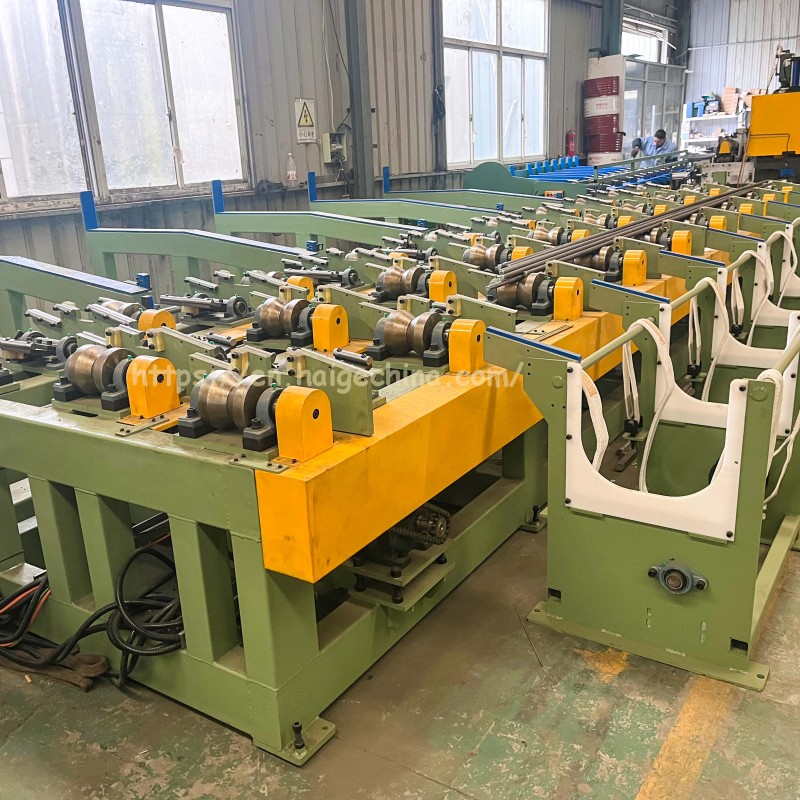
Chamfering Machine

Chamfering Machine

Double-bar dual-end Chamfering&facing and double-end chip removal device and conveying rack are all installed on the same body. The bar material is loaded to the left end facing device or the right end facing device through the dialing device on the roller table alternately. Two bars roll and slide into the double-station positioning V-groove. There are pulleys under the inner side of the V-groove. The cylinder pushes the bar on the pulley to the positioning block. The press cylinder on the double-facing device head drives the double V-shape holder to clamp the bar. Driven by the oil cylinder,the facing tool process the end surface.The left and right double facing devices process alternately. The jacking cylinder mechanism lifts the bar and convey the bar for the next double chamfering process (double pre-positioned V groove). The bar material was lifted and  slides down from the double pre-position slot to (the right ,the double-end chamfering v-groove), and the bar is pushed by the cylinder again to the right side of the double chamfering head. There is a positioning block in front of the head (pneumatic lifting block), the bar stops where the block positions, the block is lifted, and the pressure cylinder on the double chamfering head drives the double V-shaped clamp to clamp the right end of the bar and the double chamfering head begins the chamfering process. The bar material slides from the double chamfering V-groove on the right end and slides into the double chamfering V-groove on the left end, and pushes the bar on the pulley to the left double-chamfering head by the cylinder again. The left and right double-head chamfering is also processing alternately and repeatedly. The right machine head is fixed, the left head and the conveying rack are driven by hydraulic cylinders, which can be adjusted according to different bar materials, and the length of the bar to be processed can be adjusted on the operating table. Milled and chamfered products have no burrs and are smooth and flat. The milling depth of the end face can be adjusted from 3 to 5mm, and the chamfer size is 2 ~ 3 × 45 ° mm. The depth of the milling surface and the chamfer can be adjusted according to the actual situation of the incoming material. It is required that no new bending deformation should be caused to the bar during the processing.

Read More
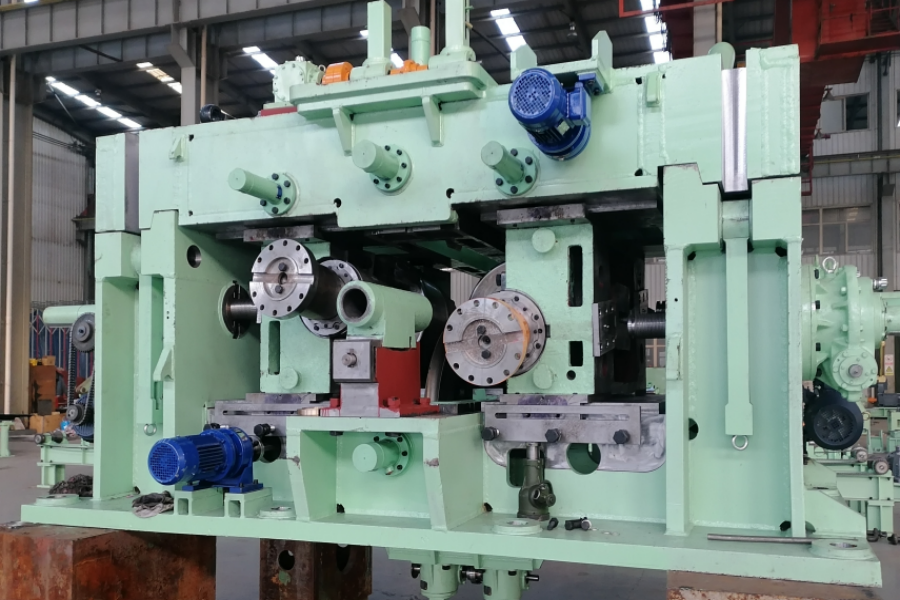
LG90-H Single line long stroke cold tube milling machine

LG90-H Single line long stroke cold tube milling machine

The main structure of LG cold tube rolling mill is composed of machine bed, rotary feeding mechanism, frame, a main motor, core rod, transmission system, electrical system, etc. With the development of technology, nowadays the rotary feeding mechanism has been evolved into single rotation, double feeding, double rotation, single feeding in,and double rotation double feeding in. And the usual feeding mode can be divided into mechanical feeding, photoelectric feeding, and servo feeding. The most critical part of one cold rolling mill is the frame, which includes roller, gear, rack, etc.. The working principle can be described as follows. By creating regular cavity by roller and mandrel, steel tube can be rolling milled taking advantage of elastic deformation of metal. The cold tube rolling mill machine can achieve cold rolling process to the shell using ring hole with relatively good first time rolling performance, and can process nonferrous metal seamless pipe of normal precision as well. The most obvious characteristic of cold mill is the high material utilization, with better precision and surface roughness than cold tube drawing machine.

Read More

How To Compare automated polishing machine supplier Options

Product Guide

The related product list helps you compare China Cheap OEM Wholesale Buy Best Famous Discount CE Certification High-Quality ODM Automated Polishing Machine Supplier Manufacturer, Factory, Suppliers, Expo by actual product direction rather than keyword wording alone. Check whether each product supports new product line development, then use the table below to prepare a clearer RFQ.

Criterion What To Check Why It Matters Buyer Tip
Spec match Confirm part size, finish target, cycle time Avoids wrong machine scope Attach sample drawings in RFQ
Quality inspection Ask for test run, finish photos, tolerance records Supports process validation Define acceptance items clearly
Documentation Request manuals, inspection sheets, CE-related files if needed Speeds internal review List required files upfront
Customization Review tooling, fixtures, automation options Fits new product line needs Share material and batch data
Support plan Clarify installation, training, spare parts response Reduces launch risk Include service terms in quote

How To Choose automated polishing machine supplier Supplier

If you are searching for an automated polishing machine supplier, start by confirming whether the machine can match your workpiece material, surface requirement, production flow, and expected inspection standard.

For OEM, ODM, wholesale, or bulk sourcing, ask for clear specifications, available custom options, sample or trial details, quality control steps, packaging information, and after-sales support terms before making a shortlist.

Begin with the product development target. Share the workpiece type, material, size range, surface finish expectation, and any drawings or sample references. This helps the supplier judge whether a standard automated polishing machine is suitable or whether custom design support is needed.

Build your RFQ around inspection points. Ask how polishing consistency, machine stability, component selection, safety requirements, and final acceptance checks are reviewed. If CE certification or other documentation is required for your market, request the relevant files early instead of after pricing.

Compare suppliers by communication quality as well as quotation level. A useful reply should address application fit, customization limits, lead time, spare parts, installation support, training options, and after-sales response. Generic catalogs are helpful, but they should not replace technical discussion.

For bulk order preparation, confirm sample approval, packaging method, delivery terms, payment structure, warranty scope, and how changes are controlled between trial order and repeat production. Keep all technical requirements in writing so both teams can check the same details.

Criteria Importance Description Example Options
Inspection records High Shows quality control checkpoints. Trial run report
Customization scope High Matches OEM or ODM needs. Fixture design options
Application fit High Confirms part and finish suitability. Sample polishing test
Documentation clarity Medium Supports RFQ and review. Manual, drawings, checklist
Support process Medium Helps post-purchase operation. Maintenance guide

Top Product Matches

Recommended Products

Top product matches should be reviewed by fit, specification clarity, customization readiness, and how well they support quality review. Use these factors to shortlist practical options before contacting the supplier.

Top Selling Product Selection Factors

Specification clarity Key for RFQ accuracy
Inspection evidence Needed for quality review
Custom fit options Supports ODM planning
Supplier communication Affects project timing
After-sales support Important for line startup

Blog Articles / Reviews

How to Choose a Bar Peeling Machine for Round Bar Surface Defect Removal

How to Choose a Bar Peeling Machine for Round Bar Surface Defect Removal

For round bar producers, steel mills and machining material suppliers, a bar peeling machine is usually purchased to solve a very specific production problem: the incoming bar surface cannot meet the next process requirement. Hot-rolled bars may carry oxide scale. Forged or rolled bars may have shallow cracks, decarburized layers, rust or uneven outer surfaces. […]

Improving Bar Straightness Before Downstream Grinding and Polishing

Improving Bar Straightness Before Downstream Grinding and Polishing

Bar straightness is one of the most practical quality factors in metal finishing. Even when the surface has been peeled or turned correctly, poor straightness can create problems in grinding, polishing, drawing, inspection and automatic feeding. For bright bar production lines, straightening is not an optional step; it is often the link that keeps the […]

Review related products and buyer-style notes to understand common comparison points, including application fit, specification checks, custom options, and supplier communication.

Morgan L. Hayes August 22, 2026
I used this automated polishing machine supplier page to frame questions about workpiece materials, polishing consistency, control options, and maintenance access before contacting sales.
Priya N. Shah August 18, 2026
I was comparing automated polishing machine supplier options, and this tag page helped me separate surface finish requirements from general machine configuration questions.
Daniel K. Morris August 9, 2026
I needed an automated polishing machine supplier for repeatable metal finishing, and the page gave me a practical checklist for fixtures, abrasives, and operator workflow.
Elena R. Foster July 31, 2026
I shared this automated polishing machine supplier page with our production team because it kept our discussion centered on part geometry, cycle setup, and finish expectations.

Frequently Asked Questions

What quality inspection points should a product development team request from a China automated polishing machine supplier for a new product line?

Request inspection items covering polishing consistency, spindle or belt stability, fixture alignment, safety guarding, control interface checks, trial workpiece results, and outgoing inspection records. These points help evaluate application fit before adding the machine to an RFQ shortlist.

How can OEM or ODM requirements be documented when reviewing an automated polishing machine manufacturer or factory?

Prepare drawings, sample parts, surface finish targets, material types, process flow, preferred automation level, and acceptance criteria. Clear OEM or ODM documentation helps the supplier respond with relevant technical options instead of a general product quotation.

What should be checked before using CE Certification wording in an RFQ for a high-quality automated polishing machine?

Ask the supplier to specify which standards, declarations, manuals, electrical documentation, and safety components relate to the machine configuration being quoted. Avoid assuming certification coverage until documents are reviewed for the exact model and customization scope.

How should teams compare cheap, discount, wholesale, and best-value automated polishing machine options without relying only on price?

Compare process capability, inspection documentation, component accessibility, customization limits, maintenance guidance, and sample testing support. A low-cost or discount offer should still match the product line’s surface finish, cycle, safety, and documentation requirements.

What after-sales support questions are useful when shortlisting automated polishing machine suppliers for bulk order preparation?

Ask about installation guidance, operator training materials, spare parts identification, maintenance documentation, troubleshooting channels, and response workflow. These support details help product development teams assess whether a supplier can support repeat use after procurement.

How can expo discussions with famous or best-known automated polishing machine suppliers be turned into usable RFQ inputs?

Record machine model, application examples, customization notes, control options, inspection methods, required samples, and contact responsibilities. After the expo, convert these notes into a structured RFQ so each supplier answers the same technical questions.

Leave Your Message

Send your workpiece details, drawings, target finish, quantity range, destination, and required documents so the supplier can respond with a more accurate recommendation.