Why Centerless Grinding Accuracy Depends on Wheel, Blade and Feed Control
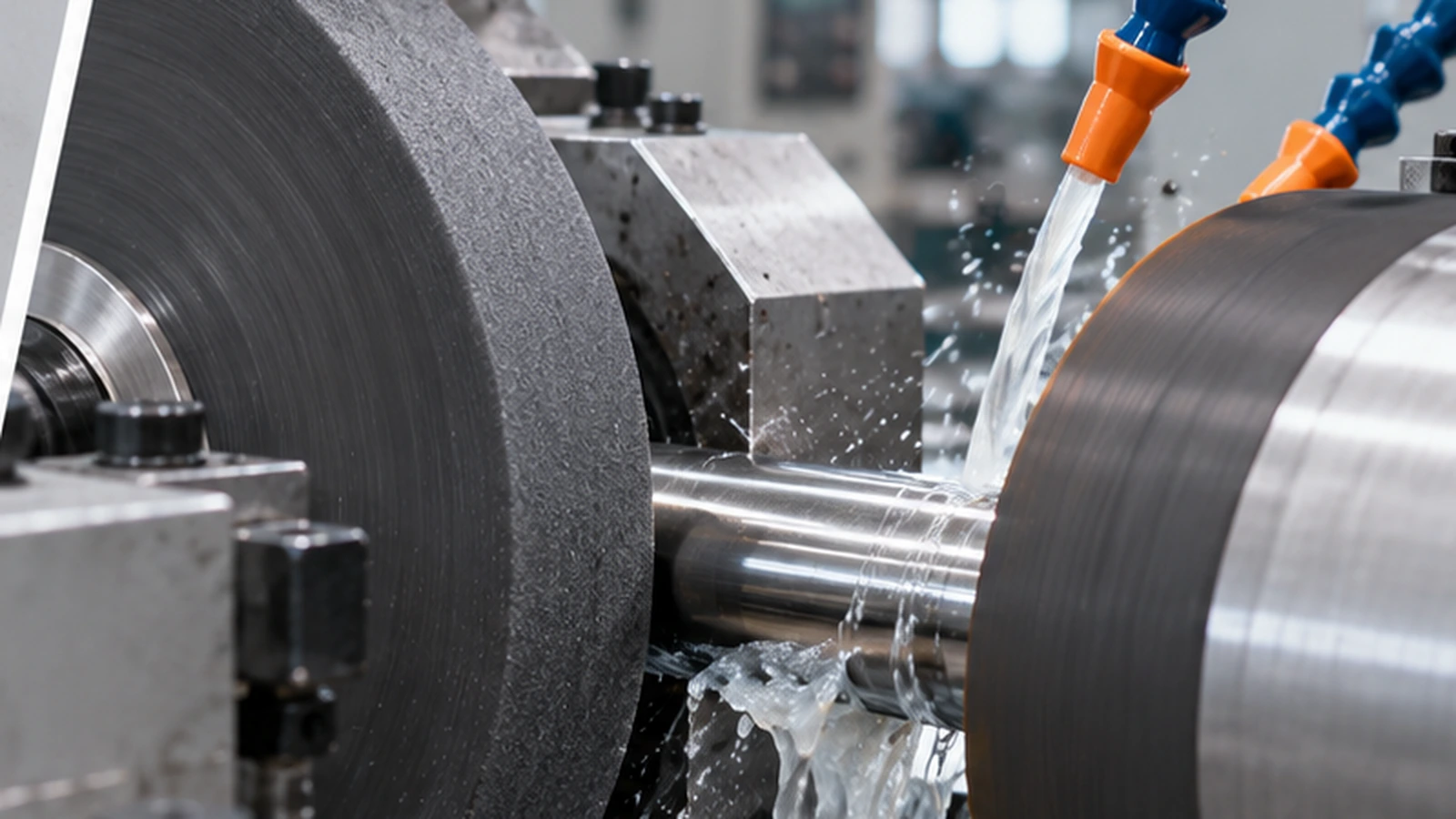
A centreless grinding machine does not locate a cylindrical workpiece between fixed centres. Accuracy comes from the relationship between the grinding wheel, regulating wheel and work-rest blade, together with stable feed, incoming geometry and controlled wheel condition. If any part of that system changes, diameter, roundness, feed behaviour and surface finish can change even when the grinding wheel itself is unchanged. Buyers looking for information “about centreless grinding machine” should therefore understand the process as a three-point support-and-control system rather than as a single abrasive wheel removing stock.
Haige supplies several centerless grinding machine families, including TDC, M10200 and M-series equipment. Its product range supports through-feed and plunge/infeed applications, but the accuracy discussion starts with process geometry, not the model name.
How Does a Centreless Grinding Machine Hold a Part Without Centres?
The centerless grinding machine working principle depends on three primary elements:
- Grinding wheel: removes material from the workpiece.
- Regulating wheel: controls workpiece rotation and, in through-feed grinding, axial movement.
- Work-rest blade: supports the workpiece at the grinding zone.
The workpiece is therefore controlled externally rather than clamped between centres. The geometry between these elements determines how the part sits, rotates and passes through the contact zone. Because the setup is a system, accuracy cannot be explained by grinding-wheel quality alone.
This is also why how a centerless grinding machine works is directly connected to workpiece geometry. Round bars, shafts, rollers and sleeves with a continuous cylindrical surface are natural candidates. Interrupted surfaces, strong steps, tapers or non-round sections may require a different mode or another process review.
Why Workpiece Height Changes the Grinding Geometry
The position of the workpiece relative to the wheel centres influences how contact forces act on the part. The work-rest blade helps establish this height. If the supporting position changes, the relationship between the grinding wheel, regulating wheel and workpiece changes as well.
For procurement, the important point is not to specify one universal blade height. The machine supplier should define the setup window for the actual diameter range and grinding mode. Buyers should understand that centerless grinding work rest blade geometry is part of the accuracy system and should be maintained and set consistently.
A worn or incorrectly selected blade can affect part support even when the grinding wheel is freshly dressed. This makes the blade a process component rather than a passive piece of hardware.
What Does the Centerless Grinding Regulating Wheel Actually Control?
The centerless grinding regulating wheel controls more than rotation. In through-feed grinding, its speed and angle also influence the axial movement of the workpiece through the grinding zone. That means it affects contact time, feed stability and production rate.
If the regulating wheel drives the part too quickly for the planned stock removal, the workpiece may leave the zone before the grinding condition is fully achieved. If the feed is reduced, contact time increases, but throughput also changes. The correct setting therefore depends on stock allowance, material, wheel condition, workpiece size and the required final result.
This relationship is one reason a buyer should not compare two automatic centerless grinding machine offers only by maximum feed speed. Speed is meaningful only when both machines are expected to produce the same geometry and surface requirement on the same incoming material.
Why the Work-Rest Blade Matters More Than Many Buyers Expect
The blade supports the workpiece at the point where the grinding and regulating wheels act on it. Its geometry, condition and position contribute to workpiece stability. A worn blade can change contact behaviour; a blade that is unsuitable for the diameter or part geometry can reduce repeatability.
For a centerless grinding machine for metal bar, the RFQ should therefore address the workpiece range, not just the maximum diameter. If a plant processes several bar sizes, the buyer should ask how blade selection or adjustment is handled across the range and whether changeover affects the process setup.
The supplier should also explain which blade-related items are standard machine scope, normal consumables or project-specific tooling. This helps the buyer compare complete process readiness rather than base-machine hardware.
How Does Through-Feed Speed Affect Size and Surface Control?
Through-feed grinding is valuable for long cylindrical workpieces because the part can move continuously through the grinding zone. But the feed rate changes the time available for material removal. This creates a direct link between throughput and the grinding result.
A stable process balances:
- incoming stock allowance;
- grinding-wheel cutting condition;
- regulating-wheel speed and angle;
- workpiece diameter and material;
- required final diameter and surface condition;
- target production rate.
This is the deeper issue behind long-tail searches such as centerless grinding through feed speed. The buyer should not ask for the highest possible line speed in isolation. The better question is the feed speed at which the specified result can be produced repeatedly on representative parts.
Why Incoming Bar Straightness Still Matters
Centerless grinding does not use centres, but that does not mean the incoming bar can have unlimited bend. Long bars need stable contact and support as they enter, pass through and exit the grinding zone. Excessive bend can disturb feeding and create inconsistent contact.
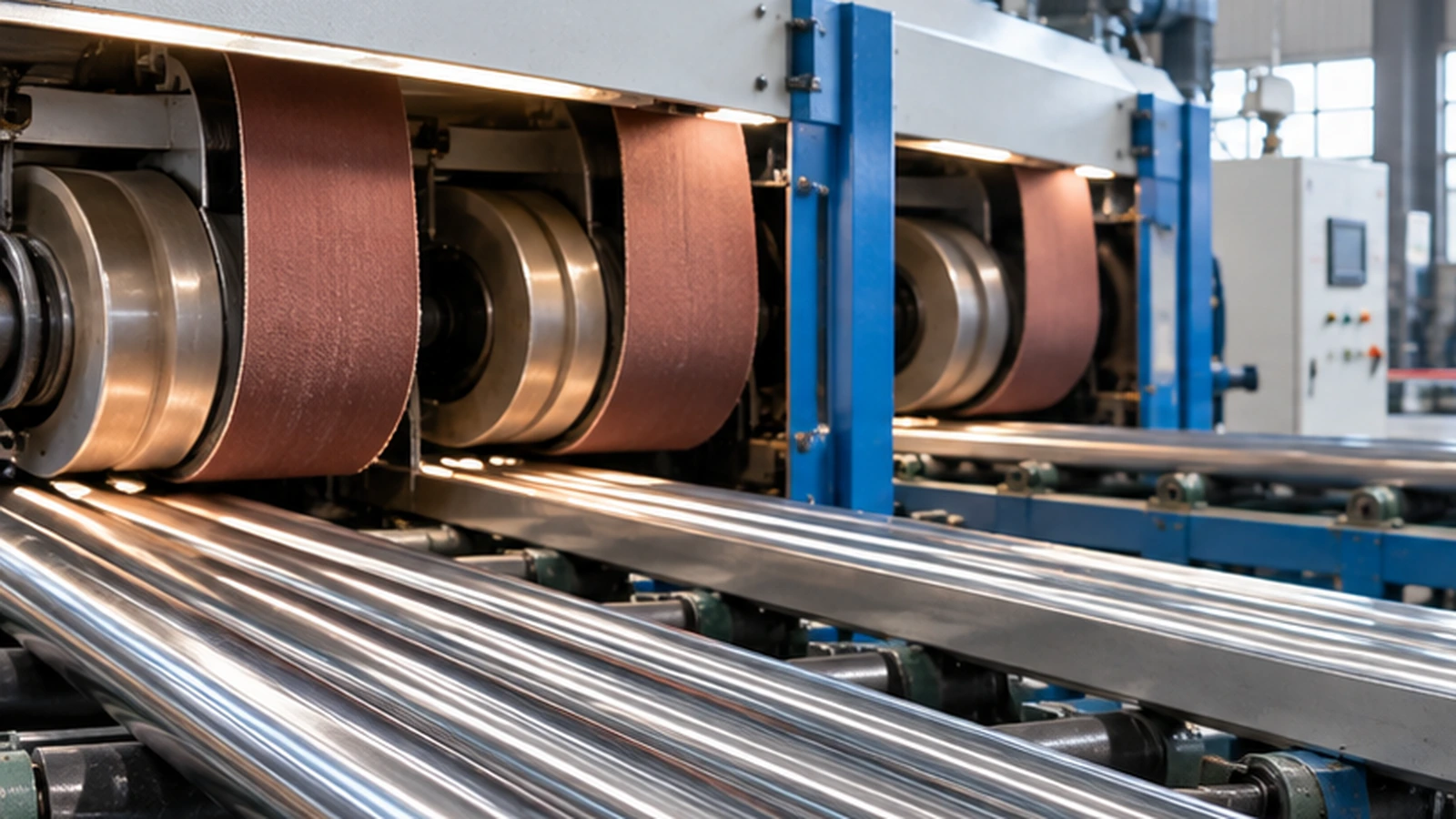
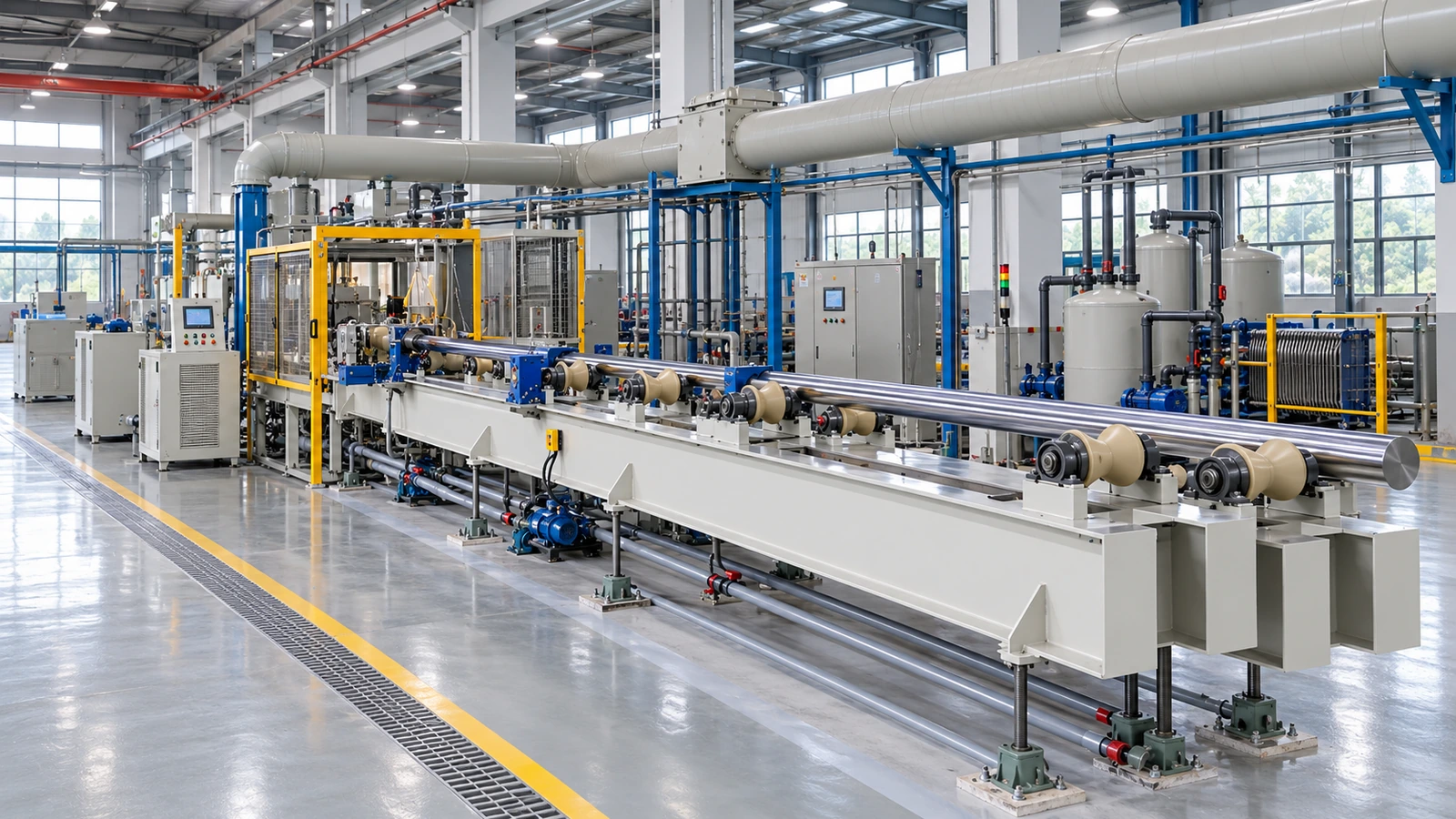
This is why a bar-finishing line may use straightening before grinding. Haige’s broader equipment portfolio includes straightening and bar-finishing machines in addition to centerless grinders, so a project can be reviewed as a process route rather than a grinder-only purchase.
For a centerless grinding for round bar application, the buyer should report incoming straightness, length and support conditions. If the supplier assumes straighter incoming material than the plant actually provides, a technically sound grinder can still underperform in the installed line.
Wheel Dressing Is Part of Accuracy Control
Centerless grinding wheel dressing restores wheel form and cutting condition. As a wheel wears, its effective geometry and cutting behaviour can change. Dressing is therefore connected to repeatability, not simply to maintenance.
The project should define how dressing is initiated and what happens after dressing. In an automated line, buyers may need to understand whether dressing is manual, cycle-based or integrated with another process-control method, and how the machine returns to a verified operating condition.
Too little dressing control can allow drift. Excessive dressing can consume wheel material and reduce productive time. The correct strategy depends on the workpiece material, stock removal, wheel specification and production pattern.
Coolant and Filtration Affect More Than Temperature
Coolant helps remove heat, but the complete coolant system also influences swarf removal, wheel condition and the cleanliness of the grinding zone. Poor filtration can allow debris to recirculate, affecting both the wheel and workpiece surface.
For a CNC centreless grinding machine project, the machine and coolant/filtration boundary should be defined before quotation comparison. Ask which components are included, which utilities are required and what remains the buyer’s responsibility. Do not assume that two machine quotations include the same coolant-management scope.
Downstream inspection can also be affected by residual coolant or debris. If the line sends ground bars directly to gauging, polishing, testing or packing, cleaning and transfer conditions should be included in the process review.
Grinding Accuracy Must Be Verified With More Than One Measurement
A successful grinding trial should not be judged by one diameter reading. The acceptance plan should reflect the actual product requirement. Depending on the part, buyers may need to check diameter at several locations, roundness, straightness, surface roughness and visual surface condition.
| Check | Before Grinding | During Trial | After Grinding |
|---|---|---|---|
| Diameter | Measure incoming range | Monitor stock removal and drift | Verify at defined positions |
| Roundness | Establish baseline | Review setup stability | Confirm against acceptance limit |
| Straightness | Record incoming condition | Observe feed/support behaviour | Verify final product if specified |
| Surface roughness | Record starting condition | Track wheel/dressing state | Measure using agreed method |
| Feed stability | Check length and geometry | Observe rotation and axial movement | Record anomalies and limits |
| Wheel / blade condition | Confirm setup | Record dressing or changes | Preserve process notes |
The purpose of the trial is to establish a repeatable process window, not to produce one unusually good part.
How Should Buyers Review Haige’s Centerless Grinding Equipment?
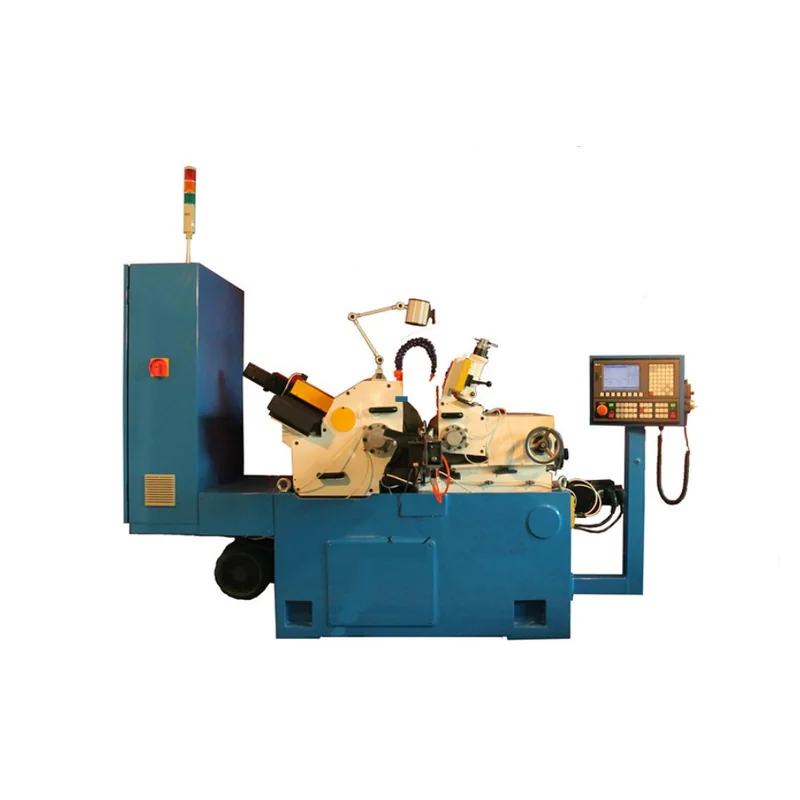
Haige’s Centerless Grinding Machine range includes multiple machine families for cylindrical workpieces. The TDC Centerless Grinding Machine is one relevant product example because its published description identifies the grinding wheel, regulating wheel and work-rest system and describes continuous grinding with automatic-feeding integration.
That product information is useful for shortlisting. Final selection still needs the workpiece drawing, minimum and maximum diameter, ground length, material condition, incoming straightness, stock allowance, final diameter/roundness/surface requirement, grinding mode, production pattern and expected automation boundary.
The buyer should ask Haige to return the proposed machine configuration, grinding mode, wheel and blade concept, feed arrangement, dressing approach, gauging boundary, coolant/filtration scope and trial plan. Any condition that limits the promised result should be stated as an assumption or project requirement.
What Should a Centreless Grinding Machine RFQ Include?
An RFQ focused on accuracy should include more than “centreless grinder required.” Send:
- part drawing and material;
- minimum and maximum workpiece diameter;
- workpiece length and ground length;
- incoming diameter, roundness and straightness condition;
- stock allowance;
- final diameter and tolerance;
- required roundness and surface condition;
- through-feed or plunge/infeed duty if already defined;
- production rate or batch pattern;
- automation and gauging expectations;
- coolant, filtration and utilities boundary;
- trial and inspection requirements.
These inputs can be submitted through the Haige application inquiry so the supplier can review the complete process instead of responding to a generic query about centreless grinding.
Accuracy Comes From the System, Not From One Wheel
The central lesson about a centreless grinding machine is that the grinding wheel does not create accuracy by itself. Workpiece support, regulating-wheel control, blade geometry, incoming straightness, feed rate, wheel dressing, coolant and inspection all interact.
Understanding those relationships helps a buyer move from “what is centerless grinding?” to the more useful B2B question: which process controls must be defined and proven before the machine is released for production.