Where Should Polishing Sit in a Metal Bar Finishing Line?
A polishing machine should be placed only after the upstream processes have already controlled the defects that polishing is not intended to correct. In a metal bar finishing line, straightening addresses bend, peeling removes a controlled outer layer and deeper surface defects, centerless grinding can refine diameter, roundness and surface condition, and polishing is then used to refine the final surface appearance or texture. Buyers searching for “a polish machine” therefore need to define the complete process route before choosing the machine itself. Haige supplies equipment across peeling, straightening, grinding and polishing, making process position a more useful purchasing question than polishing capacity alone.
Polishing Is a Finishing Stage, Not a Universal Defect-Correction Process
The phrase metal polishing machine can describe very different duties. One factory may want to improve the final appearance of a bright bar after grinding. Another may want to remove light marks from a tube before packing. A third may expect polishing to remove heavy scale, deep seams and dimensional error at the same time. Those are not equivalent process requirements.
Polishing works best when its job is clearly separated from upstream correction. If incoming material is still bent, deeply scaled or dimensionally unstable, asking the polishing stage to solve every problem can increase abrasive consumption, slow feed and still leave the buyer without a measurable final result.
Process boundary: Haige’s published equipment portfolio includes straightening, peeling, grinding and polishing machines. The correct sequence depends on the workpiece condition and final requirement; no single sequence should be treated as universal without reviewing the actual bar or tube.
What Should Be Completed Before a Bar Polishing Machine?
A bar polishing machine should receive material that is already within the process window needed for stable support and surface finishing. The buyer should inspect what reaches the polishing station and assign each defect to the process designed to control it.
Typical upstream questions include:
- Is the bar straight enough to pass through rollers and guides without unstable contact?
- Does the surface still contain deep seams, pits or a damaged outer layer that requires peeling or heavier removal?
- Is outside diameter or roundness still outside the final product requirement?
- Is heavy scale or rust better handled by a dedicated preparation or removal stage?
- Will polishing remove only a light finishing allowance, or is the buyer expecting significant stock removal?
These questions are important because a metal bar polishing machine is normally selected around a surface-finishing duty. If the buyer expects the machine to correct geometry or remove deep defects, the project may need another upstream operation or a different finishing route.
Grinding and Polishing Should Not Be Treated as the Same Process
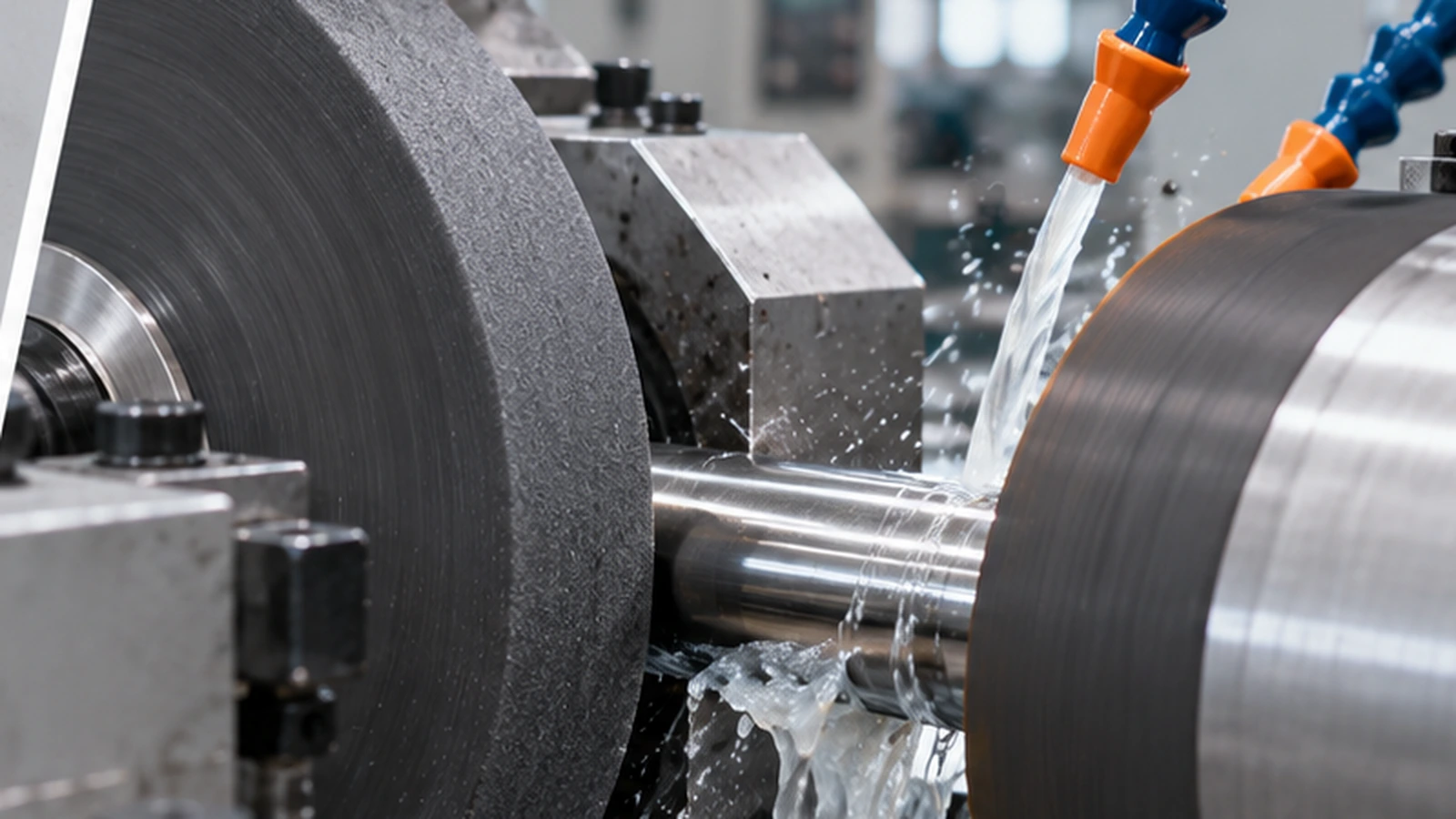
Grinding and polishing can both use abrasives, but they usually solve different production problems. Grinding is often used when controlled material removal, diameter refinement, roundness improvement or measurable defect removal matters. Polishing is more often associated with final surface refinement, a directional finish, brightness or preparation for the next appearance-sensitive step.
This distinction matters when buyers search for a grinding and polishing machine or a metal grinding and polishing machine. A combined line can include both operations, but the process should still state what each station is responsible for. Without that separation, the supplier cannot define stock removal, abrasive sequence, feed speed or inspection requirements consistently.
A useful process map is:
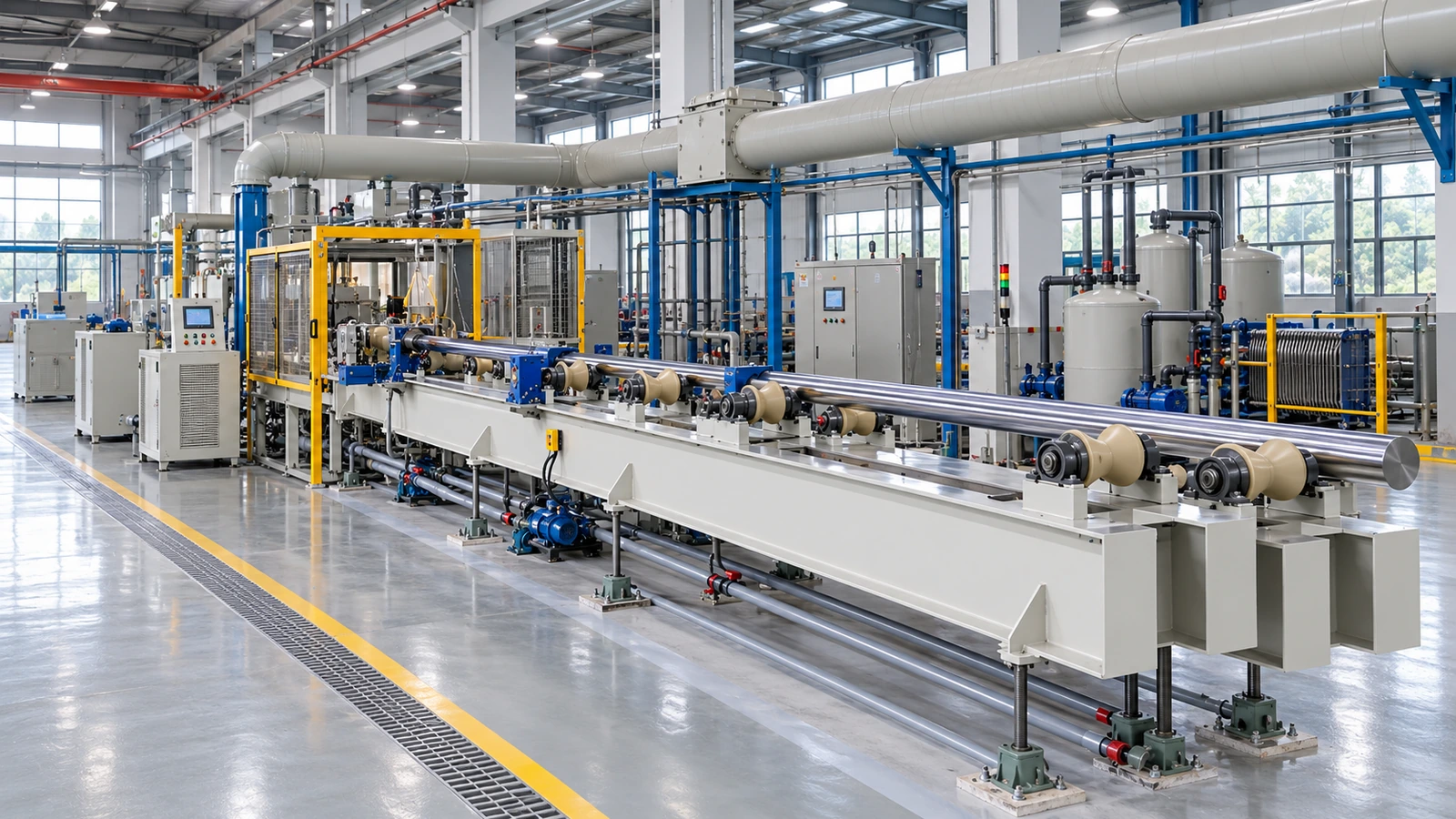
incoming bar → straightening if required → peeling or corrective grinding if required → centerless grinding for dimensional/surface control → polishing for final finish → inspection → protected handling and packing.
The exact route can be shorter or longer. The point is that polishing should be linked to the condition created by the previous process.
When Can an Abrasive Belt Polishing Machine Work as a Standalone Finish Stage?
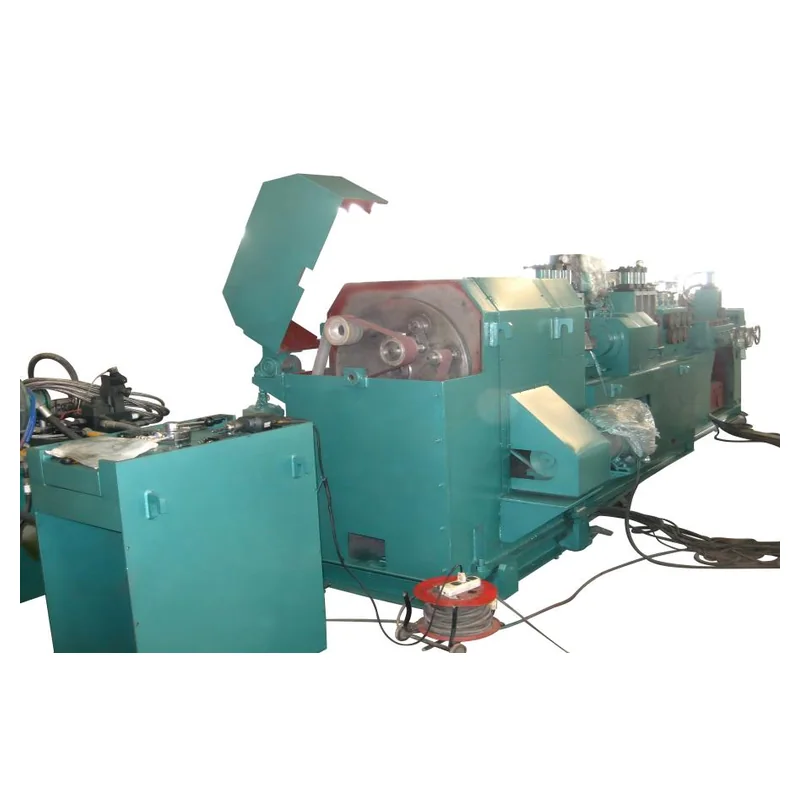
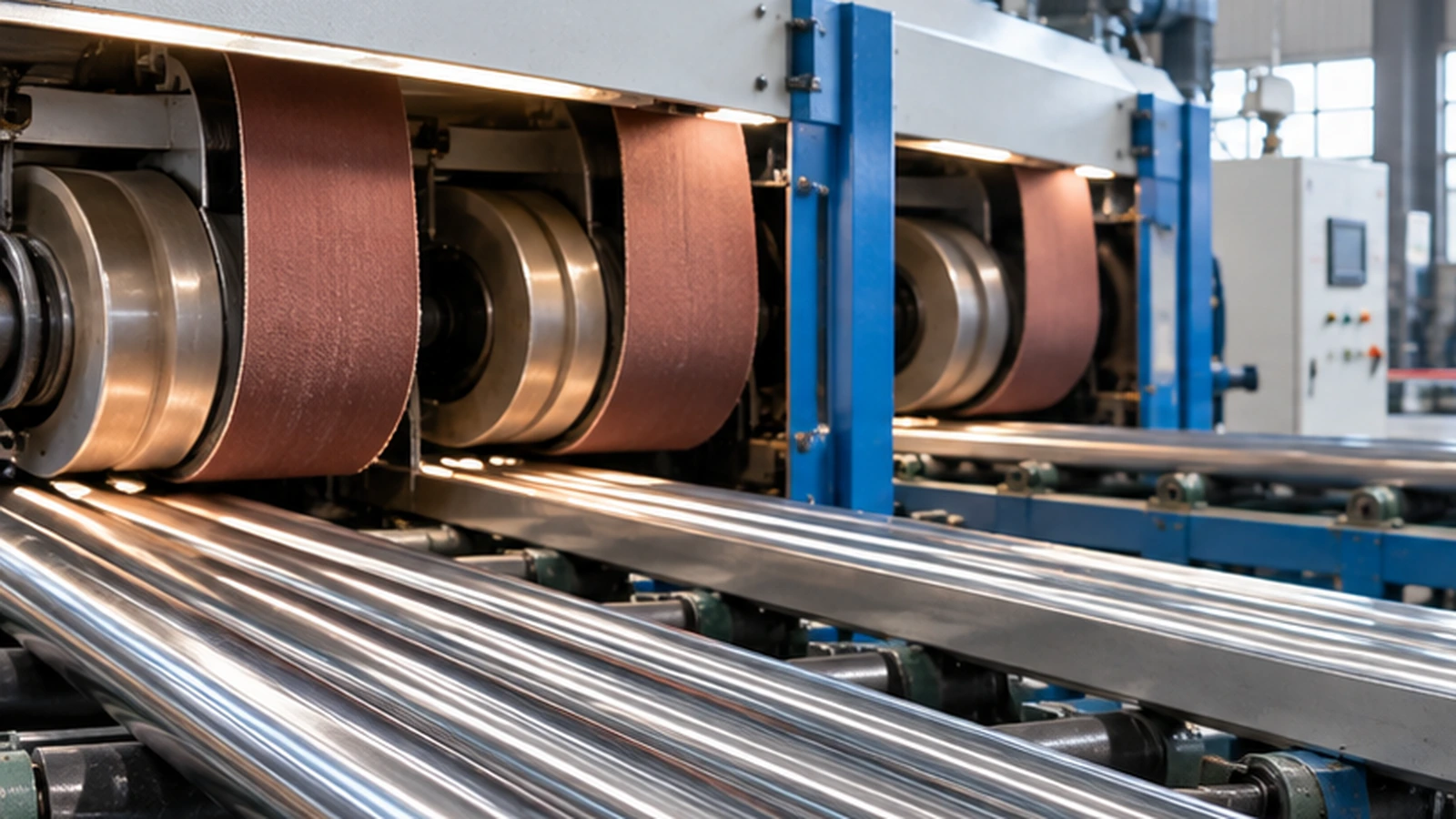
An abrasive belt polishing machine can be a practical standalone finishing stage when the incoming workpiece geometry is already acceptable, the remaining surface defects are shallow, the required finish is clearly defined and the feeding/support arrangement is stable. Under those conditions, the polishing machine is refining a surface rather than trying to rebuild the part.
Haige’s Abrasive Belt Polishing Machine product family is published for bars, tubes, shafts and profiles. The listed model family is suitable for initial screening, but the buyer still needs to confirm which model and abrasive arrangement match the real workpiece range.
The most important commercial question is not whether the supplier can polish one clean sample. It is whether the same process can handle the normal incoming surface range at the required production rate without relying on excessive manual rework.
Where Should Polishing Be Located After Centerless Grinding?
For round bars and cylindrical parts, centerless grinding and polishing can form complementary stages. Centerless grinding can be used to control outside diameter, roundness and a defined surface condition. Polishing can then modify the appearance, directional texture or final roughness target without carrying the full dimensional-removal duty.
This is why a bar grinding and polishing line should define the handoff between the two machines. The grinder should not leave more stock or surface damage than the polishing stage can reasonably remove. Conversely, the polishing station should not remove so much material that it changes dimensions the grinder has already established.
Haige’s Centerless Grinding Machines category can be reviewed alongside its polishing-machine range when a project needs both dimensional and cosmetic surface control. The purchasing team should ask the supplier to state the expected incoming condition for each stage and the final inspection point.
Finish Targets Need More Than Words Like “Bright” or “Smooth”
A buyer can describe visual intent with words such as bright, satin, smooth or mirror-like, but those words alone are difficult to use as an acceptance standard. A polishing machine for round bar should be specified against a measurable or approved result wherever practical.
The acceptance package may include:
- surface roughness where it is relevant;
- an approved visual sample;
- directional pattern requirements;
- allowable residual scratches or defects;
- inspection locations along the bar or tube;
- whether appearance is judged before or after a downstream coating or plating process.
Surface roughness and appearance are related but not identical. Two bars can show similar roughness values while displaying different directional marks or local defects. For a B2B project, the safest route is to combine measurable criteria with an agreed sample when appearance is important.
Downstream Handling Can Destroy a Good Polished Finish
One of the most overlooked issues in an automatic polishing machine for metal bars project is what happens after the workpiece leaves the polishing station. Transfer rollers, side guides, accumulation tables, bundling equipment and packing contact surfaces can reintroduce scratches or pressure marks.
A machine-exit sample is therefore not enough evidence for a complete line. The project should inspect the product after downstream handling. If the surface is appearance-critical, the line design may need protected rollers, controlled transfer, clean contact surfaces or another handling arrangement that prevents the finished surface from being damaged.
This is also a reason to discuss polishing as part of a line rather than as a stand-alone machine purchase. The finish has value only if the same condition reaches inspection and packing.
How Should Upstream and Downstream Operations Be Assigned?
| Process Issue | Primary Process to Review | Why It Matters Before Polishing |
|---|---|---|
| Bar bend / poor straightness | Straightening | Unstable geometry can reduce consistent contact and feeding. |
| Deep surface layer / seams | Peeling or corrective material removal | Polishing may not remove deep defects economically. |
| OD / roundness control | Centerless grinding | Geometry should be established before final cosmetic finishing. |
| Light scratches / final texture | Polishing | This is the finishing duty the station should be designed around. |
| Post-process scratches | Handling / packing | The final finish must survive transfer and storage. |
The table is not a mandatory process route. It is a way to prevent one machine from being assigned defects that belong to another stage.
What Data Should a Buyer Send for a Polishing-Line Review?
For a process-position review, the RFQ should be broader than a normal polishing-machine request. The buyer should provide material grade or family, workpiece geometry, minimum and maximum size, length, incoming straightness, existing surface defects, upstream process, final finish target, allowable dimensional change, throughput requirement and downstream handling method.
If the project includes several surface-finishing steps, add a process flow showing where the metal finishing polishing machine is expected to sit. Ask the supplier to return the proposed sequence and identify which defects or dimensional changes are assigned to each stage.
Haige’s Polishing Machines category is a useful starting point for equipment discovery. For a project-specific review, drawings, workpiece photos, sample condition and the proposed line sequence can be submitted through the Haige inquiry page.
Polishing Should Complete the Process, Not Compensate for an Undefined Process
The practical answer behind a search for “a polish machine” is that the machine cannot be selected correctly until its role in the finishing line is defined. A buyer gets a stronger result by deciding which defects are handled upstream, what the polishing stage must change, how that finish will be inspected, and how downstream handling will preserve it.
For Haige’s B2B buyers, that turns polishing from a generic machine category into a controlled step inside a bar or tube finishing process.