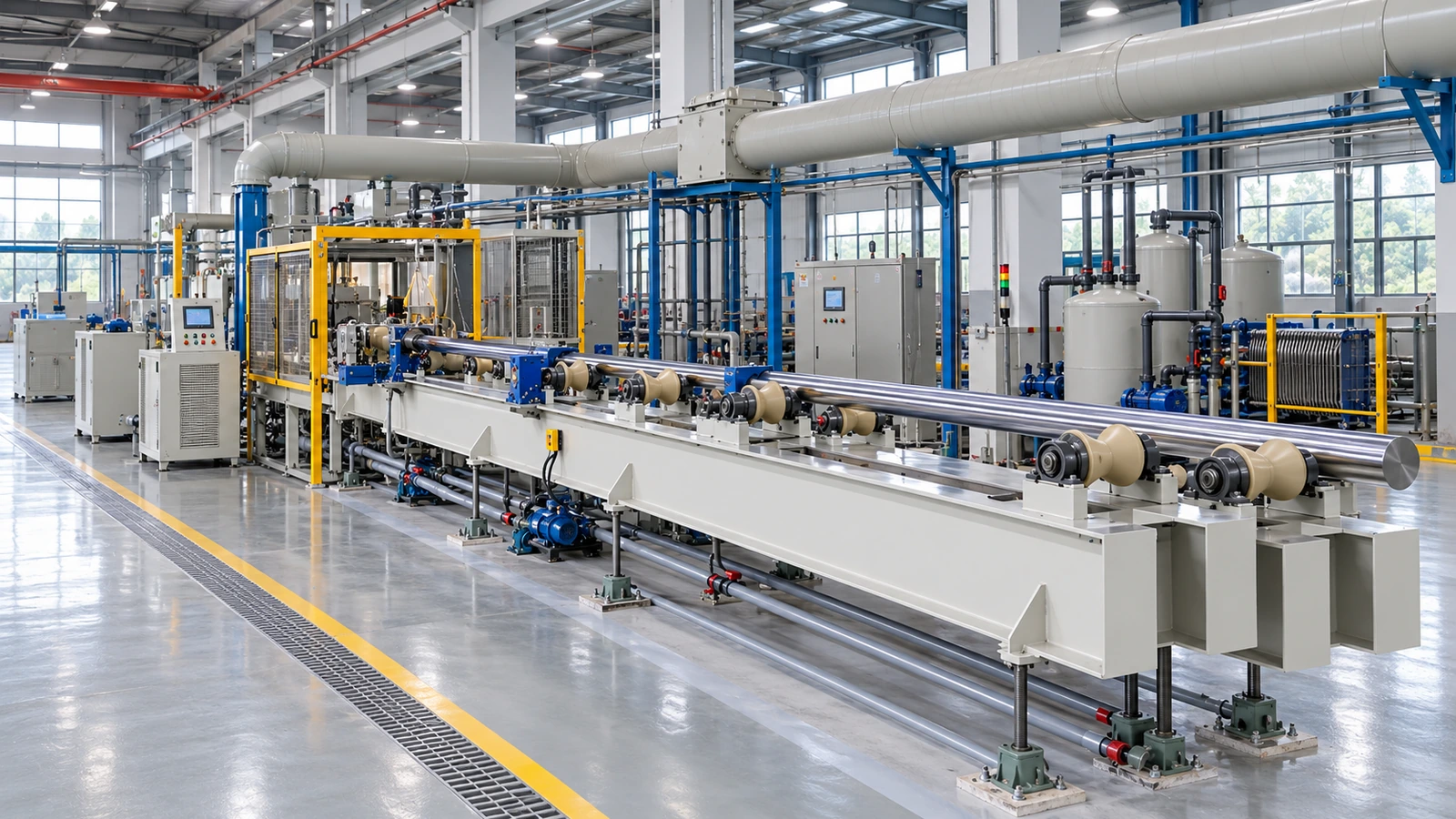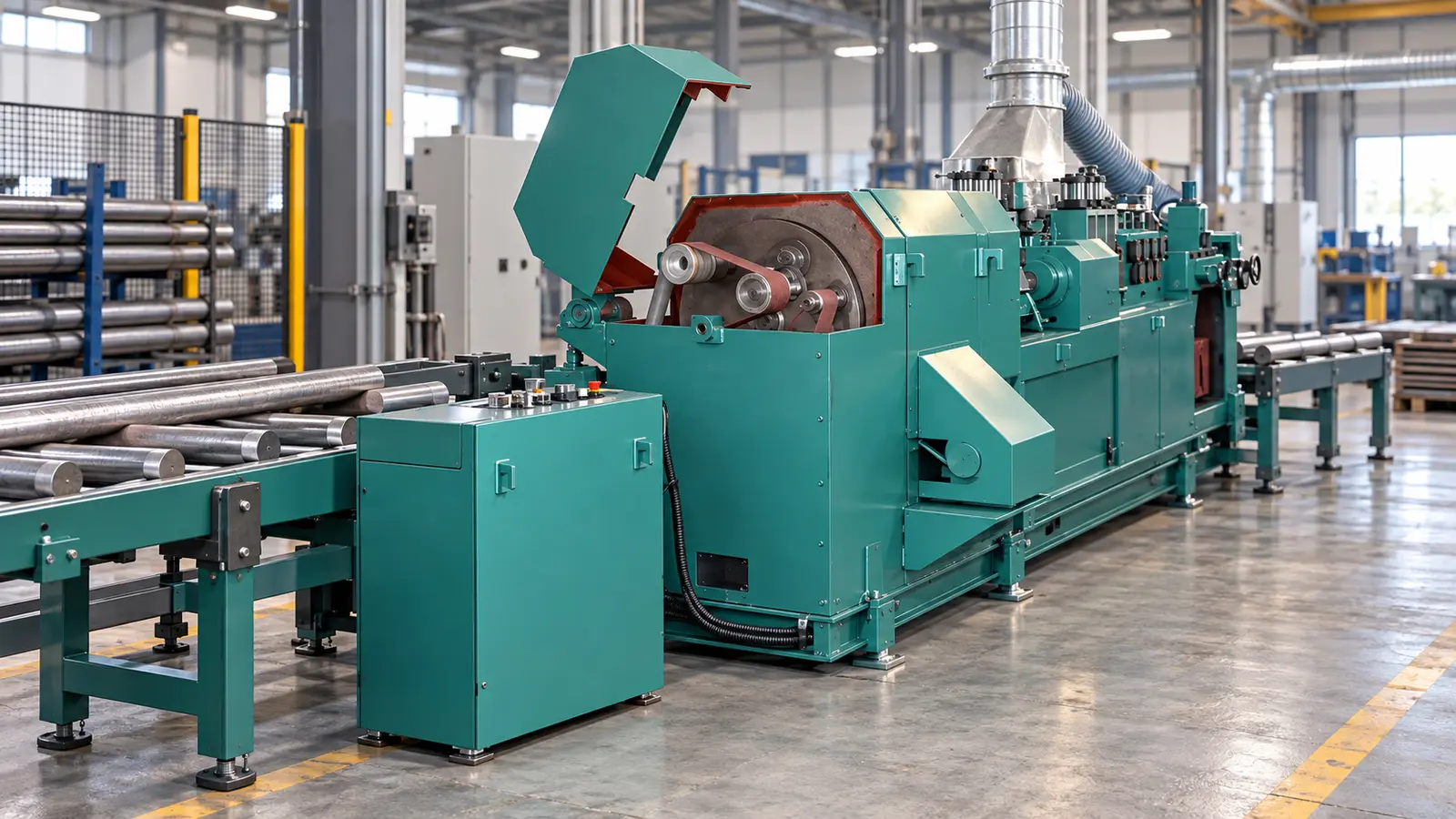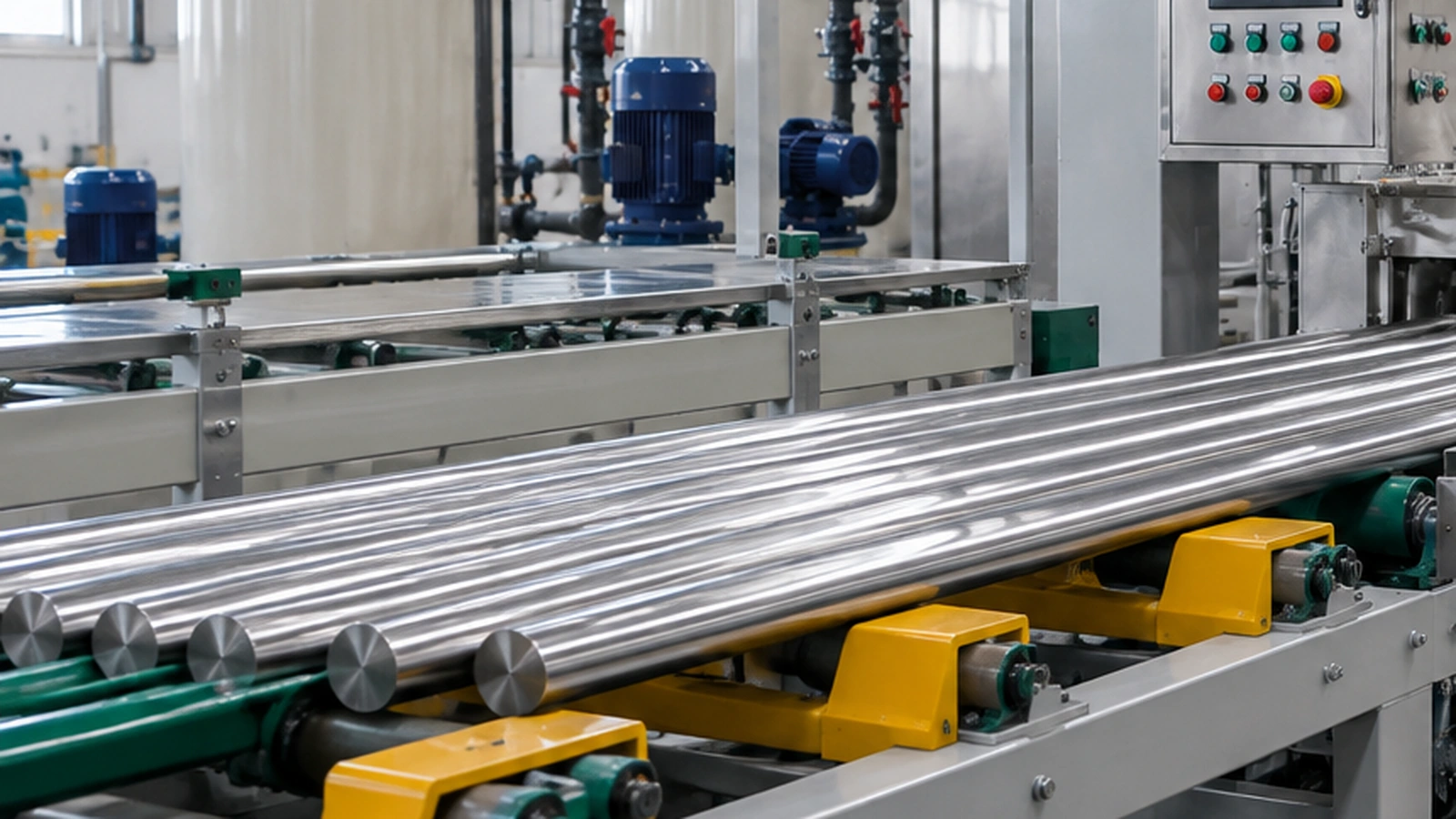
What Should Buyers Confirm Before Ordering an Electroplating Production Line?
An electroplating production line cannot be specified by the words “chrome plating line” and a target output alone. Buyers need to freeze the workpiece family, substrate condition, coating purpose, dimensional envelope, production mix, process sequence, handling method, utilities, ventilation, wastewater interface, controls, inspection method and acceptance responsibility. The equipment supplier must also distinguish the line it supplies from the chemical process, building services and local compliance work that remain outside its scope. A defensible purchasing path is workpiece and coating duty → process route → mechanical line → utility and environmental interfaces → control philosophy → FAT/SAT evidence. Until these boundaries are written into the RFQ, two quotations may describe very different projects even when both use the same production-line name.
Define the Coating Duty Before Discussing the Line
Begin with the function of the deposited layer. Wear resistance, corrosion protection, dimensional restoration and decorative appearance create different performance and inspection priorities. The substrate, heat-treatment condition, incoming surface, areas to be plated and areas to be masked must be identified. So must the required coating thickness or approved specification, finish, dimensional limits after plating and any subsequent grinding or polishing.
Do not ask the equipment supplier to infer these requirements from the part name. A piston rod, long mandrel, tube or cylindrical component may be processed for different reasons. The buyer’s drawing, process specification or approved sample must establish the acceptance condition.
At the discovery stage, buyers can review Haige’s electroplating equipment range to understand available line concepts. The project specification must then narrow that range to a defined workpiece and process duty.
Why Must the Workpiece Family Be Frozen?
A line designed around long cylindrical parts depends on more than nominal diameter and length. Provide the minimum, normal and maximum size; mass; straightness; end geometry; lifting points; contact areas; permitted rotation; surface condition; batch mix and daily volume. If several product families are expected, identify their share of production and the changeover requirements.
The workpiece definition affects loading, supports, rotation, electrical contact, masking, bath or cell arrangement, rinsing, drainage and unloading. A nominal envelope that ignores mass distribution or end geometry can result in a line that accepts the part dimensionally but cannot handle it reliably.
Buyers should also define whether the quoted capacity includes rejects, rework, maintenance, chemistry checks and product changeover. A theoretical movement rate is not the same as sellable output over a complete shift.
Map the Process Boundary, Not Just the Main Plating Stage
The electroplating stage is only one part of the production route. A project may require cleaning, degreasing, activation, rinsing, plating, recovery, final rinsing, drying, inspection and downstream finishing. The exact sequence depends on substrate, chemistry and product specification; it should be defined by qualified process engineering rather than copied from a generic article.
For procurement, create a process-boundary diagram that identifies every included stage and every interface. Mark whether each tank, enclosure, pump, filter, heat exchanger, rectifier, dosing device, rinse stage, dryer and transfer mechanism is included, optional, supplied by others or subject to final process review.
This prevents a common quotation gap: one supplier prices a mechanically complete line while another includes pretreatment, exhaust interfaces, water treatment connections and a larger automation scope. Their totals cannot be compared until the boundaries match.
Which Project Variables Should Buyers Compare?
| Decision area | Buyer must define | Supplier must confirm | Evidence |
|---|---|---|---|
| Workpiece | Material, size range, mass, geometry and production mix | Reviewed operating envelope and exceptions | Configuration drawing and marked data sheet |
| Coating duty | Functional purpose, specified layer and final inspection | Process assumptions and excluded guarantees | Process description and acceptance matrix |
| Sequence | Required pretreatment, plating, rinsing and finishing stages | Included equipment and supply boundary | Process flow diagram |
| Capacity | Product mix, shifts, changeovers and planned output | Cycle assumptions and limiting stage | Capacity calculation |
| Utilities | Available power, water, air, heating/cooling and drainage | Consumption and connection points | Utility schedule |
| Environment | Applicable emissions, wastewater and chemical-handling requirements | Included collection and treatment interfaces | Interface list and layout |
| Controls | Recipe, traceability, alarms, interlocks and plant integration | PLC/HMI and data scope | Functional design specification |
| Acceptance | FAT, SAT, sample parts and measurement methods | Demonstration conditions and documents | Approved test protocol |
How Should Buyers Define Throughput?
Throughput should be calculated from the product mix and complete cycle, not from conveyor speed alone. Identify loading time, pretreatment time, plating time, rinsing, drainage, unloading, inspection, chemistry checks, planned maintenance and changeover. If products have different diameters or coating requirements, calculate representative cases rather than relying on one average.
Ask the supplier to state the limiting stage and every assumption behind the capacity estimate. If the process time depends on chemistry or required coating performance that has not yet been validated, mark the output as provisional. This is more credible than turning an early estimate into a guaranteed rate.
A useful capacity schedule separates mechanical availability, process time and quality yield. It also states what the supplier can demonstrate during FAT and what must be verified later with site utilities and production chemistry.
Utilities Need a Connection Schedule
A project quotation should not list only total electrical power. It should identify voltage and frequency assumptions, rectifier demand, heating or cooling requirement, process-water and rinse-water demand, compressed air, exhaust, drainage and any temperature-control interfaces. The connection schedule should give location, load, quality and responsibility for each utility.
Water quality can influence rinsing and process stability, while site temperature and cooling capacity can influence thermal control. The buyer should provide actual site conditions. The supplier should identify where final consumption depends on the process recipe, operating hours or local environmental design.
Layout is equally important. The buyer should provide the available building envelope, floor loading, access route, lifting provision, maintenance clearance and service-trench constraints. Equipment that fits the production area on plan may still be difficult to install or maintain if these interfaces are ignored.
Ventilation and Wastewater Are Project Interfaces
Electroplating processes can create regulated air emissions and wastewater streams. The applicable requirements depend on chemistry, jurisdiction, production scale and site permits. Therefore, the equipment RFQ must state the planned chemistry and local compliance basis, while avoiding the assumption that a standard machine package automatically satisfies every location.
Define who designs and supplies enclosures, extraction hoods, ductwork, fans, scrubbers, monitoring points, rinse-water segregation, collection tanks, wastewater treatment and discharge connections. If the line supplier provides only connection points, the interface data must still be detailed enough for the buyer’s environmental contractor.
The acceptance plan should verify physical installation and functional operation of supplied interfaces. Regulatory compliance remains subject to the complete installed system, operating chemistry, permits and local authority requirements—not merely the purchase of a line component.
How Should Controls and Traceability Be Specified?
Automation scope should follow the production and quality system. Buyers should define required recipes, user access levels, part identification, sequence tracking, alarm history, interlocks, parameter records, data export and communication with plant systems. Do not require a protocol or software feature unless it is necessary and supported by the project architecture.
The functional design should explain what happens during a power interruption, sensor fault, pump failure, exhaust fault, over-temperature condition or incomplete transfer. Safety functions and process interlocks must be reviewed by qualified parties against the final machine, chemical and site design.
Traceability should connect the processed batch or workpiece to the recorded process information and inspection evidence. If this is required, state how the identifier enters the system and which data must be retained. A generic “data logging included” statement is too vague for acceptance.
Separate Equipment Acceptance From Coating Acceptance
Mechanical and electrical FAT can confirm assembly, motion, controls, alarms and documented interfaces. It may not prove the final production coating under the buyer’s site chemistry, utilities and full workpiece mix. Conversely, a good coating on one sample does not prove that every mechanical, control and environmental requirement has been delivered.
Create two connected acceptance layers:
- Equipment acceptance: dimensions, components, motion, guards, controls, utilities, alarms, documents and included auxiliary systems.
- Process/product acceptance: approved samples, coating requirement, dimensional result, appearance, adhesion or other specified tests, throughput case and traceability.
The contract should state which tests occur at the supplier, which occur after installation and which require production chemistry or third-party laboratories. It should also define the response to a deviation, including corrective action, retest and approval authority.
How Should Buyers Evaluate Haige’s Horizontal Continuous Line?
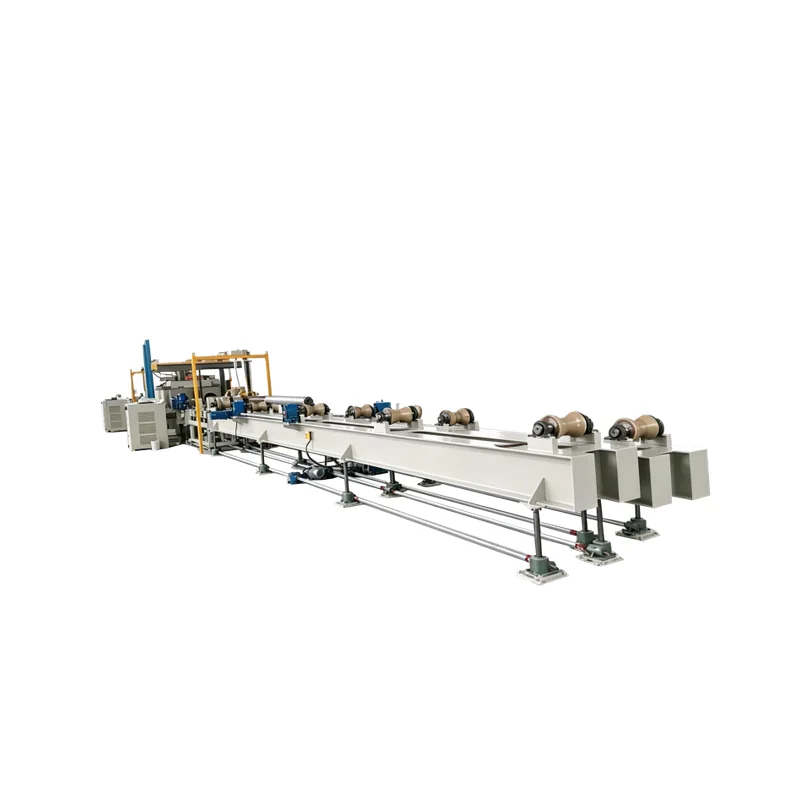
Haige’s horizontal continuous electroplating production line provides a concrete starting point for long cylindrical workpieces. The current product data identifies an application for long mandrels, a listed diameter range of 90–280 mm, a listed length range of 10,000–13,000 mm and a 2-channel/1-string process configuration.
Those values describe the published configuration; they do not mean every project or part inside the dimensional envelope is automatically compatible. The buyer should request confirmation of substrate, mass, end geometry, support and rotation, electrical contact, coating duty, process sequence, cycle assumptions and complete supply boundary. The supplier should also identify which values are fixed product data and which require engineering review.
For projects outside the listed workpiece family, do not assume that scaling the dimensions is sufficient. Ask for a project-specific technical review and a marked deviation or alternative proposal.
What Common Procurement Mistakes Distort the Comparison?
- Using only the part envelope. Mass, end geometry, rotation and contact requirements remain undefined.
- Leaving pretreatment outside the RFQ. Quotations then include different starting conditions.
- Comparing nameplate output. Product mix, process time, changeover and yield assumptions may differ.
- Assuming environmental equipment is included. Ventilation and wastewater responsibilities can remain unpriced.
- Accepting “automatic” without a functional description. Recipes, alarms, traceability and plant communication may not match.
- Using one sample as complete acceptance. A sample result cannot replace equipment, documentation and duty-cycle verification.
What Should an Electroplating Production Line RFQ Include?
Provide workpiece drawings and revision; substrate and supplied condition; minimum, normal and maximum dimensions and mass; production mix; coating purpose and approved specification; masked and contact areas; incoming surface; process sequence; required pretreatment and post-treatment; target capacity and shifts; handling concept; building layout; utilities; ventilation and wastewater requirements; controls and data interfaces; inspection methods; FAT and SAT plan; sample parts; document language; spare-parts scope; installation and commissioning responsibility; quantity; destination; and applicable project or regulatory requirements.
Require the supplier to return every field as Confirmed / Deviation / Alternative / Buyer Input Required, together with a process flow, layout, utility schedule, responsibility matrix and acceptance proposal. Buyers with these inputs prepared can send them through the Haige project inquiry page for a project-specific technical review.