What Cost Factors Should Buyers Confirm Before Quoting a Bar Straightening Machine?
A useful bar straightening machine price comparison starts with a common technical scope, not with the lowest number on a quotation. The workpiece form and size range, incoming condition, required straightness, machine structure, position in the processing line, handling system, inspection method, and document package all affect what is being offered. If these fields are left open, two suppliers may quote machines built for different loads, different materials, or different levels of automation. The commercial figures will look comparable even though the equipment is not. A disciplined RFQ therefore fixes the production duty first, asks each supplier to state inclusions and deviations, and compares price only after the offered configurations have been aligned.
A price request is also a definition of production duty
“Straighten metal bars” is not enough information for equipment selection. A round black bar after rolling, a peeled bright bar, a thin-wall tube and a special-section profile place different demands on the straightening method and material support. Their acceptable surface contact also differs. Equipment that is suitable for correcting raw stock may not be the right choice when a finished surface must be protected.
The RFQ should begin with a workpiece matrix rather than a single nominal diameter. It should state the minimum, normal and maximum section; length range; material family; incoming straightness or representative curvature; surface condition; and the required output. If a project includes both bars and tubes, wall thickness and the risk of deformation under roll pressure also need to be discussed. For profiles, a drawing is more useful than a generic section name because corners, webs and asymmetry determine how the workpiece can be supported.
Production duty includes time as well as geometry. Batch sizes, product mix, expected operating pattern and changeover frequency influence whether a simple stand-alone arrangement or a more automated line configuration is appropriate. A supplier cannot define the same handling and control scope for occasional batches and continuous mixed-size production without making assumptions. Those assumptions should be visible in the offer.
Workpiece form determines the relevant machine family
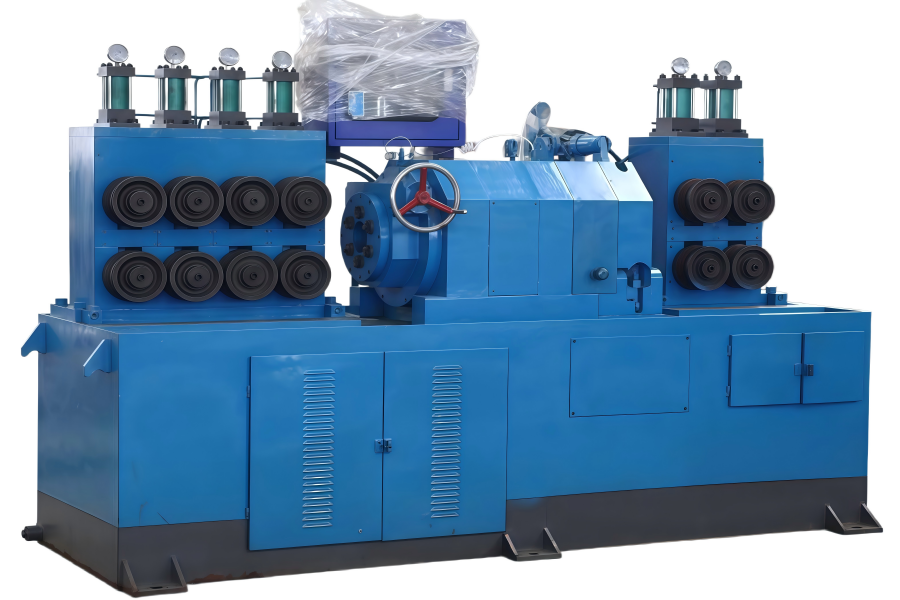
Haige’s straightening machine product range includes two-roll, multi-roll and press-straightening families, with additional structural groupings for two-roll machines. These are not interchangeable names for the same equipment. They describe different ways of applying and controlling corrective force.
Two-roll machines use shaped rolls to rotate and bend the workpiece through a controlled path. They are commonly considered for round bars and tubes, but the correct arrangement still depends on material condition, diameter, wall thickness and the surface that must leave the machine. Multi-roll equipment applies correction through several contact points and may be considered for bars, tubes or profiles depending on the roll arrangement. Press straightening addresses local curvature in a different way and normally requires a clear method for locating and correcting the affected region.
This distinction changes the quotation before a model number is chosen. It affects the main mechanical structure, roll set, guides, loading route, controls, guarding and inspection concept. A low quotation for the wrong machine family does not create a saving; it creates another selection problem.
Structural scope can change both the offer and its limits
Within a machine family, structural descriptions such as frame, prestressed, or two-beam four-column arrangements can indicate different approaches to stiffness, load path, access and adjustment. The commercial effect should not be inferred from the label alone. The supplier needs the workpiece duty and output requirement before explaining which structure is proposed and why.
A quotation review should therefore connect every structural choice to a stated requirement. What material and size range is the offered frame intended to process? Which incoming curvature has been assumed? How are the working rolls adjusted? What change parts are needed across the stated range? How will the machine protect a peeled or ground surface? The answers reveal whether a quoted structure covers the full project or only the easiest workpiece.
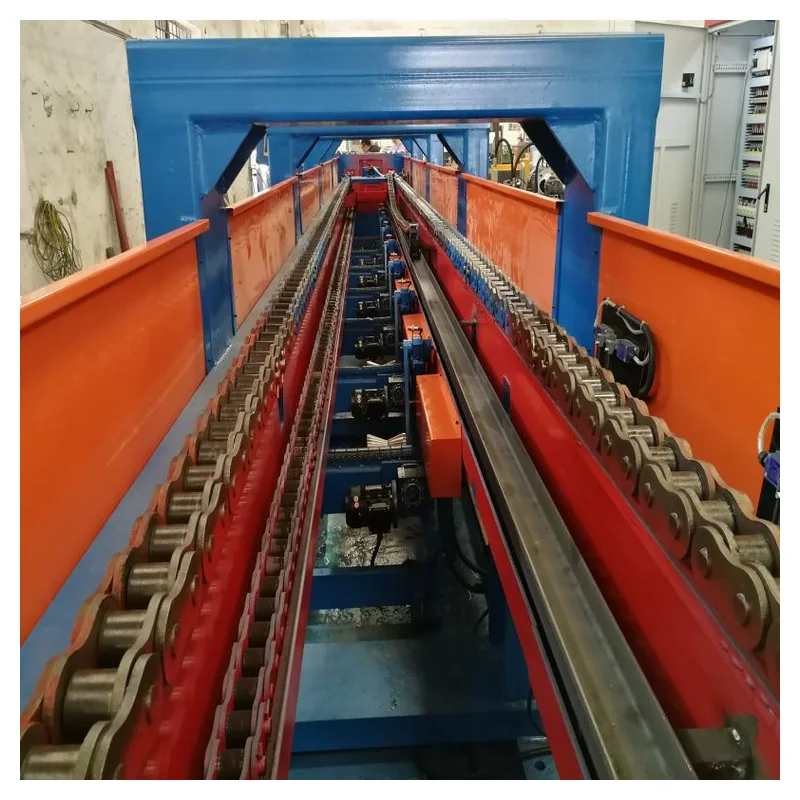
There is also a difference between a catalog configuration and a complete line-ready package. The machine body may be only one part of the investment. Foundations, infeed and outfeed tables, transfer systems, electrical interfaces, hydraulic equipment, lubrication, cooling, guarding and installation responsibilities can sit inside or outside the quoted boundary. Unless the offer identifies these items, a headline straightening machine price says little about the amount still required to make the process operational.
Line position changes what the machine must protect
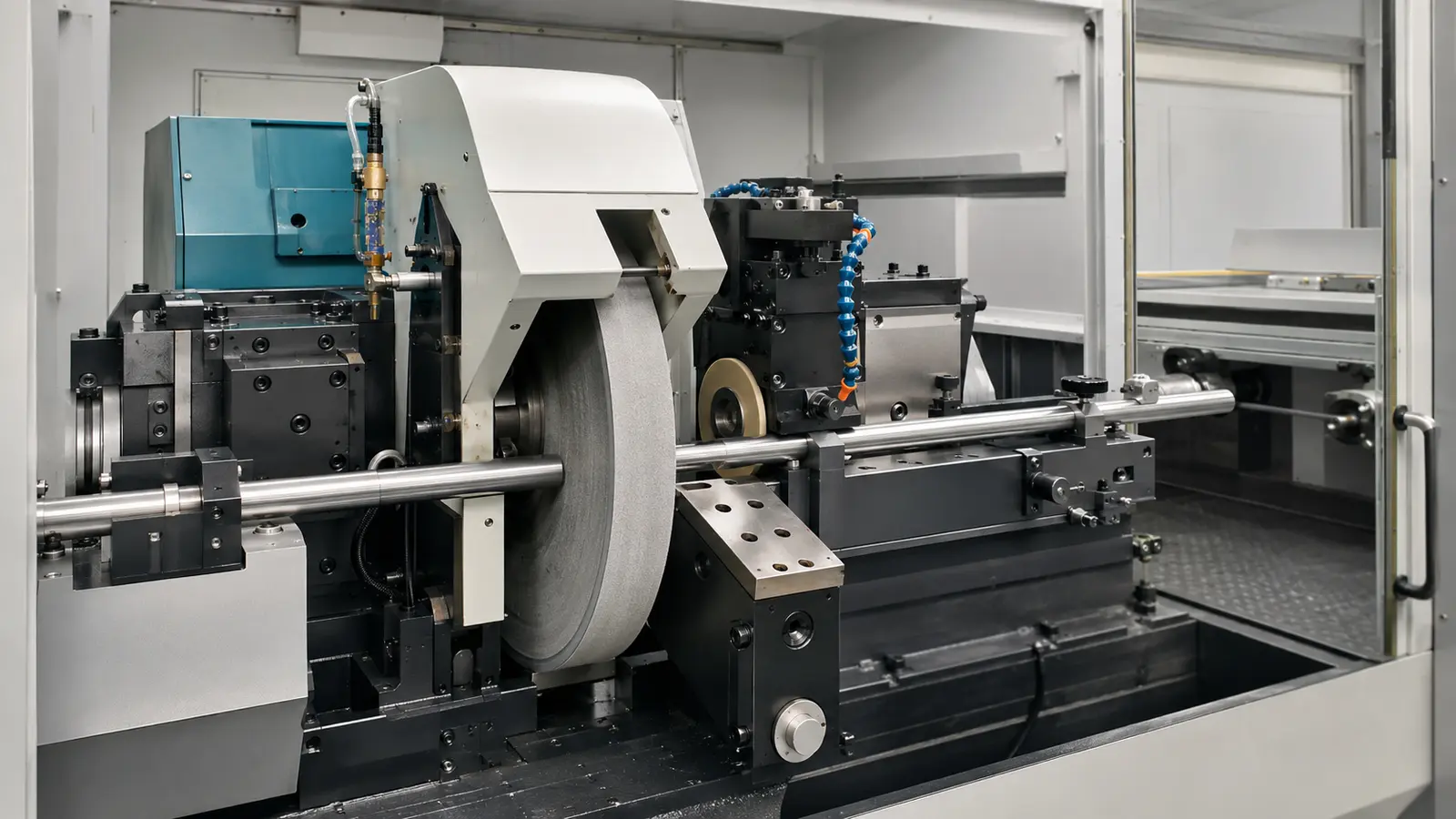
Straightening before peeling or grinding deals with a different incoming surface and downstream objective from straightening after those processes. Upstream straightening may be needed to make the bar stable enough for subsequent machining. Downstream straightening must correct geometry without undoing the surface quality or dimensional consistency already created.
This relationship is important in a bright-bar line. If the incoming bend is greater than the downstream machine can accept, the straightener becomes part of process preparation. If straightening occurs after material removal, roll contact and contamination control become more important because marks introduced at this stage may remain on the finished bar. A quotation should state the intended line position and the condition of the workpiece entering and leaving the machine.
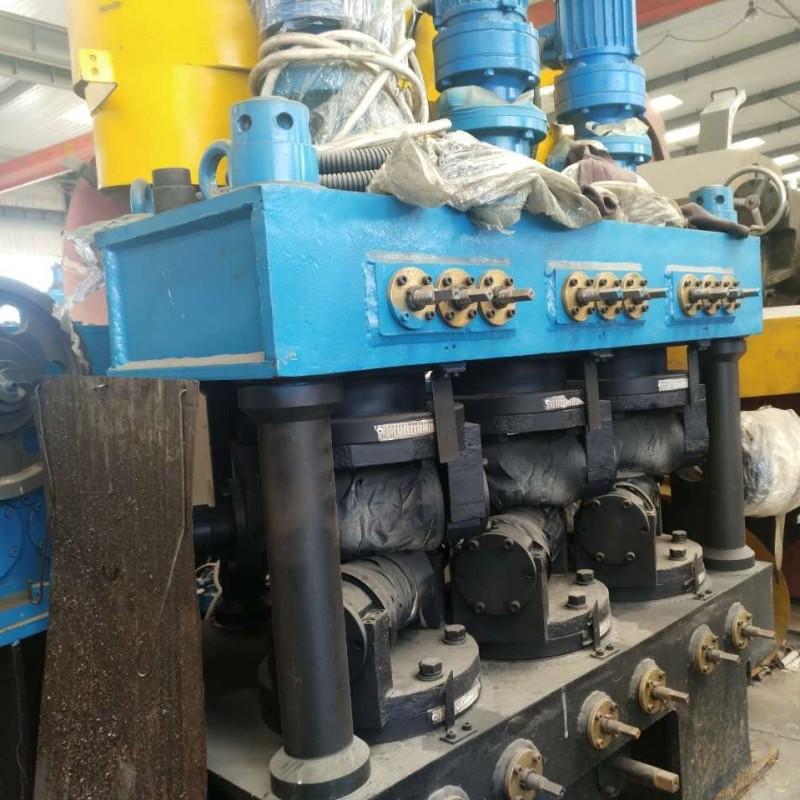
The JZ80 bar and tube straightener, for example, is presented as a seven-roll unit for correcting bending in bar or tube produced during rolling. Its page also describes attention to head and tail bending, slight ellipticity and oxide scale. That makes it a relevant product reference when the RFQ concerns multi-roll correction of round bar or tube. It should not be treated as proof that the same configuration fits every section, surface condition or acceptance target. Those project details still need confirmation.
Output straightness needs a measurement agreement
A target such as “high straightness” cannot be priced or accepted. The requirement needs a unit, a reference length and a measurement method. A limit expressed over one metre is not automatically equivalent to a limit over the full bar. Local bow, total bow, end condition and the treatment of head and tail regions may produce different inspection results even when the same word, straightness, is used.
The buyer should define where the workpiece is supported, which instrument or fixture is used, how many positions are measured, whether the bar is rotated, and how the maximum deviation is reported. If roundness, diameter, surface roughness or visible roll marks also matter, they should appear as separate acceptance characteristics. Straightening can interact with these characteristics, but it does not replace their individual definitions.
Inspection scope affects cost because it changes the required machine stability, setup work, trial procedure and records. A quotation that includes a witnessed sample run, dimensional report and approved sample covers more than an offer that promises a result without defining how it will be demonstrated. The difference belongs in the comparison sheet, not in a late-stage negotiation.
Handling and automation often explain the largest scope gaps
Long bars need controlled support before, through and after straightening. Poor alignment at the machine interface can introduce vibration, surface contact or inconsistent feeding that is mistakenly blamed on the straightening rolls. The RFQ should describe bundle handling, singulation, entry alignment, transfer height, exit collection and the available floor layout.
Automation can include far more than an automatic cycle. Size changeover, recipe storage, roll positioning, workpiece tracking, downstream communication and reject handling are separate functions. A supplier may include some, offer others as options, or exclude the surrounding line entirely. The buyer gains a clearer comparison by asking for an itemised control and handling scope rather than one “automatic” checkbox.
Utilities and site interfaces also need a boundary. The offer should identify the required electrical supply, hydraulic and pneumatic dependencies if applicable, lubrication or cooling provisions, extraction needs, foundation loads, installation space and responsibility for interconnecting equipment. These fields influence project cost even when they do not change the base machine price.
Use a quotation matrix to expose exclusions
A comparison matrix turns a price list into a technical review. Each supplier should complete the same fields and declare any departure from the requested duty.
| RFQ field | Buyer defines | Supplier returns |
| Workpiece envelope | Form, drawing, size and length ranges, material and surface condition | Accepted range, restrictions and required change parts |
| Incoming and outgoing condition | Representative bend, line position and measurable output limits | Assumed input, offered result and exceptions |
| Machine arrangement | Required process duty and access constraints | Machine family, structure, roll arrangement and selection reason |
| Line scope | Upstream/downstream machines, transfer height and layout | Included handling, controls, guarding and interface list |
| Acceptance | Measurement method, sampling and document expectations | Trial procedure, report scope and declared tolerances |
| Commercial boundary | Delivery basis, site services and target schedule | Inclusions, options, exclusions, dependencies and deviations |
Options should remain separate until their purpose is understood. Spare roll sets, change tooling, measuring equipment, automatic loading, commissioning support and training may be valuable, but combining them into one total obscures the base configuration. Ask suppliers to price the compliant base scope, then list options with the technical condition that makes each option necessary.
Total project cost extends beyond the purchase order line
Machine price is only one part of the commercial decision. Floor preparation, line integration, utility work, inspection equipment, operator training, consumables, roll maintenance and planned spare parts can shift cost into later project stages. The objective is not to estimate these items generically; it is to establish which party owns them.
Changeover effort deserves particular attention in mixed production. A machine may cover a wide nominal size range while requiring different rolls, guides or setup time across that range. The supplier should identify what is standard, what is optional and what needs a new engineering review. Similarly, documentation should be listed rather than assumed: general arrangement, foundation information, utility schedule, operating instructions, parts list, inspection records and electrical documentation may not have the same scope in every offer.
Once these boundaries are visible, buyers can compare compliant cost, integration cost and optional cost separately. That produces a more defensible procurement decision than ranking suppliers by a single total that was built from different assumptions.
Frequently asked questions about straightening machine quotations
Can a supplier quote from bar diameter and length alone?
A preliminary budget may be possible, but reliable selection also requires material condition, incoming bend, output straightness, surface state, production duty and line position. Tubes need wall-thickness information, while profiles normally need a drawing.
Why can two bar straightening machine prices differ greatly?
The offers may use different machine families, structures, handling systems, control functions, inspection scopes or commercial boundaries. Compare the accepted workpiece duty and included line scope before treating the difference as a price advantage.
Should the RFQ specify a model?
A model reference can help, but it should not replace the duty specification. State the workpiece and acceptance requirements, then ask the supplier to confirm whether the referenced model is suitable or propose a justified alternative.
What evidence should accompany the final offer?
Useful evidence can include a completed specification sheet, layout, interface list, deviation schedule, trial and inspection proposal, document list, option list and sample requirements. The exact package depends on project stage and complexity.
Prepare a quotation that can be compared
Before requesting the final offer, assemble the workpiece matrix, representative drawings or samples, incoming and outgoing inspection requirements, line layout, handling concept, required utilities and document expectations. Ask the supplier to return the offered configuration, accepted operating envelope, exclusions, options and every departure from the RFQ. These details can be submitted through Haige’s bar straightening project inquiry form so the technical scope can be reviewed before price and delivery terms are compared.