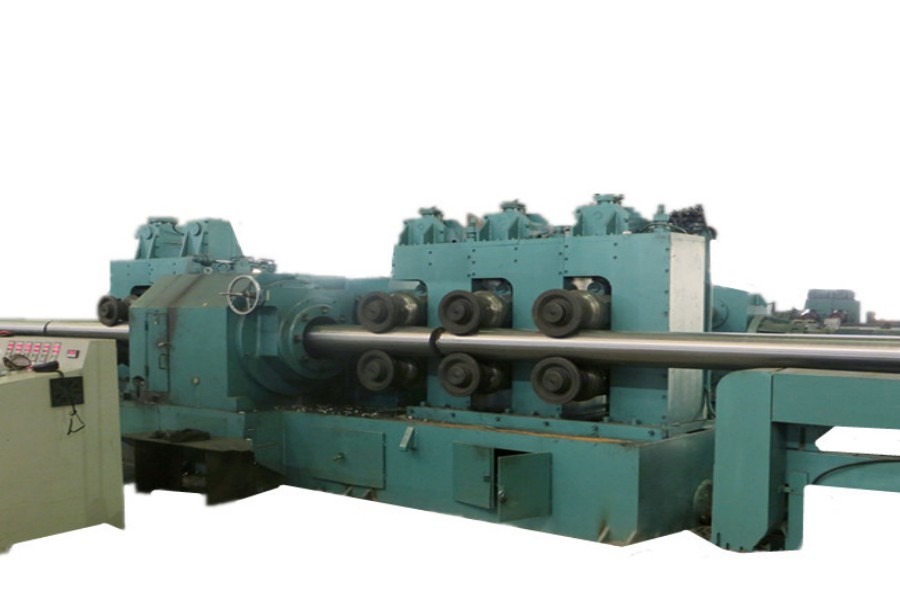
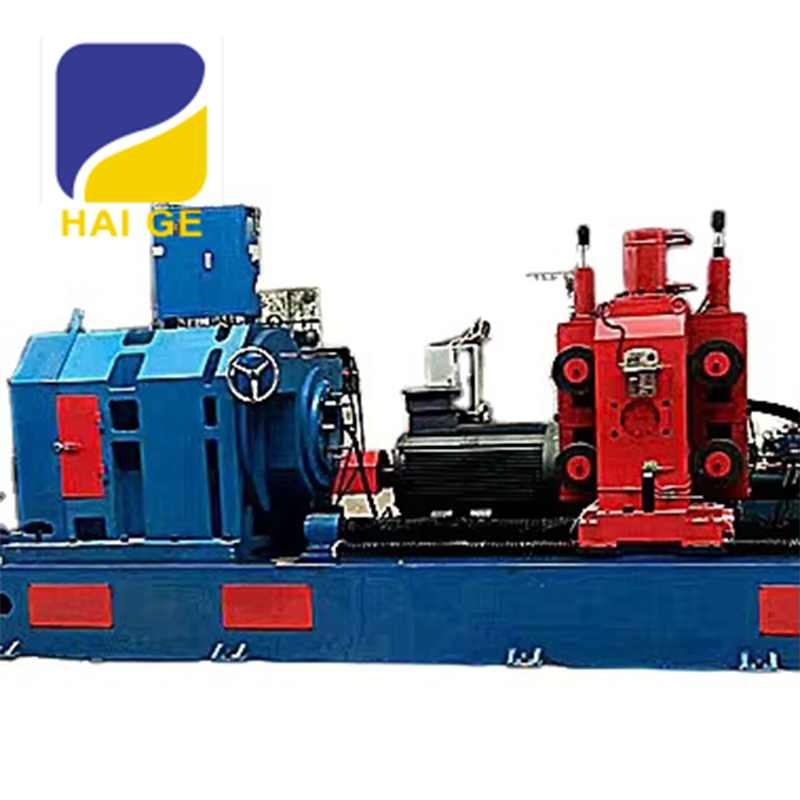
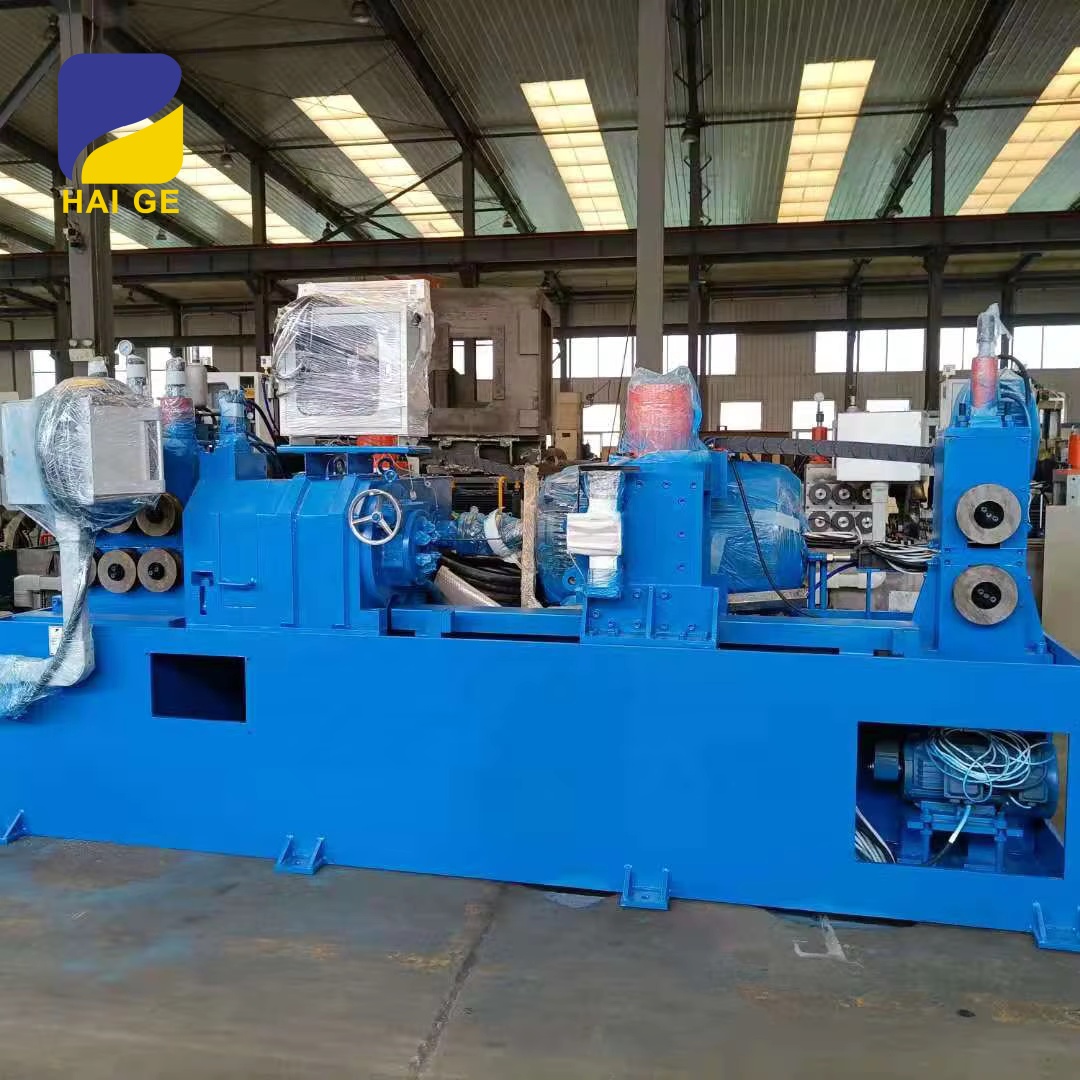
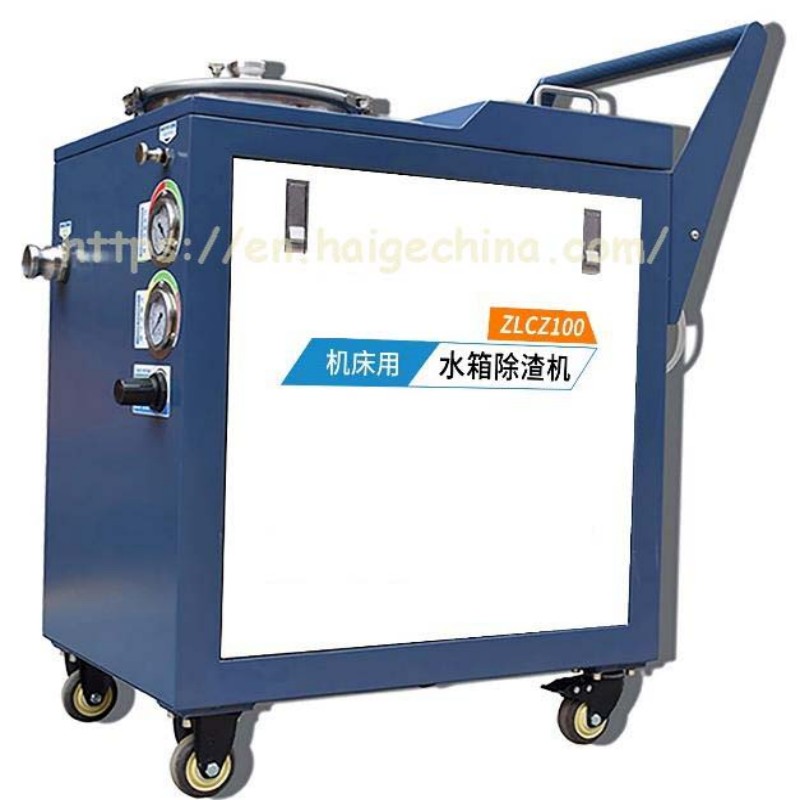
If you are searching for straightening machine manufacturers, start by matching the machine type to your material, part size, straightening requirement, and production workflow. A useful RFQ should include drawings or photos, quantity range, destination, and expected delivery planning.
For export order preparation, do not compare suppliers by price alone. Ask about technical details, sample confirmation, inspection points, installation guidance, spare parts, and after-sales response so your purchasing team can evaluate application fit more clearly.
Begin with the application. Confirm the workpiece material, diameter or size range, required straightness, feeding method, and how the straightening machine will connect with your existing process. These details help the supplier recommend a more suitable model or customization direction.
Prepare RFQ documents before contacting suppliers. Include photos, drawings, target output, voltage requirements, destination port or country, packaging needs, and any required certificates or inspection documents. If samples are needed, state how they will be tested and approved.
When comparing quotations, review more than the machine price. Check the scope of supply, tooling or roller configuration, control options, installation requirements, operator training notes, warranty terms, and recommended spare parts. Ask suppliers to explain differences between related products if several models appear similar.
Before confirming an export order, clarify quality checks, packing method, shipping dimensions, commissioning support, and after-sales contact process. A supplier that answers technical and usage questions clearly can be easier for a factory purchasing team to work with during approval and repeat orders.