Best-Fit Round Rod Straightening Machine Sourcing in China for OEM/ODM Wholesale Buyers | Yantai Haige Machine Tools Co., Ltd.

Best-Fit Round Rod Straightening Machine Sourcing in China for OEM/ODM Wholesale Buyers

Use this page to plan sourcing for China Cheap OEM Wholesale Buy Best Famous Discount CE Certification High-Quality ODM Round Rod Straightening Machine Manufacturer, Factory, Suppliers, Exporter, with an OEM project mindset. It helps procurement teams connect application needs with practical product options.

Before sending an RFQ, review the machine match, customization questions, sample approval steps, and export order details. This keeps supplier communication focused and makes it easier to build a workable shortlist.

Hot Selling Product

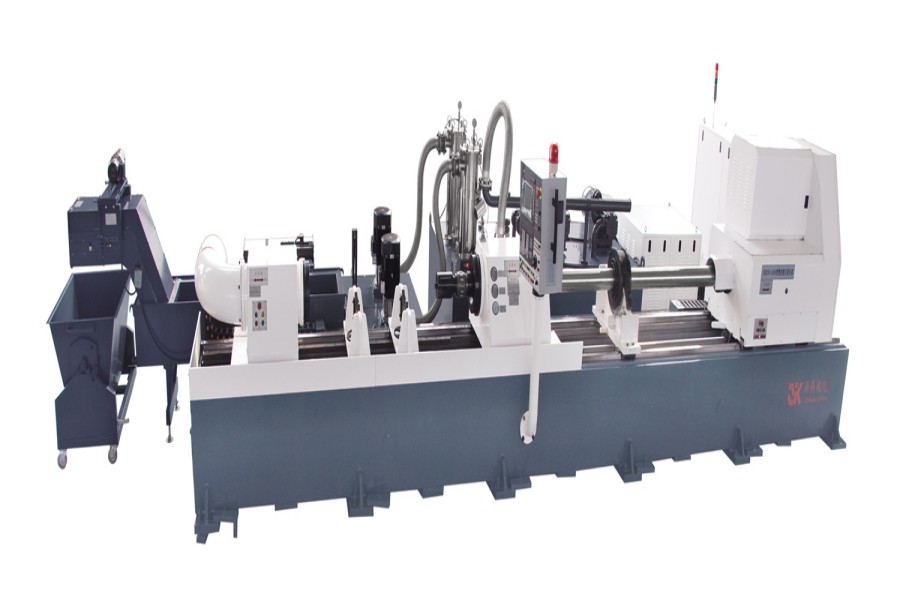
Pressure Straightening Machine

Pressure Straightening Machine

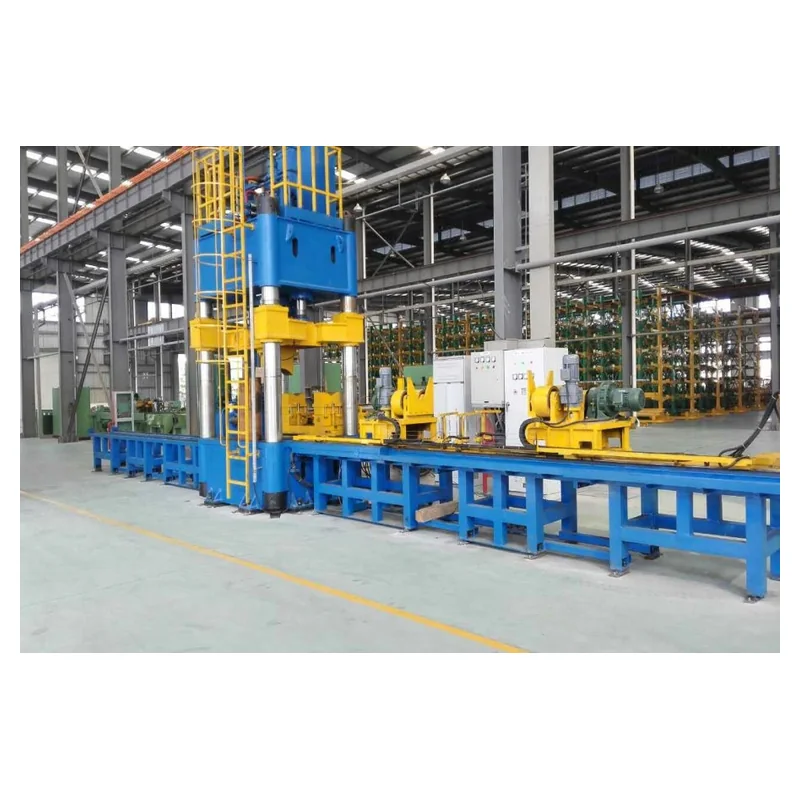
The press straightening machine is used for correcting local bending and deformation of bars, shafts, tubes, profiles and forged parts. It is especially suitable for point-by-point correction after heat treatment, machining, forging or transportation. The equipment applies controlled hydraulic pressure to selected bending positions while the operator or measuring system checks straightness and adjusts the correction amount. It can handle high-strength steel parts and larger workpieces that are not suitable for continuous roll straightening. Typical applications include shaft straightening, round bar correction, tube straightening, mold component repair, forged part finishing and heavy mechanical part rework. The machine features strong pressing force, stable hydraulic performance, easy operation and flexible tooling options. It helps reduce scrap rate and improves dimensional accuracy before final machining or inspection.

Read More
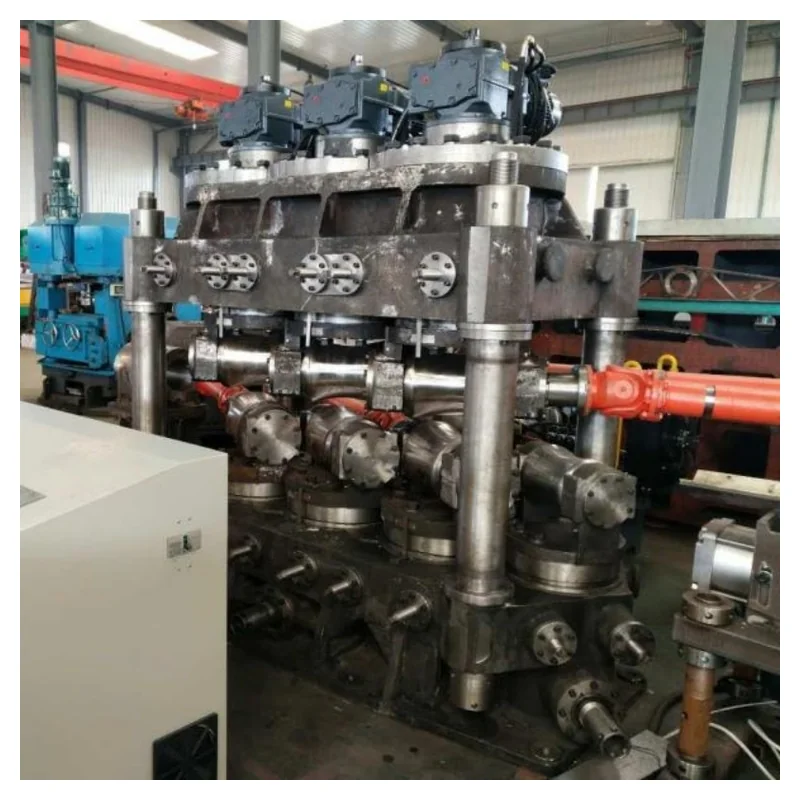
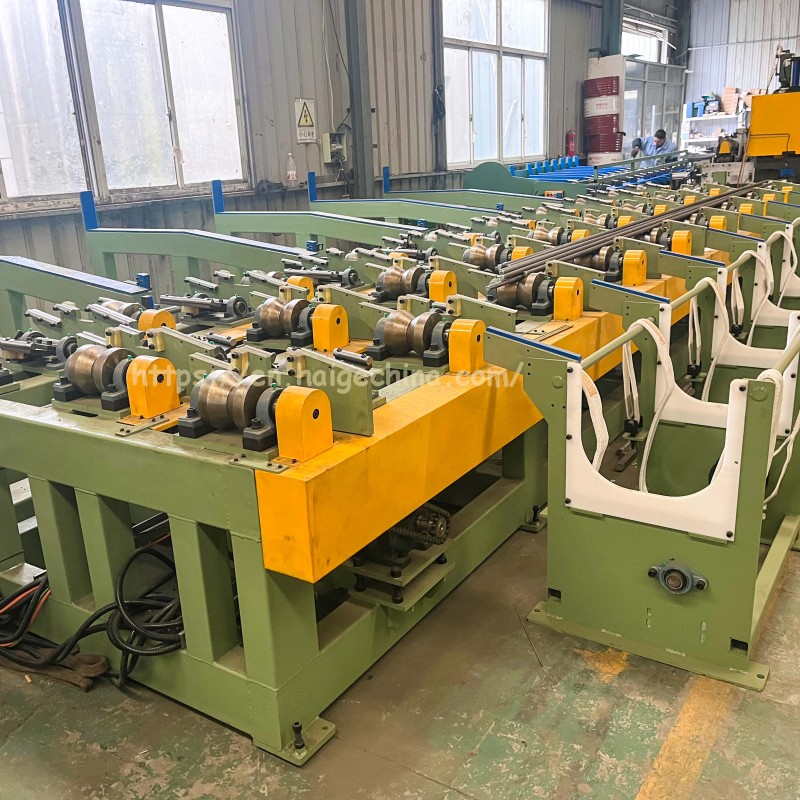
Tube and Bar Multi-Roll Straightening Machine

Tube and Bar Multi-Roll Straightening Machine

The seven roll straightener is used to straighten the bending of bar or tube created in the rolling process. It has obvious effect in solving bar head or tail bending, eliminating slight ellipticity and removing oxide scale. The material of bar or tube includes Carbon tool steel, carbon structural steel, alloy tool steel, alloy structural steel, spring steel, stainless steel, bearing steel, titanium chromium nickel alloy etc..

Read More
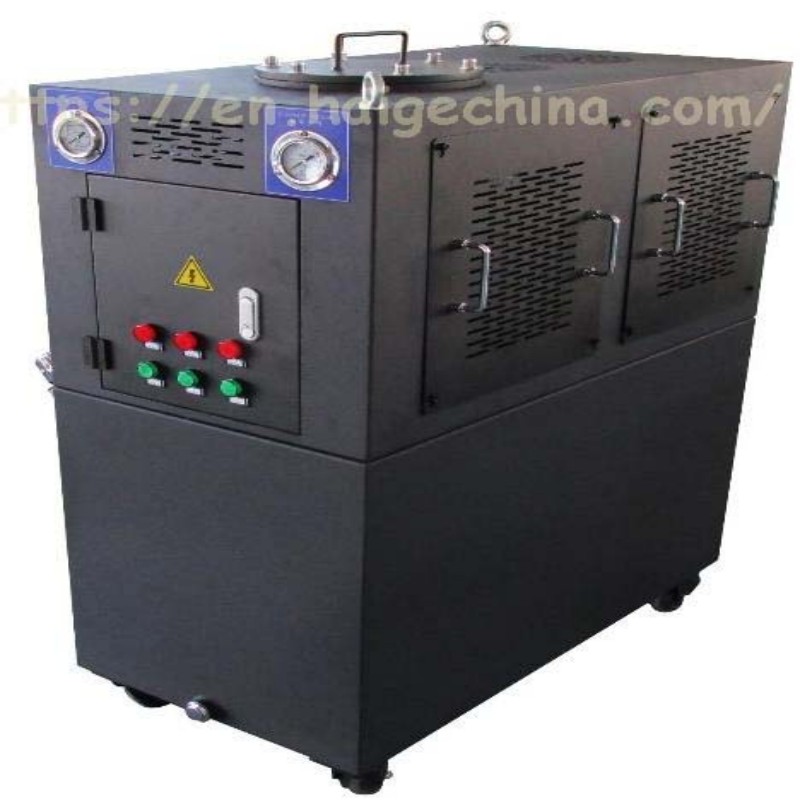
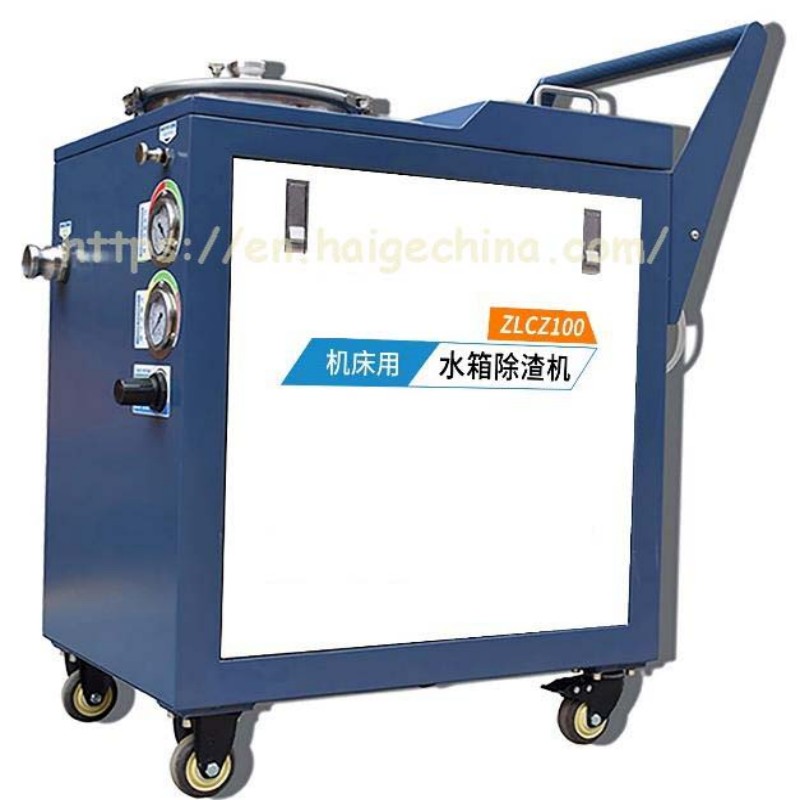
ZLCZ Series Debris Removers (for machine tools)

ZLCZ Series Debris Removers (for machine tools)

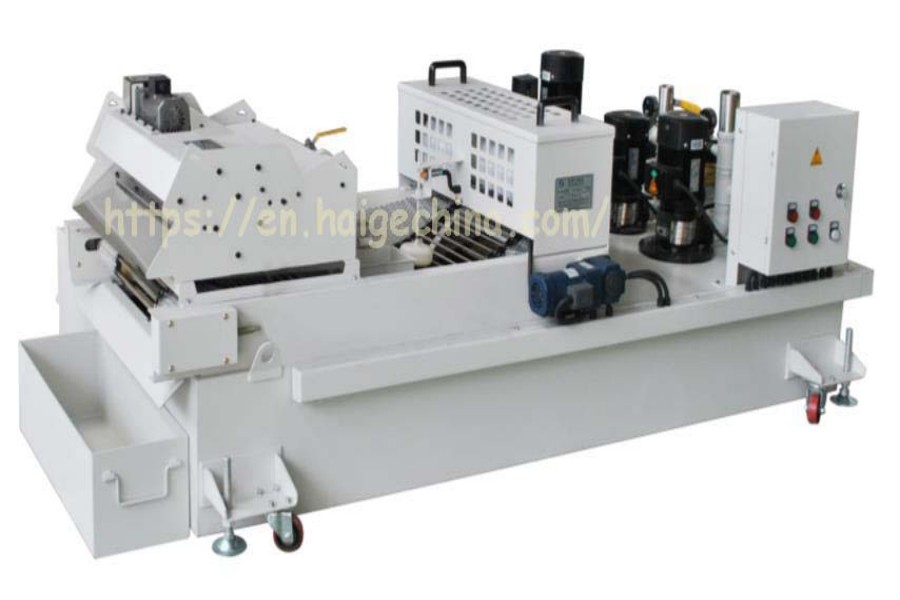
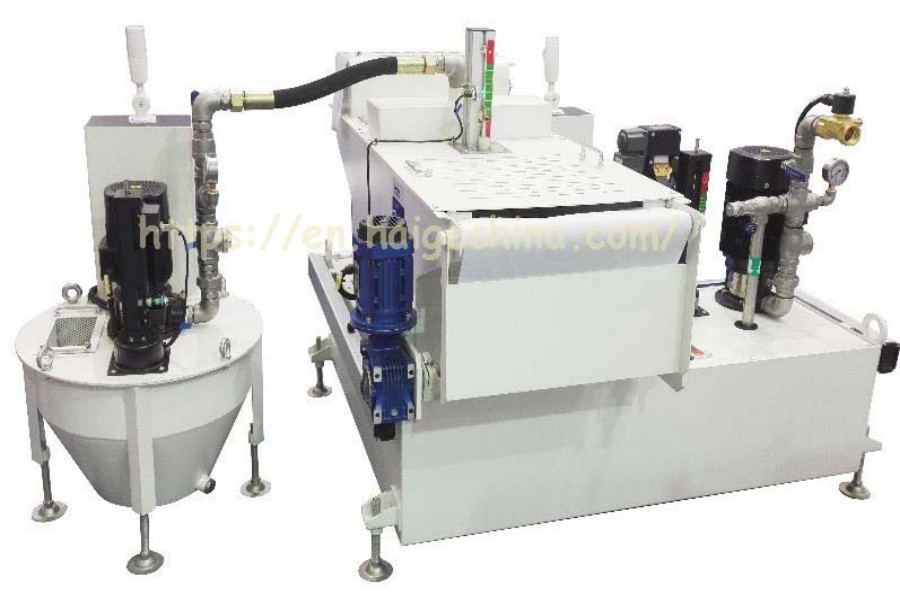
ZLCZ series slag remover is mainly applicable to the cleaning of metal and non-metal debris, sludge, etc. in the water tank of the machine tool. The main components of the machine include inlet and outlet pipe parts, filter barrel parts, water pump parts and box parts. The mixture of cutting fluid and metal debris is sucked into the filter barrel through the water inlet of the water pump, and the cutting fluid filtered by the filter screen is sent back to the cutting fluid pool, and the purpose of removing debris and debris is achieved by circulating filtration. This machine is plug free, the quick connector is plug and play, the machine tool is free of shut down, and can be cleaned at any time.

Read More
CNC skiving and roller burnishing machine

CNC skiving and roller burnishing machine

CNC Skiving & Roller Burnishing Machine (1)It has the following advantages compared with traditional honing: (2)Improve processing efficiency: Processing speed is nearly 20 times that of honing. (3)Enhance surface hardness: Surface hardness is increased by more than 50%. (4)Processing precision: Processing precision can reach level IT8, and surface roughness can reach Ra0.05-0.4μm. (5)Working environment: Low noise, non-pollution, labor cost-saving. (6)Reasonable processing arrangement: Skiving & roller burnishing can be arranged as the last operation after the others (such as drilling oil filler hole, welding, threading).

Read More
Chamfering Machine

Chamfering Machine

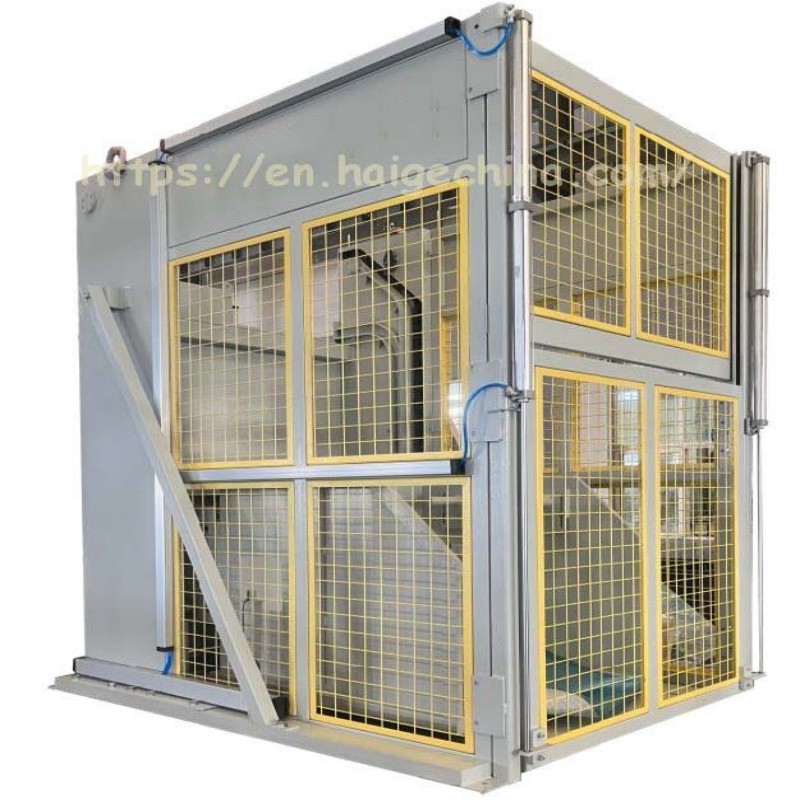
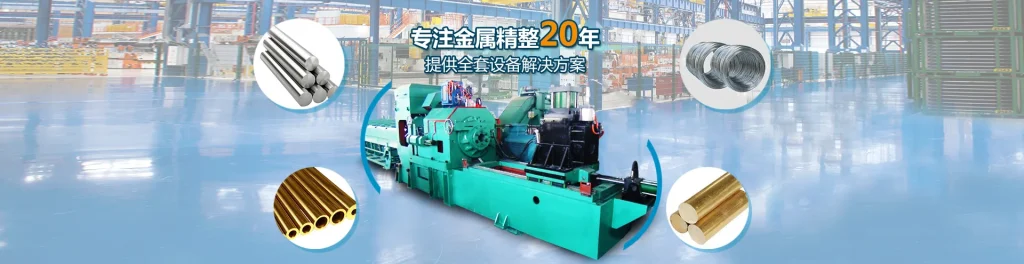
Double-bar dual-end Chamfering&facing and double-end chip removal device and conveying rack are all installed on the same body. The bar material is loaded to the left end facing device or the right end facing device through the dialing device on the roller table alternately. Two bars roll and slide into the double-station positioning V-groove. There are pulleys under the inner side of the V-groove. The cylinder pushes the bar on the pulley to the positioning block. The press cylinder on the double-facing device head drives the double V-shape holder to clamp the bar. Driven by the oil cylinder,the facing tool process the end surface.The left and right double facing devices process alternately. The jacking cylinder mechanism lifts the bar and convey the bar for the next double chamfering process (double pre-positioned V groove). The bar material was lifted and  slides down from the double pre-position slot to (the right ,the double-end chamfering v-groove), and the bar is pushed by the cylinder again to the right side of the double chamfering head. There is a positioning block in front of the head (pneumatic lifting block), the bar stops where the block positions, the block is lifted, and the pressure cylinder on the double chamfering head drives the double V-shaped clamp to clamp the right end of the bar and the double chamfering head begins the chamfering process. The bar material slides from the double chamfering V-groove on the right end and slides into the double chamfering V-groove on the left end, and pushes the bar on the pulley to the left double-chamfering head by the cylinder again. The left and right double-head chamfering is also processing alternately and repeatedly. The right machine head is fixed, the left head and the conveying rack are driven by hydraulic cylinders, which can be adjusted according to different bar materials, and the length of the bar to be processed can be adjusted on the operating table. Milled and chamfered products have no burrs and are smooth and flat. The milling depth of the end face can be adjusted from 3 to 5mm, and the chamfer size is 2 ~ 3 × 45 ° mm. The depth of the milling surface and the chamfer can be adjusted according to the actual situation of the incoming material. It is required that no new bending deformation should be caused to the bar during the processing.

Read More
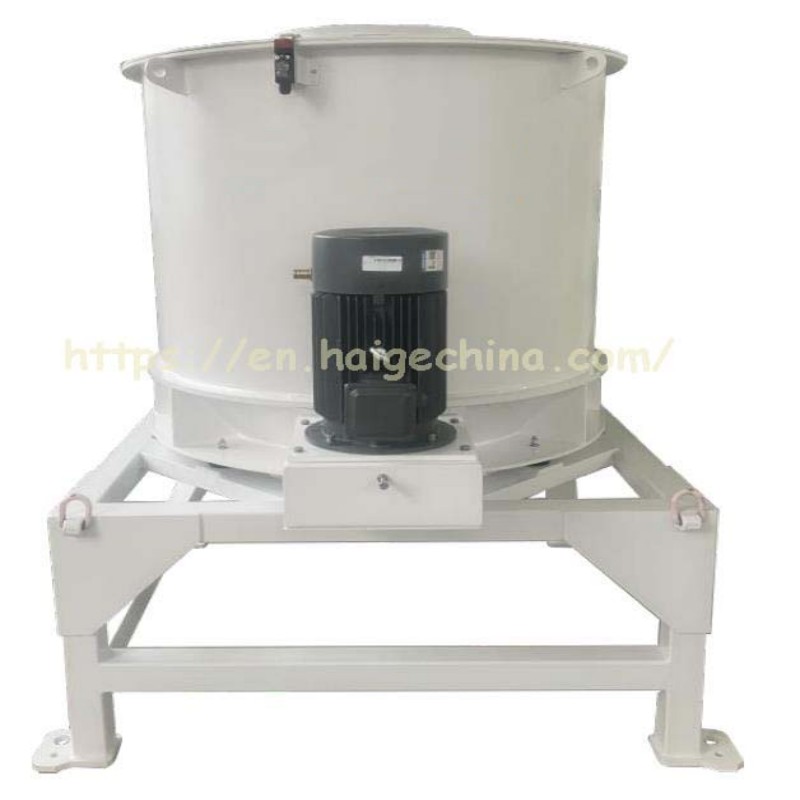
ZLTY Series Chip De-oiling Machines

ZLTY Series Chip De-oiling Machines

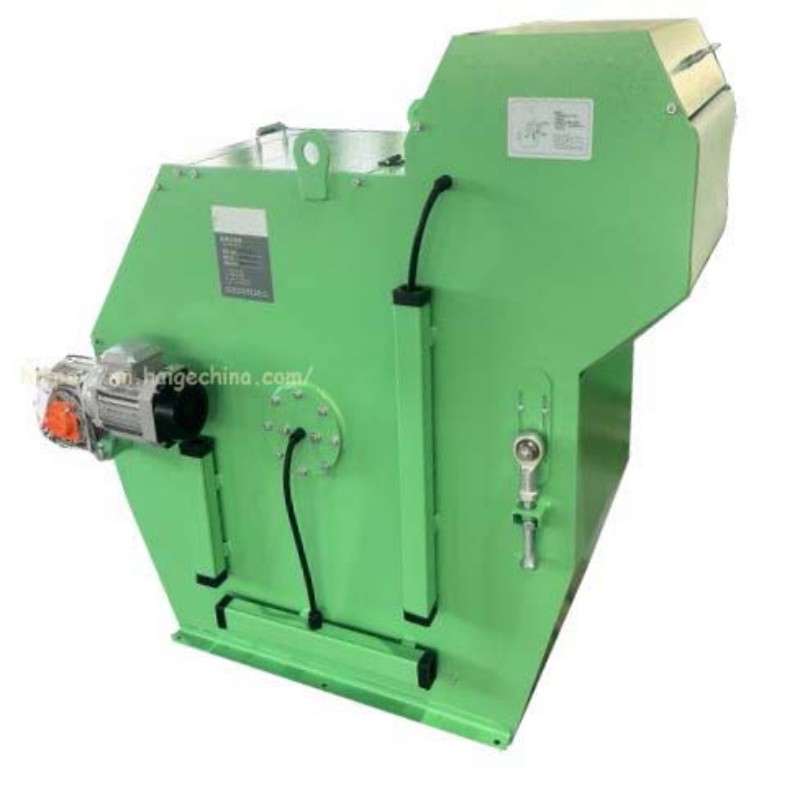
ZLTY series chip dryer is mainly used for separating the oil -chips from machine tools(like gear-cutting machines and gun-drills) using expensive coolant (cutting oil) as coolant. Oil-chips drop into the rotary drum of the dryer through a conveying device, and metal filings with coolant (cutting oil) are dried by the action of high-speed centrifugal force, so as to separate oil from the chips. It has a separating load of 100–1000 kg/h, with a drying rate ≥95%. The recycled liquid can be reused, thus making it economical and environmentally friendly.

Read More

How To Compare round rod straightening machine Options

Product Guide

The related product list helps you compare China Cheap OEM Wholesale Buy Best Famous Discount CE Certification High-Quality ODM Round Rod Straightening Machine Manufacturer, Factory, Suppliers, Exporter, by actual product direction rather than keyword wording alone. Check whether each product supports OEM project planning, then use the table below to prepare a clearer RFQ.

Criterion What To Check Why It Matters Buyer Tip
Rod range Confirm diameter, length, material Ensures application fit Attach drawings in RFQ
Straightness target State tolerance and test method Avoids unclear acceptance Request sample approval
OEM scope List voltage, tooling, guards, color Defines customization needs Separate must-have options
Order planning Ask MOQ, lead time, packing Supports bulk schedule Share forecast quantity
Supplier review Compare specs, service, export terms Builds reliable shortlist Use one RFQ template

How To Choose round rod straightening machine Supplier

If you are searching for a round rod straightening machine supplier, start by matching the machine to your rod material, diameter range, straightness requirements, production process, and available workshop conditions. Price matters, but application fit should come first.

For OEM planning, ask each supplier about customization scope, sample or trial approval, packaging requirements, lead time, and documentation for export orders. Clear project details help the supplier respond with a more relevant quotation.

Begin with the application. Confirm the rod material, size range, incoming bend condition, required output quality, and whether the machine will be used for continuous production or batch work. These details help avoid a mismatch between a general machine listing and your real production need.

For OEM or ODM requirements, prepare drawings, sample photos, target specifications, layout limits, electrical requirements, and any branding or packaging needs. If sample approval is part of your process, ask how the supplier supports confirmation before bulk order preparation.

When comparing suppliers, look beyond the first quotation. Ask about configuration options, adjustment method, spare parts, inspection points, packing method, export handling, and estimated lead time. Consistent answers are useful when building a product shortlist for internal review.

Before placing an order, confirm quantity, destination port or delivery terms, payment terms, documentation needs, and after-sales communication process. A detailed RFQ gives the manufacturer a better basis for confirming feasibility, schedule, and cost.

Criteria Importance Description Example Options
Application range High Match rod size and material. Steel round rod OEM line
Customization scope High Check available OEM/ODM changes. Roller layout option
Sample approval High Define testing before bulk order. Buyer sample trial
Supplier response Medium Compare technical clarity. Detailed RFQ reply
Export packaging Medium Confirm transport protection needs. Marked wooden crate

Top Product Matches

Recommended Products

Top product matches should be reviewed by fit, specification clarity, customization readiness, and how well they support application matching. Use these factors to shortlist practical options before contacting the supplier.

Top Selling Product Selection Factors

Application matching Fit rod specs first
Customization clarity OEM details matter
Sample approval Set inspection rules
Bulk order readiness Confirm packing and timing
Supplier communication Use clear RFQ data

Blog Articles / Reviews

How to Choose a Bar Peeling Machine for Round Bar Surface Defect Removal

How to Choose a Bar Peeling Machine for Round Bar Surface Defect Removal

For round bar producers, steel mills and machining material suppliers, a bar peeling machine is usually purchased to solve a very specific production problem: the incoming bar surface cannot meet the next process requirement. Hot-rolled bars may carry oxide scale. Forged or rolled bars may have shallow cracks, decarburized layers, rust or uneven outer surfaces. […]

Bar Peeling, Straightening and Burnishing: How to Build a Reliable Bright Bar Finishing Line

Bar Peeling, Straightening and Burnishing: How to Build a Reliable Bright Bar Finishing Line

For steel mills, bright bar producers and metal processing workshops, surface quality is not only a visual requirement. It affects downstream machining stability, straightness control, material utilization and the final confidence of the buyer. When round bars, tubes or wire rods enter the finishing workshop with oxide scale, shallow cracks, decarburized layers or bending, a […]

Use recent buyer-style feedback to understand how procurement teams compare specifications, supplier options, RFQ readiness, and export order needs.

Morgan L. Bennett August 22, 2026
I used the round rod straightening machine page to clarify rod diameter ranges, material notes, and what adjustment details our maintenance team needed before sending an inquiry.
Priya S. Mehta August 18, 2026
I was comparing round rod straightening machine options, and this page helped me list our bar length, surface finish concerns, and operator setup questions more clearly.
Ethan R. Wallace August 12, 2026
I needed a round rod straightening machine for processed shaft stock, and the content reminded me to ask about feed method, straightening rollers, and adjustment workflow.
Lena V. Ortiz August 5, 2026
I found the round rod straightening machine topic useful because it kept my request focused on bent rod correction, repeatability needs, and daily production handling.

Frequently Asked Questions

How should a procurement manager assess application fit for a China OEM round rod straightening machine?

Match the required rod material, diameter range, straightness target, surface tolerance, and production workflow with the machine configuration. Share drawings, sample photos, and downstream process details with the manufacturer, factory, suppliers, or exporter before shortlisting.

What custom options are typically discussed for an ODM round rod straightening machine project?

Common customization topics include roller layout, feeding method, control interface, fixture design, protective covers, and integration with cutting or polishing lines. Confirm which options are engineering changes and which are standard selectable configurations.

How can buyers communicate requirements without relying only on Cheap, Best, Famous, or Discount claims?

Use a technical RFQ with rod sizes, materials, tolerance expectations, operating conditions, acceptance method, documentation needs, and packaging notes. This helps compare high-quality supplier responses based on application matching rather than promotional wording.

What should be prepared before requesting a wholesale quotation from round rod straightening machine suppliers?

Prepare estimated order quantity, target application, sample approval plan, preferred OEM branding requirements, electrical standards, installation environment, and export destination. Clear information helps suppliers respond with relevant machine specifications and commercial terms.

Which lead-time questions are reasonable for an OEM straightening machine project?

Ask for the quotation validity period, engineering confirmation steps, sample testing arrangement, production schedule assumptions, inspection timing, and export document preparation. Avoid assuming delivery promises until the supplier confirms the final configuration and order details.

What packaging requirements should be clarified with a China round rod straightening machine exporter?

Clarify moisture protection, crate type, lifting marks, spare parts packing, operation manual placement, and destination handling requirements. Packaging should align with machine size, transport mode, and buyer-side receiving conditions for the planned export order.

Leave Your Message

Share your rod material, diameter range, straightening requirement, quantity, destination, customization needs, and sample approval plan so the supplier can review your project more accurately.