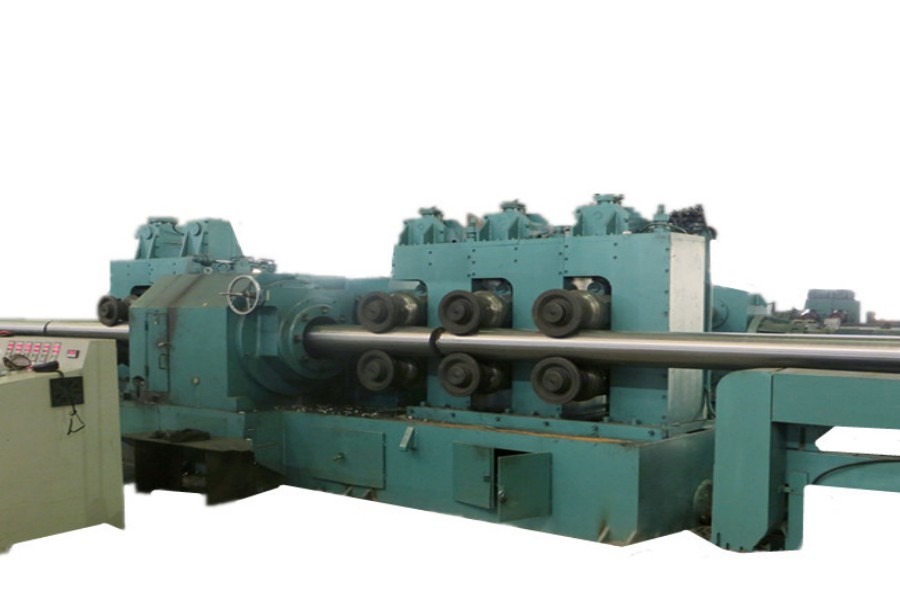
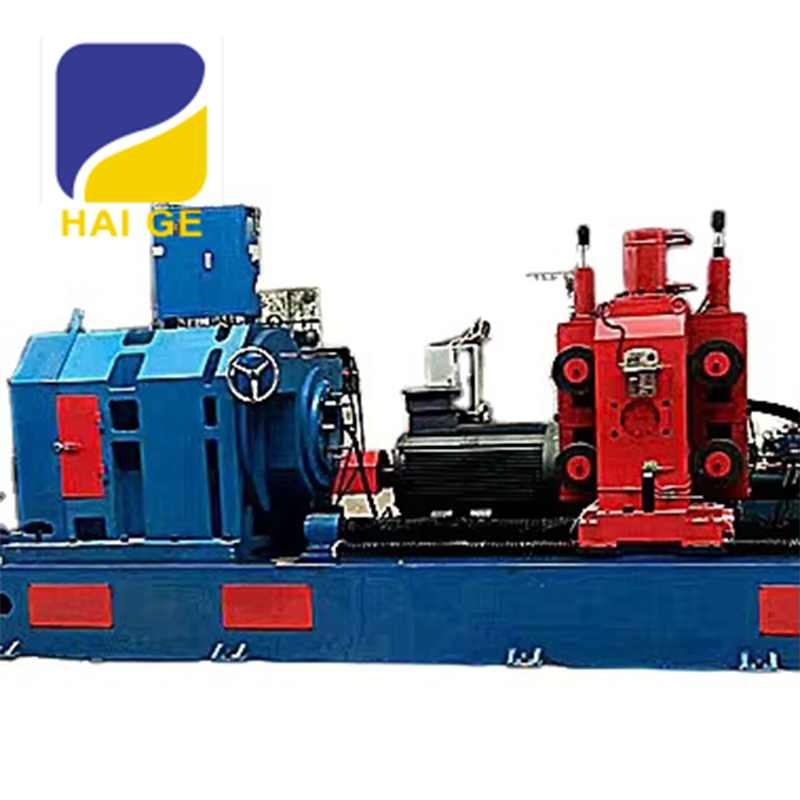
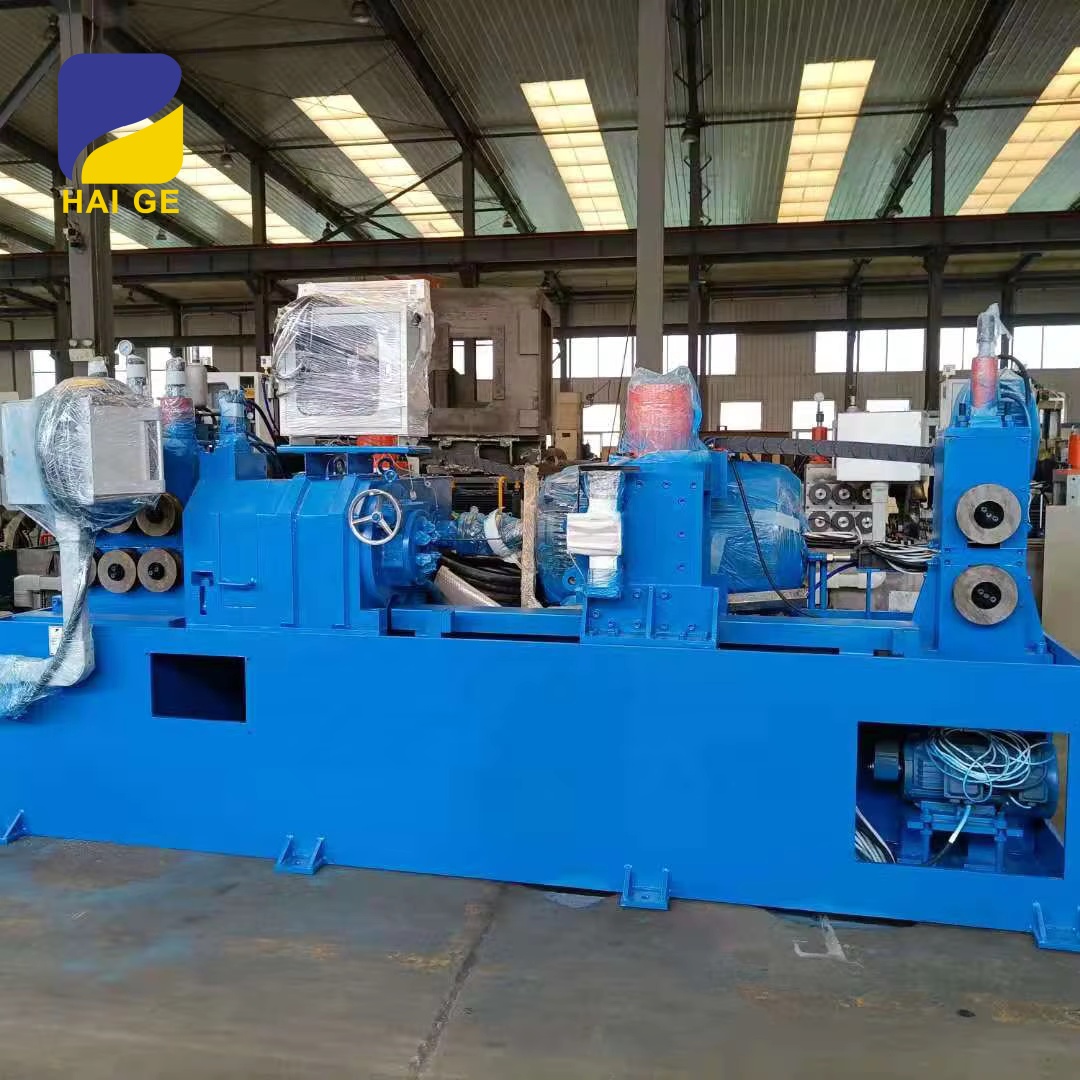
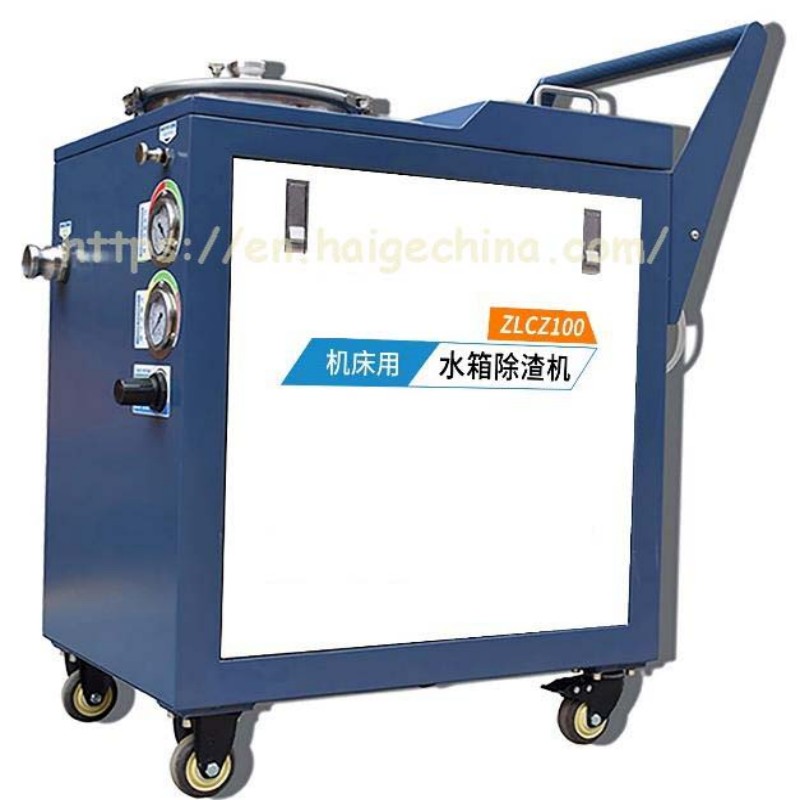
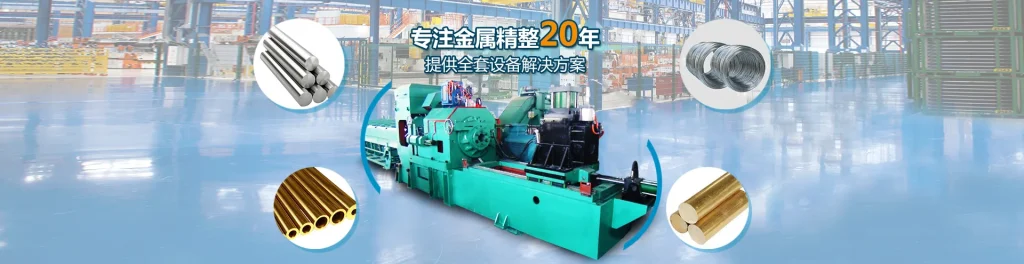
If you are sourcing a professional polishing machine, start by confirming the application, workpiece material, polishing requirement, size range, power needs, and production workflow. A clear checklist helps the supplier recommend a more suitable model instead of sending only a general catalog.
For OEM or ODM projects, also define brand customization, packaging expectations, sample approval steps, inspection points, and after-sales communication needs. This makes the inquiry easier to quote and easier to compare across suppliers.
Begin with the application environment. Share what type of parts will be polished, the required surface result, expected output, available workspace, and any process limits. For a project engineer, these details help confirm whether a standard machine, modified configuration, or custom solution is more appropriate.
Prepare a specification checklist before asking for price. Include voltage, motor power, working dimensions, polishing method, control requirements, safety preferences, consumables, spare parts, and installation conditions. If you need brand customization, add logo, color, nameplate, manual, and packaging requirements.
Sample confirmation should be handled carefully. Ask what sample materials are needed, how test results will be shared, which parameters can be adjusted, and how the confirmed sample or test record will guide production. This reduces misunderstandings between technical approval and bulk order execution.
When comparing suppliers, look beyond the lowest quotation. Review whether the supplier asks useful technical questions, explains quality checks, supports customization, and provides practical after-sales communication. Consistent answers are important when the project must match approved specifications across repeat orders.