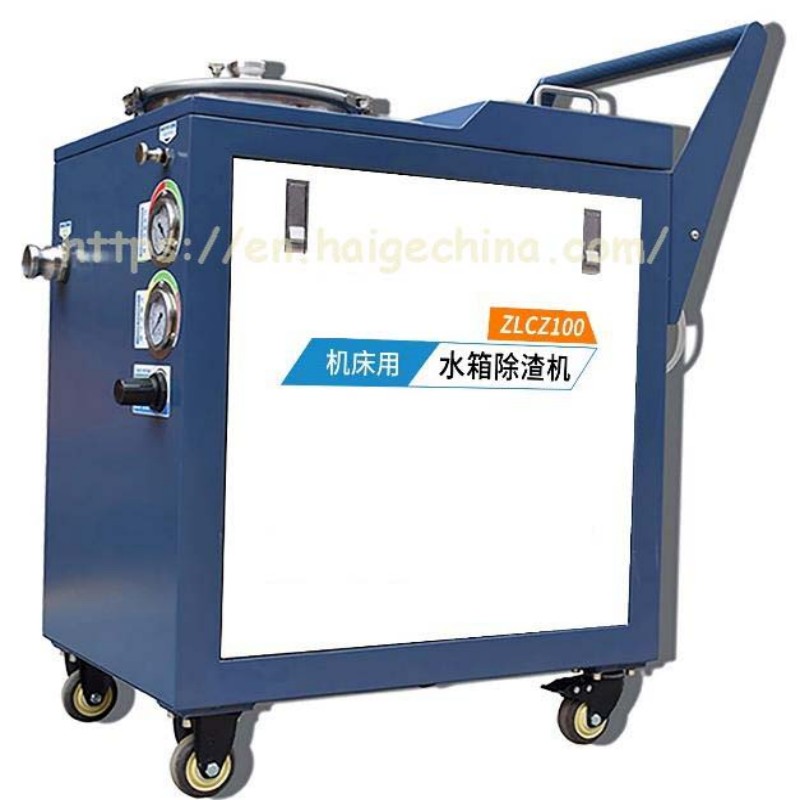
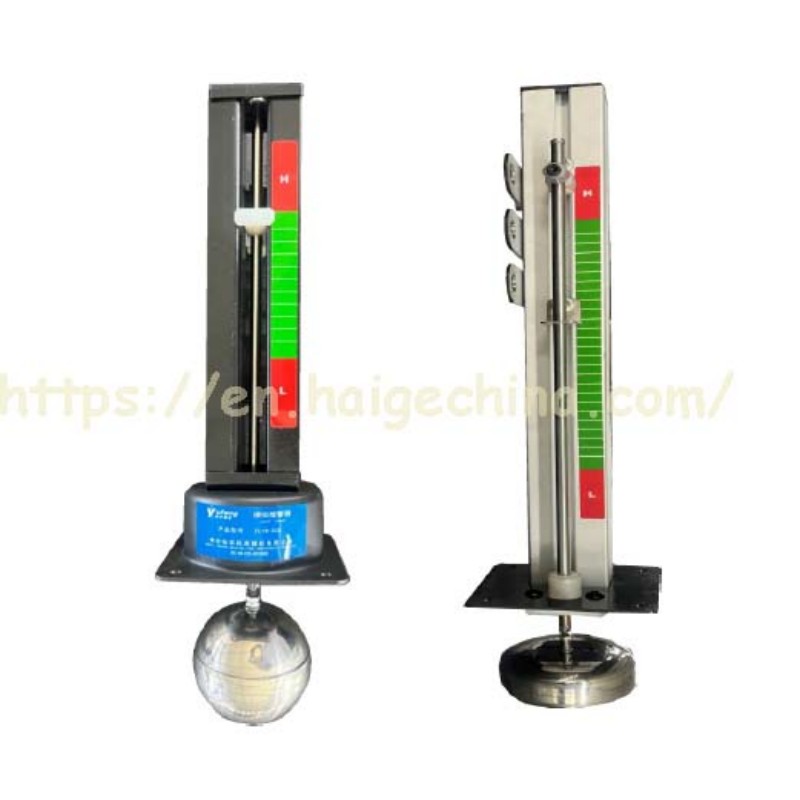
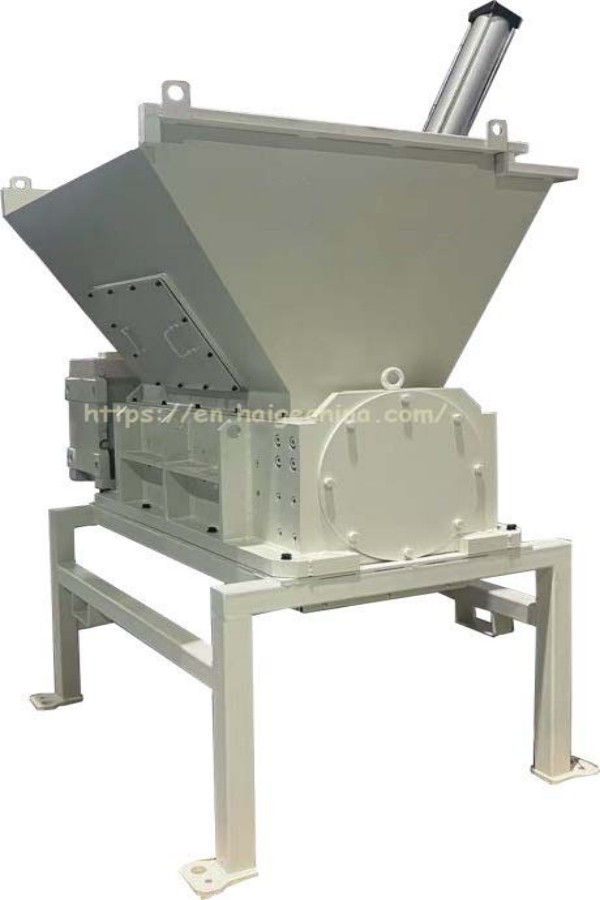
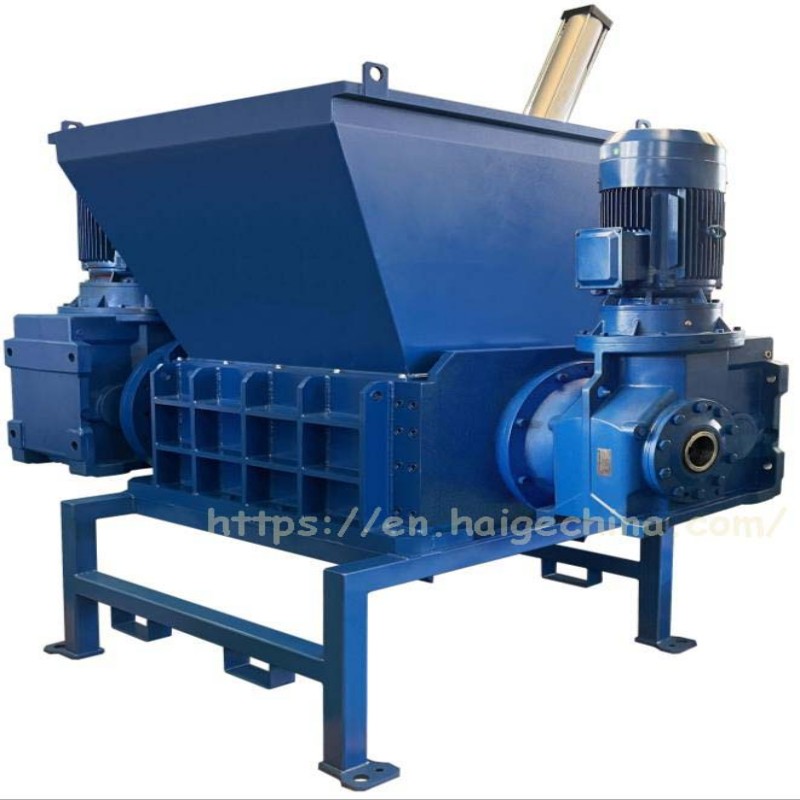
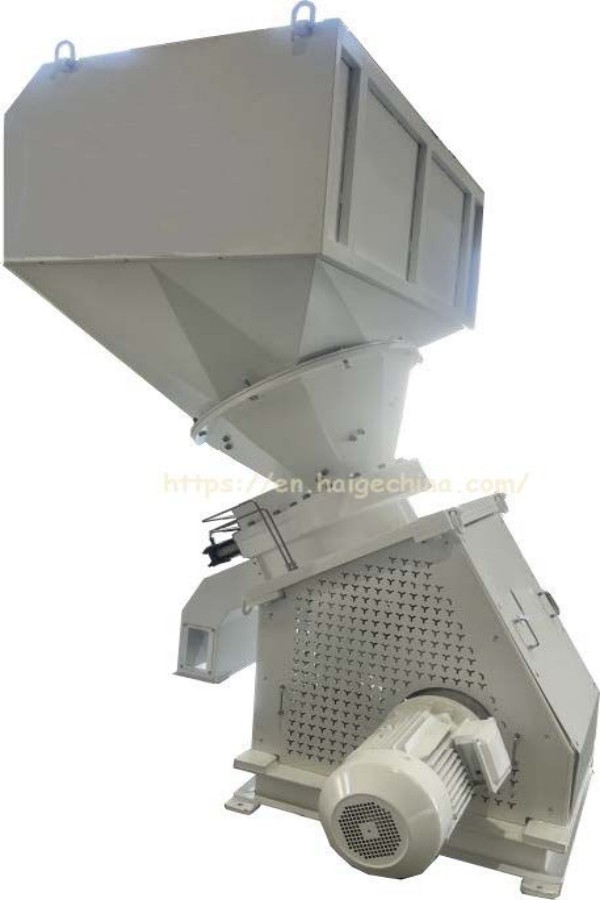
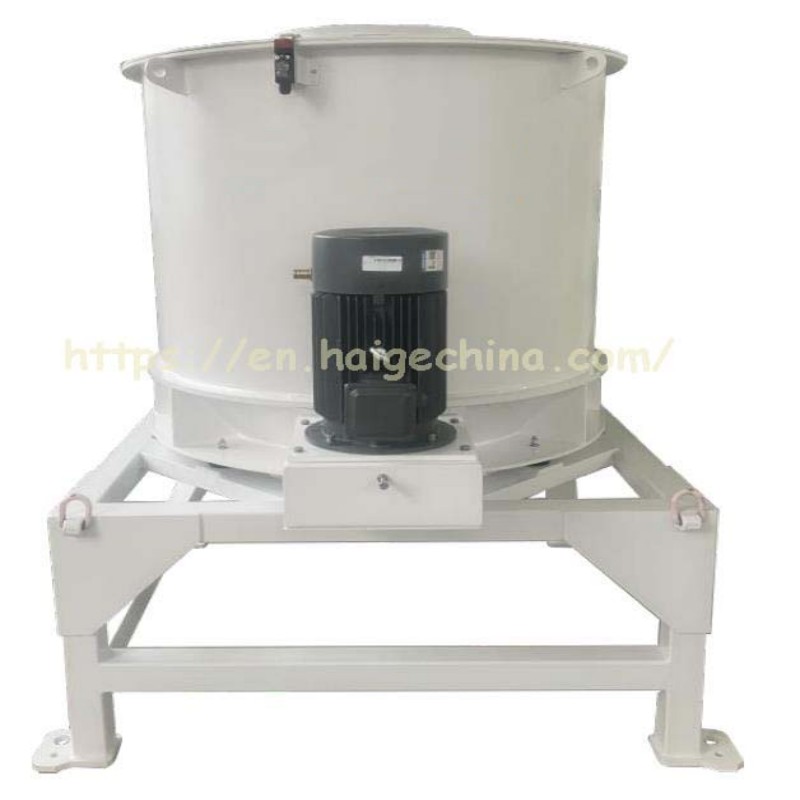
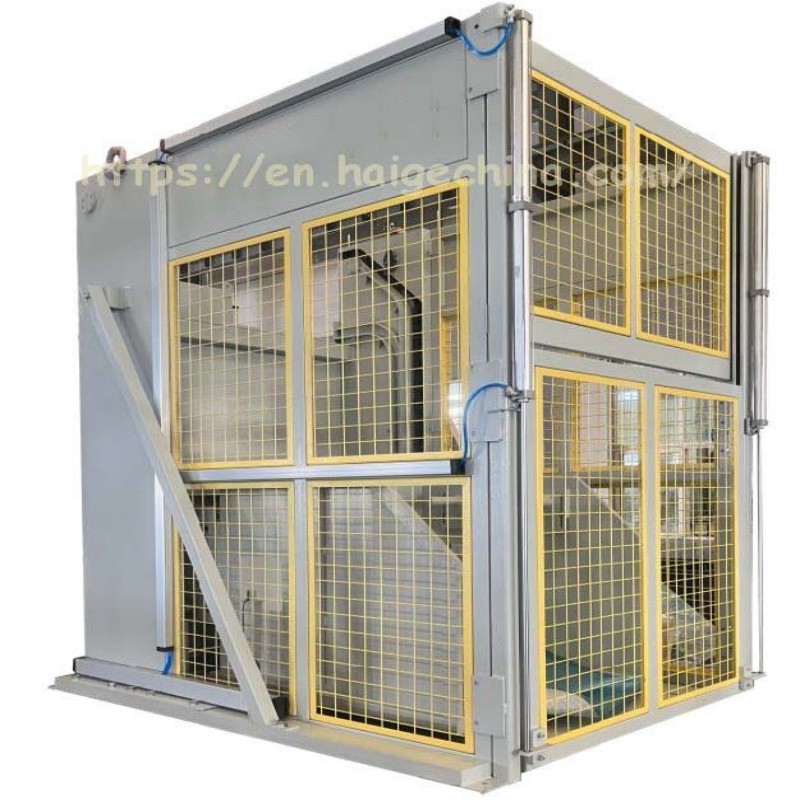
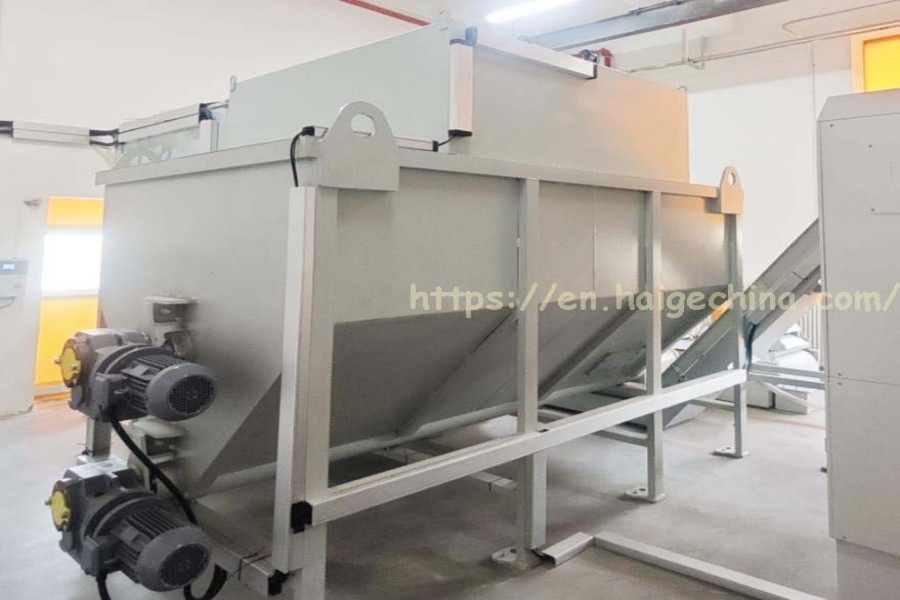
If you are searching for polishing equipment, the practical answer is to compare suppliers by application fit, specification response, customization capability, and communication detail. A useful inquiry should include workpiece information, required finish expectations, quantity range, destination, and any brand or packaging needs.
For custom specification confirmation, do not rely on price alone. Ask how samples are reviewed, which technical details must be confirmed before production, what inspection steps are available, and how after-sales support is handled for your project conditions.
Begin with a clear specification checklist. Share the material to be processed, product size, surface target, production environment, expected output, and any limits on layout or operation. This helps the supplier judge whether a standard model or an adjusted solution is more suitable.
For OEM or ODM requests, confirm which parts can be customized, including appearance, controls, accessories, labeling, documentation, and packaging. If brand customization is important, explain your project standards early so the quotation and technical discussion stay consistent.
Before sample or order confirmation, ask about drawings, videos, test conditions, inspection points, spare parts, and installation or operating guidance. These questions help reduce risk before committing to a larger wholesale or project-based purchase.
When comparing suppliers, review the quality of their questions as well as their offer. A supplier that asks about application details, tolerance expectations, and approval steps is usually easier for a project engineer to evaluate than one that sends only a general price list.