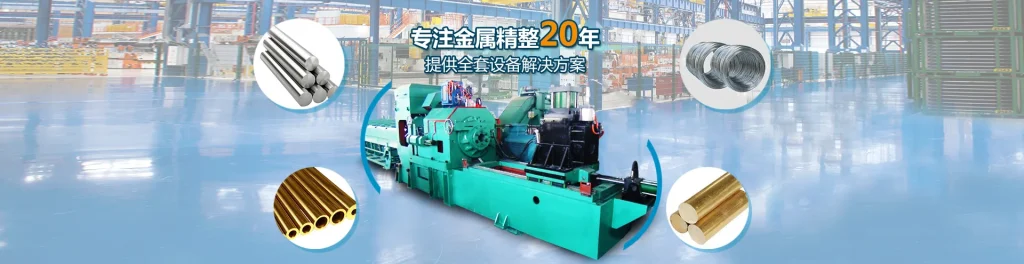
Pipe polishing machine price should be requested after confirming application details, machine configuration, tube specifications, and any OEM or ODM requirements. A useful quotation normally depends on the workpiece range, polishing process, automation level, accessories, packaging, and delivery terms.
For supplier comparison, send the same sample questions to each manufacturer, factory, supplier, or exporter. Compare how clearly they respond on specification fit, customization options, quality checks, after-sales support, and bulk order preparation.
Start with the sample approval workflow. Share tube diameter, wall thickness, material, required surface effect, production environment, and whether the buyer needs sample testing before confirming a wholesale order. Clear application notes help reduce mismatched recommendations.
When comparing suppliers, ask for the machine scope in writing. Confirm polishing heads, applicable pipe sizes, power requirements, consumable needs, control options, safety features, and packing method. If CE documentation is required for your market, ask what documentation can be provided before placing an order.
For OEM or ODM planning, separate fixed requirements from optional preferences. Branding, color, voltage, tooling, feeding structure, or layout changes may affect price and lead time. A clear RFQ helps the supplier explain what is standard, what is customized, and what needs technical review.
Before bulk order approval, align on inspection points, sample acceptance criteria, spare parts, training materials, after-sales communication, and export documents. The lowest discount price is not always the best comparison point if specifications, support scope, or delivery terms are unclear.