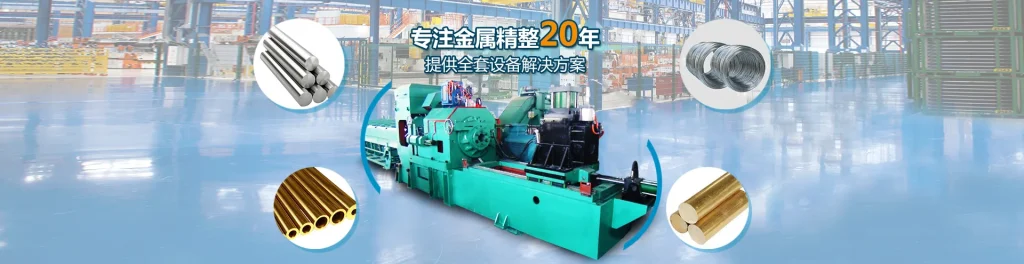
A metal straightener machine should be sourced by matching the machine specification to the material type, width, thickness, coil or sheet condition, and required production workflow. Price comparison is useful only after these details are clear.
For B2B buyers, the best next step is to prepare an RFQ that includes technical requirements, target quantity, destination, customization needs, and quality inspection expectations. This helps suppliers respond with relevant models and practical options.
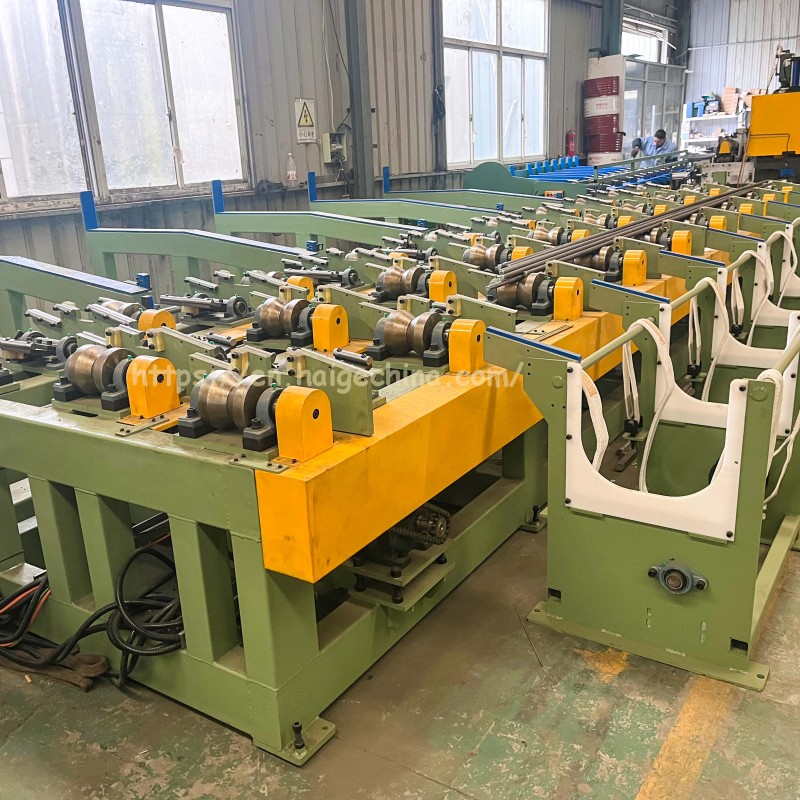
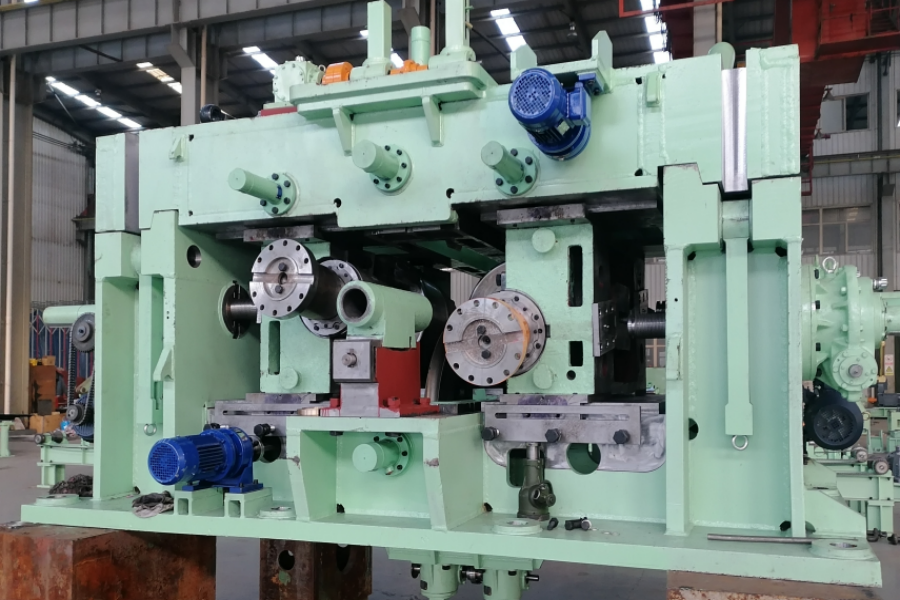
Start with the material profile. Confirm whether the machine will process steel, aluminum, stainless steel, or another metal, and list the thickness, width, hardness, and surface condition. These details affect roller design, frame strength, motor selection, and straightening performance.
Next, define the size and configuration requirements. Operations teams should check feeding direction, roller quantity, control method, speed range, integration with existing lines, floor space, and whether the unit needs to work with decoiling, cutting, stamping, or forming equipment.
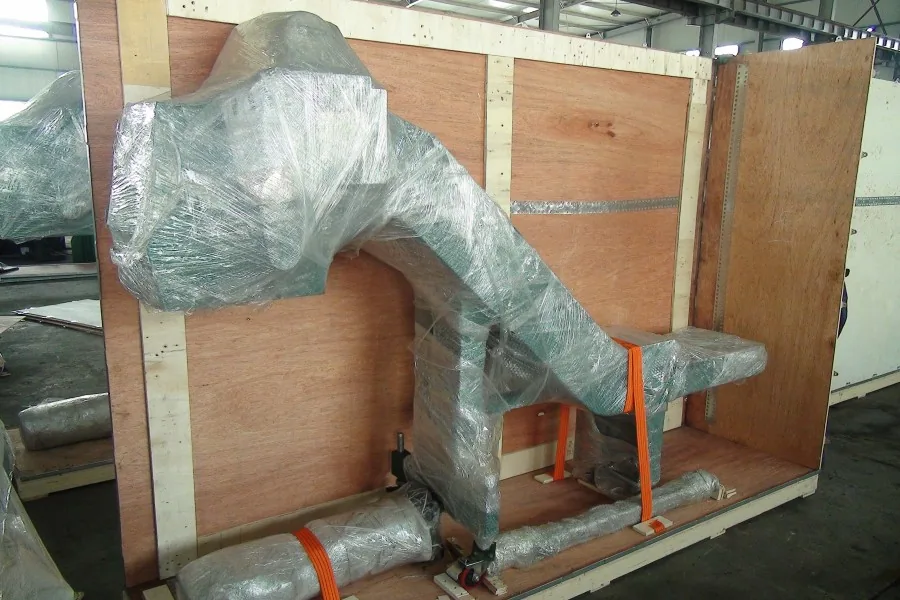
When preparing an RFQ, include order quantity, voltage, destination port, required documents, packaging expectations, and timeline. If OEM or ODM service is needed, share drawings, layout notes, branding requirements, and any approval process your team follows.
During quality review, ask how the supplier checks assembly accuracy, roller alignment, trial running, surface finish, and packing before shipment. Clear answers, technical questions from the supplier, and consistent documentation make comparison easier across multiple factory options.