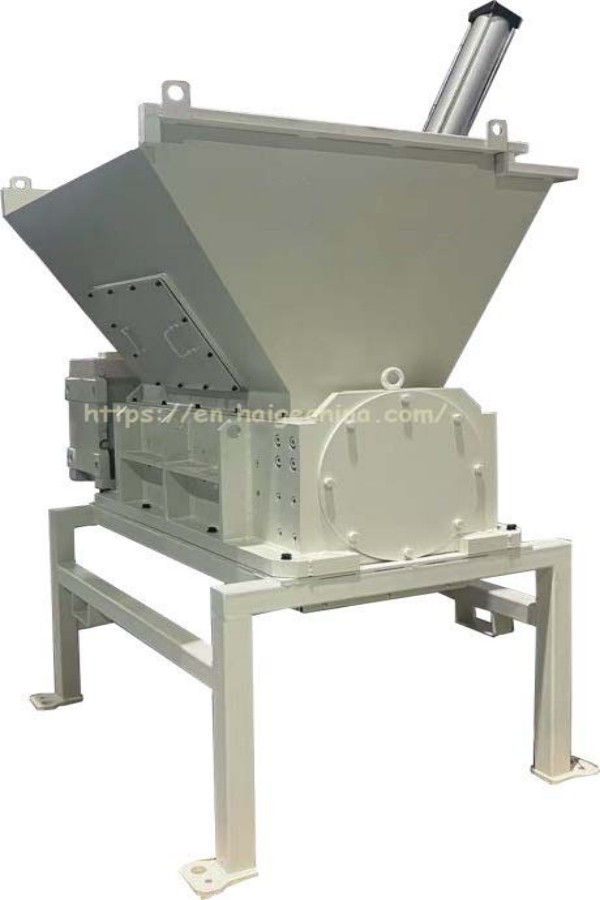
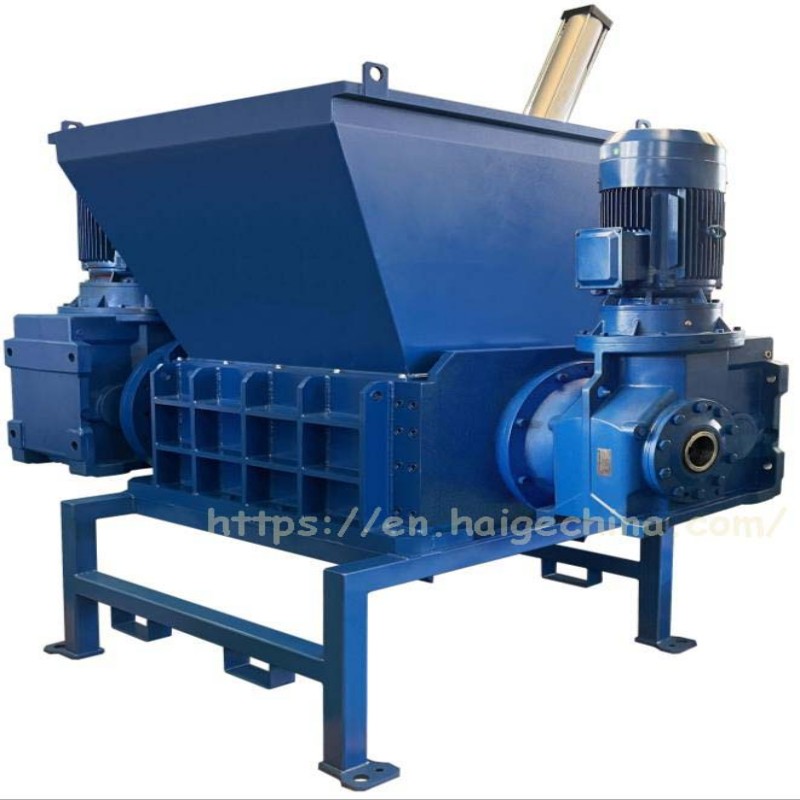
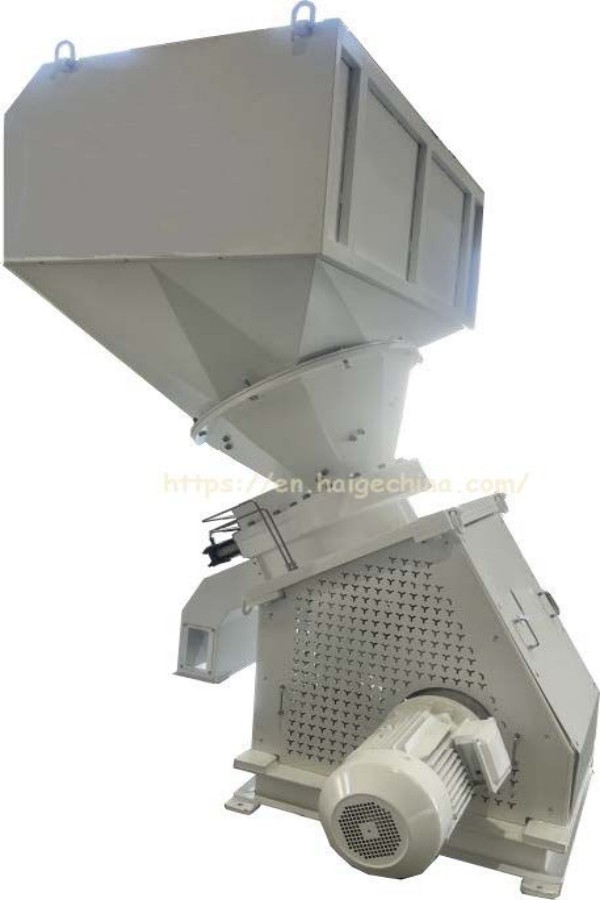
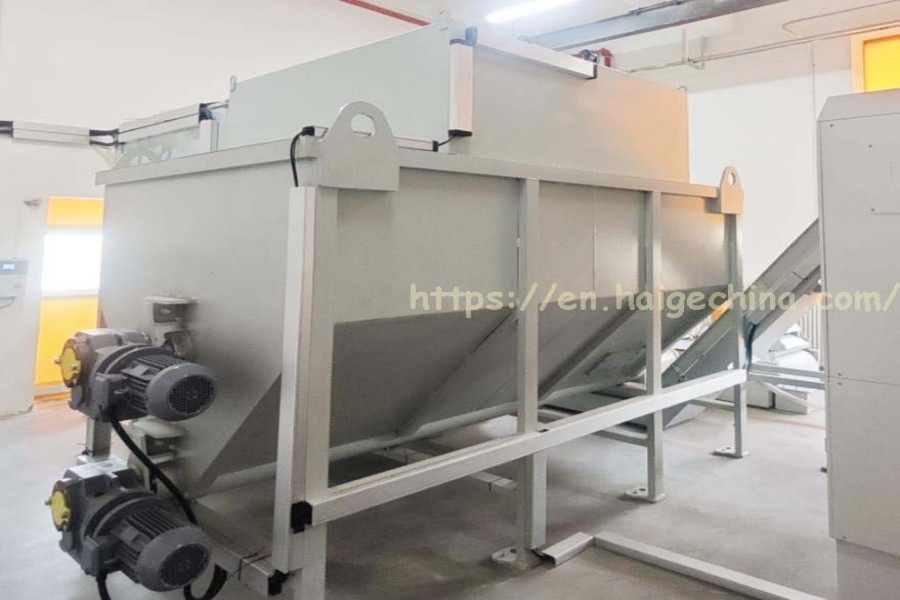
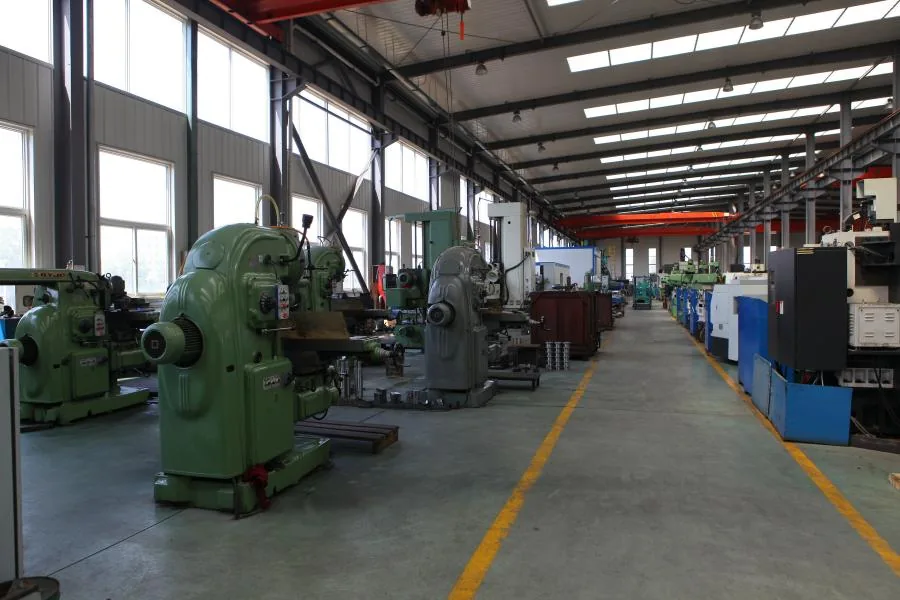
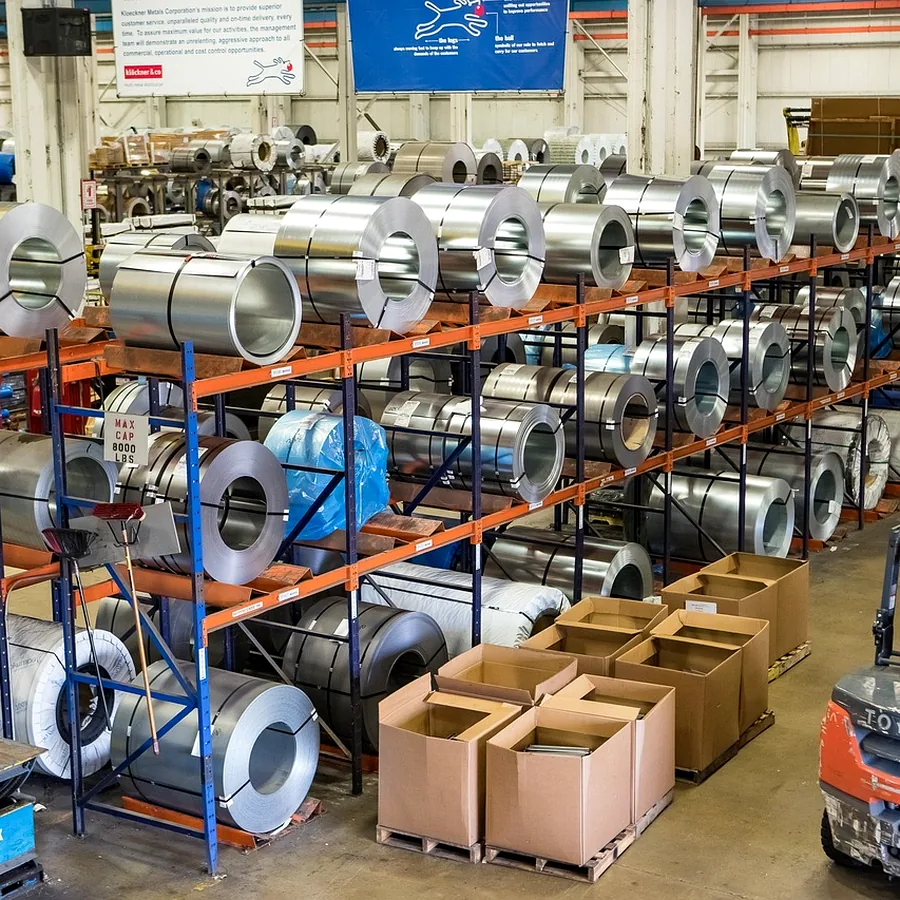
If you are sourcing abrasive grinding machines, start by matching the machine type, workpiece material, grinding purpose, and expected production use. Then confirm whether the supplier can support OEM or ODM details such as configuration, labeling, packaging, and documentation needs.
For a procurement manager, the best inquiry should include drawings or reference samples, target quantity, destination market, inspection expectations, and sample approval steps. This makes supplier replies easier to compare and helps avoid unclear quotations.
Begin with the application. Define the material to be processed, grinding accuracy needs, workpiece size, operating environment, and whether the machine is for workshop use, production line support, or a customized OEM project. Clear application notes help the supplier recommend suitable models instead of sending a broad catalog.
Next, review the customization scope. Ask which machine parameters, accessories, electrical requirements, branding elements, packaging formats, and documentation items can be adjusted. If sample confirmation is required, clarify the sample cost, lead time, test criteria, and approval process before moving to bulk discussion.
When preparing an RFQ, include quantity range, delivery destination, preferred trade terms, voltage or certification requirements, and any photos, drawings, or reference products. Ask the supplier to state what is standard, what is optional, and what requires engineering review.
Before selecting a supplier, compare technical responsiveness as well as price. Useful replies should address application fit, quality checks, export order needs, after-sales support scope, and how changes are confirmed during production.